Farm Fights Floods, But Vital Climate Aid Suddenly Vanishes

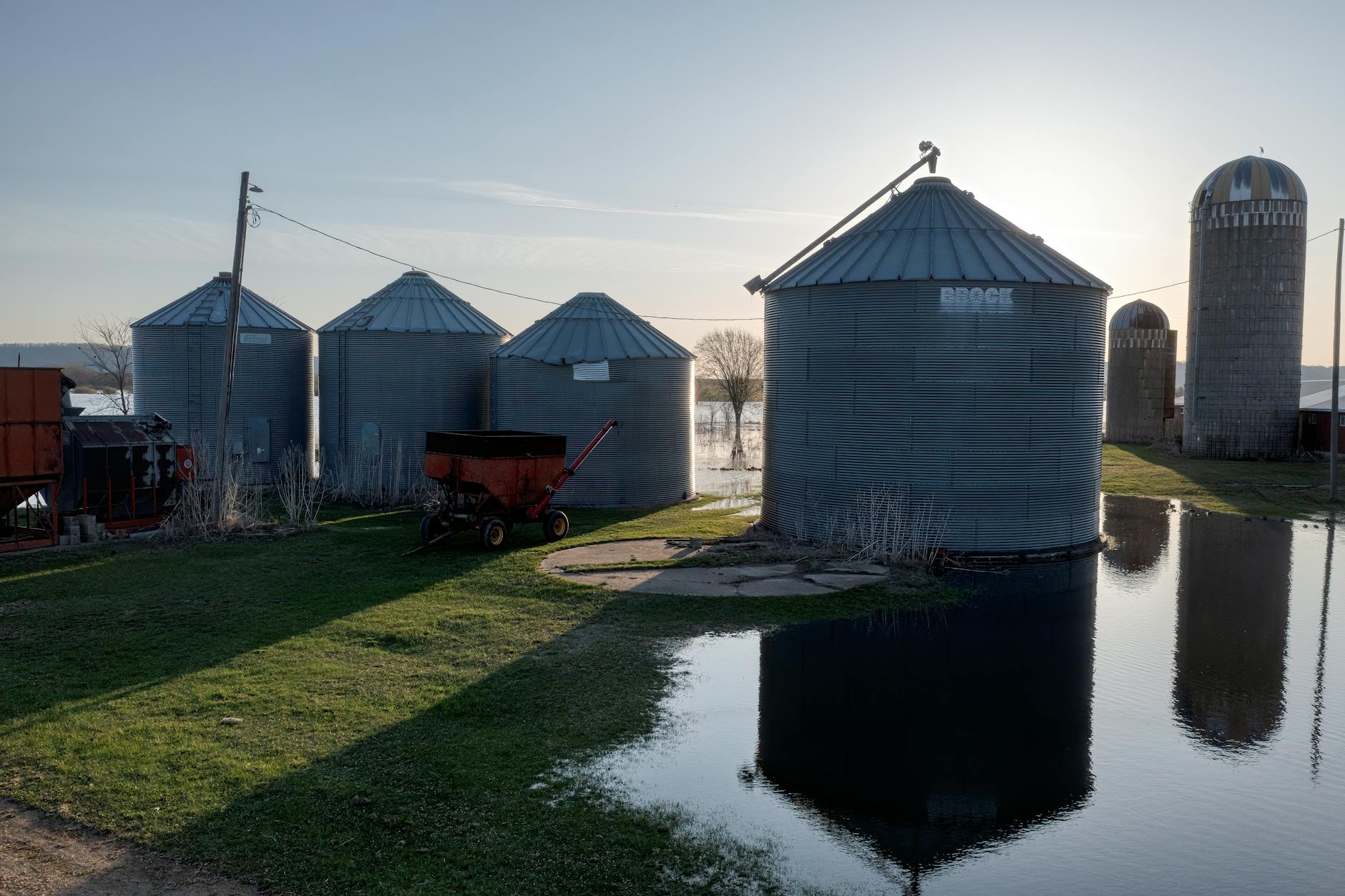
In northeastern Pennsylvania, farmer Liz Krug of Endless Roots Farm is on the front lines of climate change. Her 10-acre vegetable and egg farm faces increasingly common periods of extreme rain, leading to devastating floods and soil erosion. To adapt, Krug has implemented sustainable practices like mulching and planting cover crops, with plans for more permanent solutions. However, the financial burden of these essential environmental actions is steep for small farms. A promised federal program designed to support these very efforts was canceled, leaving farmers like Krug to shoulder the costs alone. This situation underscores the urgent need for consistent support in adapting to a warming climate.
Liz Krug vividly recalls the summer of 2018 when record-setting rains left thousands of dollars' worth of crops to rot at Endless Roots Farm. As the planet warms, such extreme weather events are becoming more frequent, posing an existential threat to small farms. Floods not only destroy harvests but also wash away precious topsoil, making future farming even harder, impacting both livelihoods and local food security.
To combat these challenges, Krug has embraced nature-based solutions. She applies mulch and plants cover crops, which significantly improve her soil's ability to absorb excess water. She also plans to plant blueberry bushes on a heavily sloped area to prevent erosion and create a new revenue stream. These sustainable steps are crucial for the farm's survival and for maintaining healthy land in the face of environmental shifts.
However, implementing these vital practices is expensive, and small farms operate on tight budgets. Krug was initially awarded funds from the USDA’s Climate-Smart Commodities Program to help offset these costs. This program represented a vital lifeline for farmers striving to adapt to environmental changes. Tragically, the program was canceled by a previous administration, and much of the promised money never reached farms like Endless Roots. This leaves farmers feeling isolated, fighting climate impacts on their own dime, which makes it incredibly difficult for their businesses to thrive in a changing world. Supporting farmers' climate adaptation efforts is not just good for their bottom line; it's essential for environmental resilience and our collective food security.