Farmed Salmon's Hidden Truth: Are You Missing Nutrients?

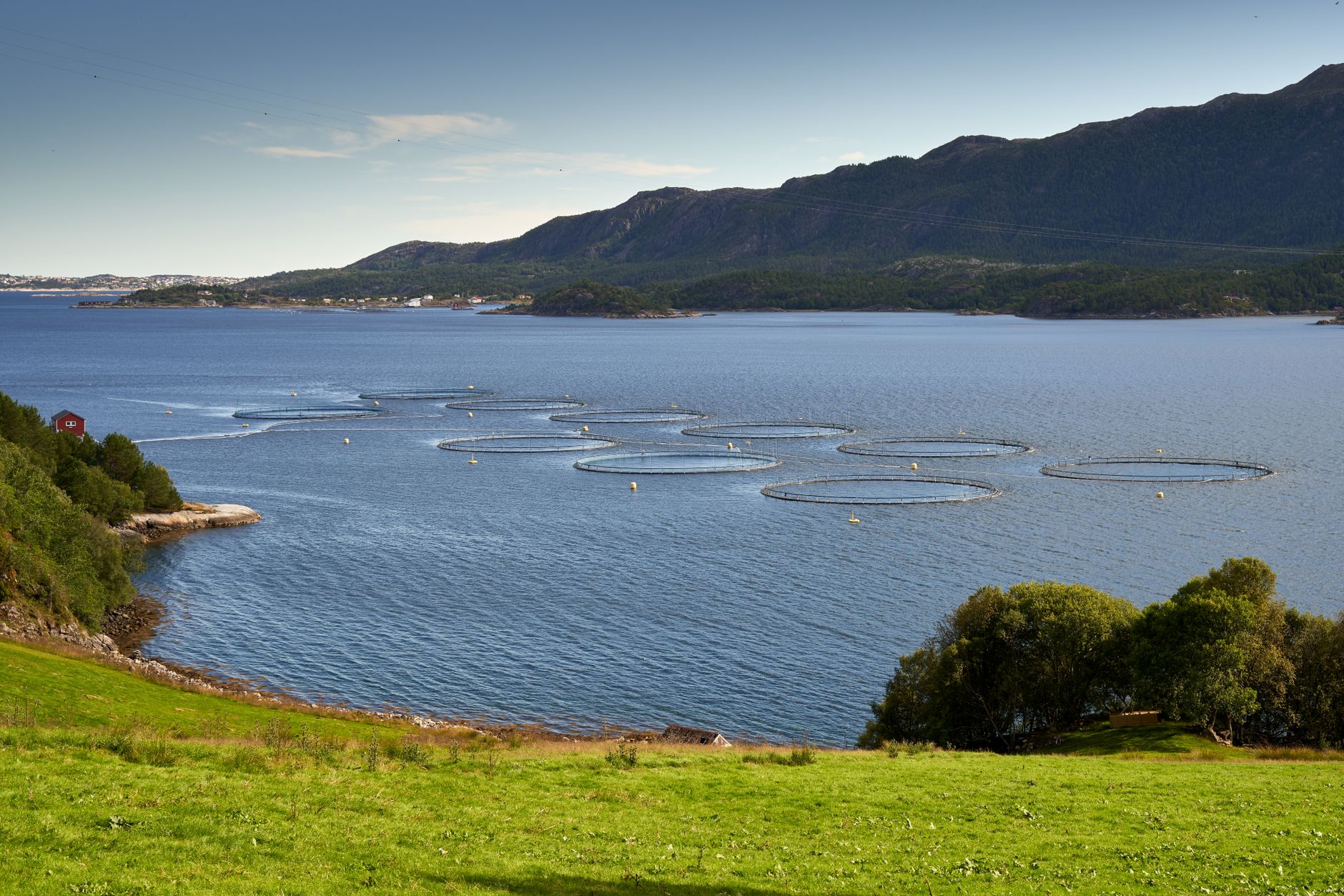
For years, we've been told to eat fatty fish like salmon for its heart-healthy Omega-3s. However, new research from USDA scientists suggests that farmed salmon, which makes up nearly 70 percent of global consumption, now contains significantly lower levels of these vital nutrients. This decline is linked to a major shift in the fish's diet, moving away from smaller marine fish toward land-based crops like soy. This change not only renders dietary advice potentially outdated but also carries serious environmental consequences, impacting marine ecosystems and driving deforestation. The situation highlights a critical need to reassess our food production systems for both health and planetary well-being.
The popular advice to eat more fatty fish, especially salmon, for its Omega-3 benefits has long been a cornerstone of healthy eating. But recent findings indicate that the farmed salmon filling our plates may not be delivering the nutritional punch we expect. Research led by USDA scientists shows that Omega-3 levels in farmed salmon have dropped, making current dietary guidelines, which often recommend species like salmon for these essential fats, potentially outdated. A 2016 study noted similar declines.
This decline stems from a significant change in what farmed salmon are fed. Traditionally, these carnivorous fish ate smaller wild fish. However, decades of over-exploitation have depleted these marine resources, forcing the aquaculture industry to switch to diets rich in land-based ingredients, such as soy and canola oils. This shift, while seemingly a solution, trades one problem for another, as noted by groups like the Aquaculture Accountability Project.
The environmental costs are substantial. Intensive fish farming already strains marine ecosystems with waste and excess feed, impacting wild salmon populations and local fishing communities. Now, the reliance on crops like soy brings a new set of challenges. A large portion of the world's soy is grown in places like South America, where rainforests and crucial ecosystems are being cleared at an alarming rate to create farmland. Other research has found that this shift to crop-based ingredients doubled the greenhouse gas emissions per kilogram of farmed fish in Europe and the United Kingdom from 2000 to 2020. Advocacy groups have determined that much of the soy fed to Norwegian farmed salmon comes from areas linked to illegal Amazon deforestation. Farmed salmon production tripled between 2000 and 2020, making aquaculture the fastest-growing food production system globally.
As the global demand for seafood continues to grow, and with it the aquaculture industry, the environmental footprint is expanding. The promise of feeding the world with protein through salmon farming is often debated, especially when considering the significant ecological burdens and the fact that much of this demand comes from wealthier nations. In the U.S., proposed legislation like the Marine Aquaculture Research for America (MARA) Act aims to expand offshore fish farming, a move critics, including environmental advocates and fishermen, warn could replicate the environmental issues of factory farming in our open oceans. Ensuring truly sustainable and healthy food sources demands careful consideration of both what we eat and how it's produced.