Farms & Solar: A Surprising Solution Emerges

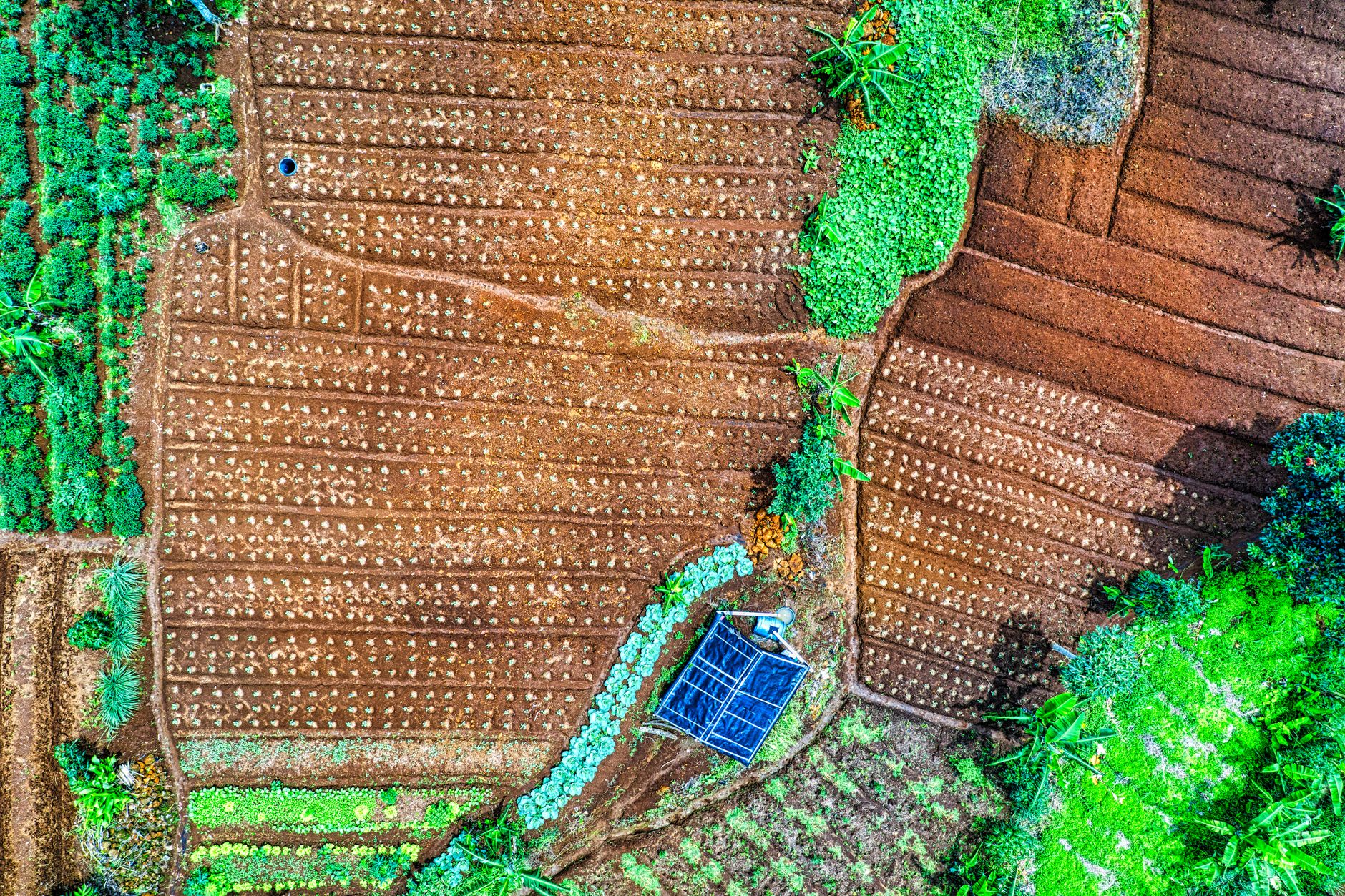
Agrovoltaics, sometimes called agrivoltaics, represents a smart way to use land by growing crops and generating solar power in the same space. This innovative approach helps address two big challenges at once: our need for clean energy and sustainable food production. By combining these, it reduces land competition and can even improve growing conditions for certain crops. This integrated system offers a promising path forward for tackling climate change and building more resilient communities.
Agrovoltaics is about more than just putting solar panels on a field; it’s about clever design that lets farms produce both food and electricity. Instead of taking up separate plots of land, solar panels are often elevated, creating shaded areas where crops can thrive, especially in warmer climates. This shared land use is crucial as we look for sustainable ways to power our lives without sacrificing valuable agricultural land needed to feed a growing population.
The benefits extend beyond simply saving space. Research suggests that the shade from solar panels can actually protect crops from intense heat, reduce water evaporation, and sometimes even boost yields. Meanwhile, the panels themselves often perform better when kept cooler by the plants underneath. This synergy is a powerful example of how we can innovate to fight climate change. Embracing such sustainable, electrified solutions is vital for building a cleaner, more secure future for everyone. It shows how thoughtful integration of technology can support both environmental health and human well-being.