Fashion's Hidden Climate Cost: Emissions Soar 14% [Report]

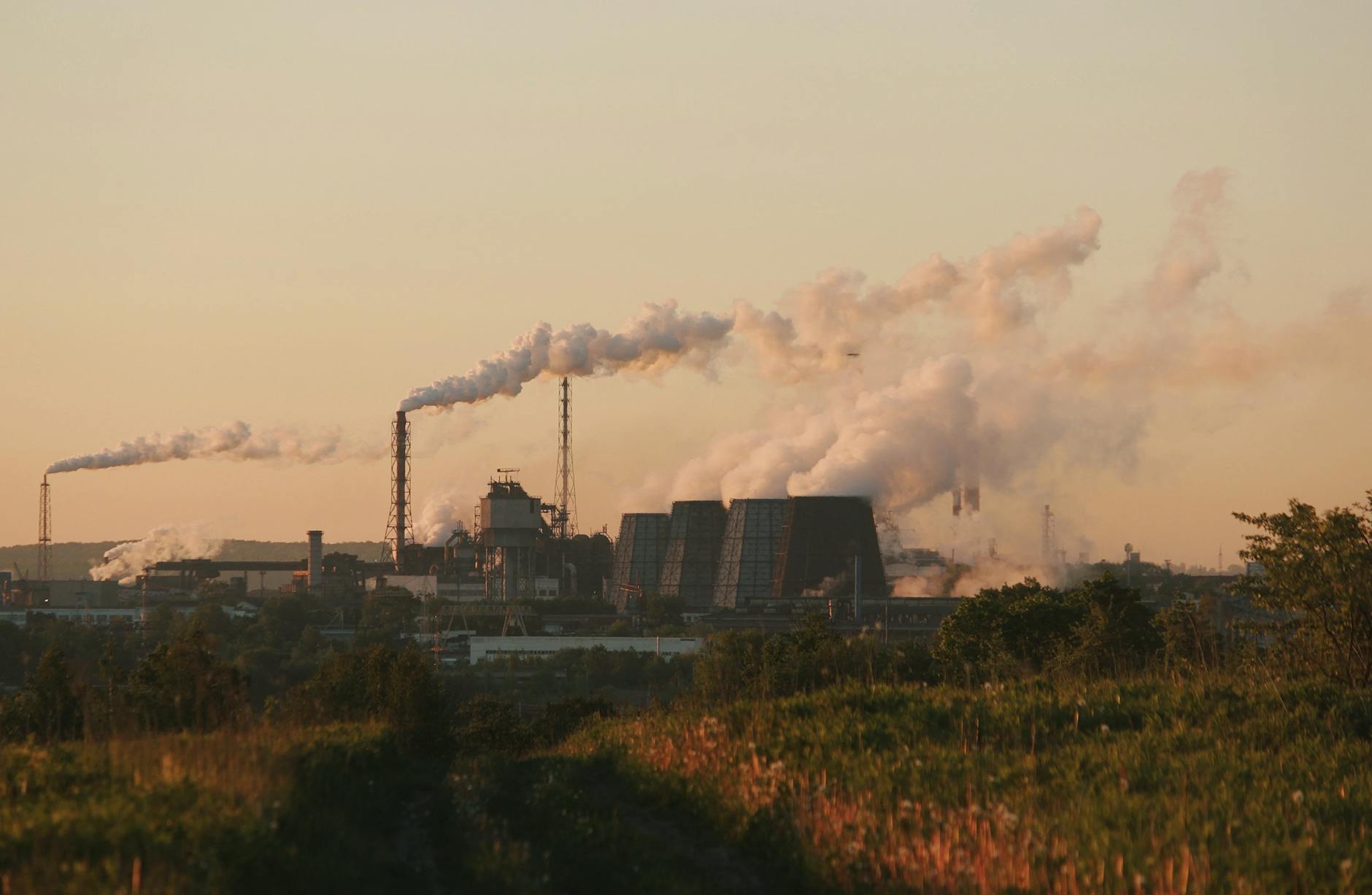
The fashion industry's environmental footprint is expanding at an alarming rate. New data reveals that greenhouse gas emissions from the sector surged by approximately 14% over just two years, reaching a staggering 1 gigaton annually – comparable to Japan's total climate pollution. This concerning trend, driven largely by increased material production, highlights a critical need for immediate and widespread sustainable changes. It underscores the urgent necessity to reduce our collective impact on the planet and embrace cleaner technologies.
According to a recent report by the Apparel Impact Institute, the fashion industry's greenhouse gas emissions climbed significantly in both 2023 and 2024. Following a slight decline the year prior, emissions jumped 7.5% in 2023 and an additional 6.3% in 2024. This cumulative increase pushes the industry's total emissions to roughly 1 gigaton, a figure that mirrors the entire climate footprint of a major industrial nation like Japan. This upward trend, driven largely by increased global production of materials, especially polyester, signals a worrying path for our planet.
A key driver behind this rise is the continued reliance on virgin polyester, which remains cheaper and more readily available than recycled alternatives. While making recycled materials also requires energy, industry experts emphasize the need for clothing producers to move away from fossil fuels. The recent volatility in energy prices, influenced by global events, further underscores the urgent need for brands to embrace renewable energy sources and innovative solutions like onsite battery storage. Beyond environmental responsibility, delaying action could impact profitability, with projections suggesting a potential 34% drop in sector profits by 2030 due to supply chain disruptions and higher operating costs.
Despite these challenges, there's also a glimmer of progress. A growing number of apparel companies, over 700 now, have committed to setting science-based climate targets, up from around 100 just a few years ago. Some major brands have also reported success in reducing their own emissions and increasing the use of recycled fibers. However, this progress is threatened as some businesses, facing economic pressures, have delayed or walked back their green commitments. This mixed picture highlights why collective and unwavering dedication to sustainable practices and clean energy solutions is crucial for protecting our environment and securing a healthier future.