Fashion's hidden cost: What's driving soaring textile emissions?

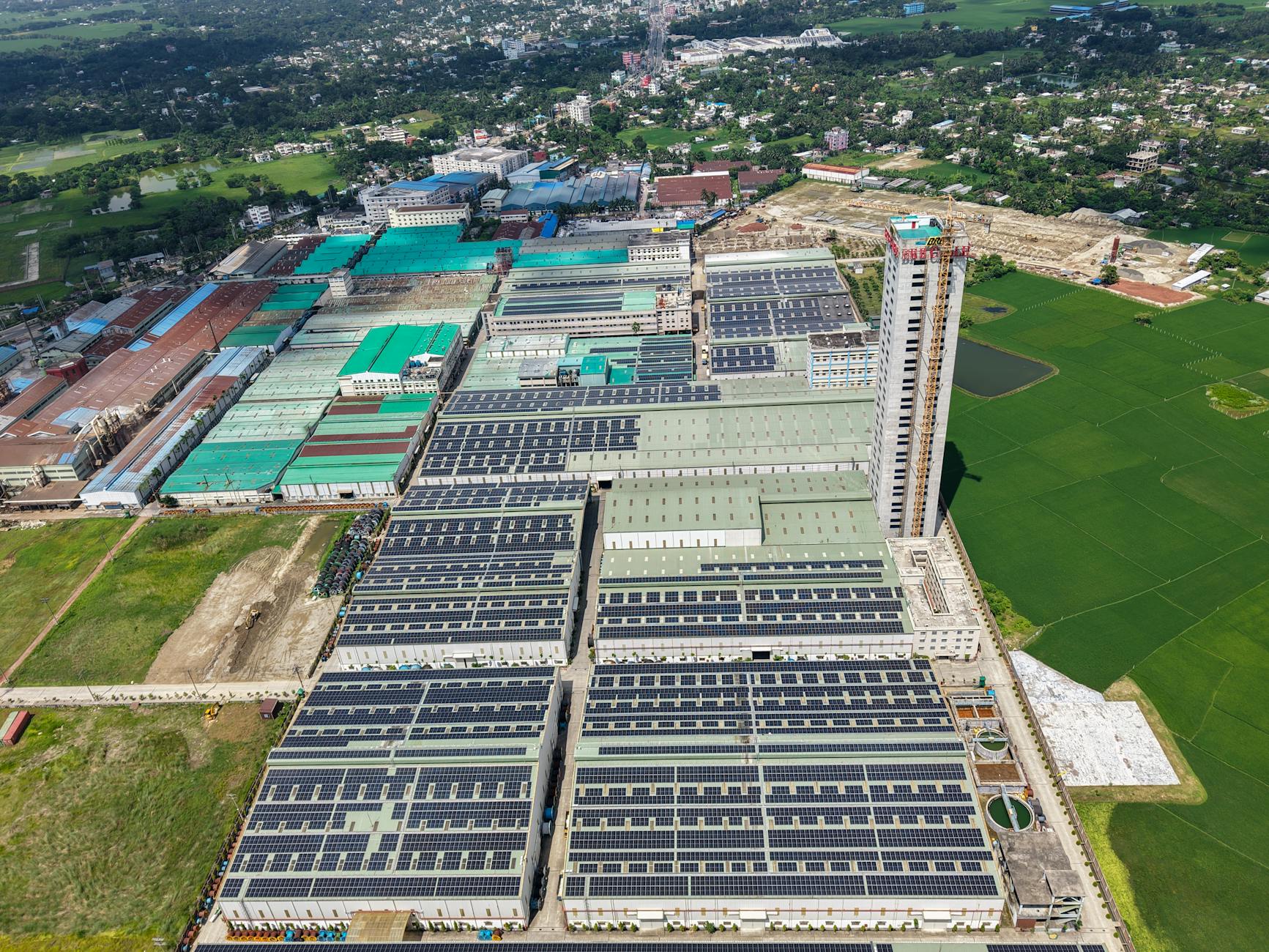
The global textile industry faces a pressing climate challenge as emissions continue to rise despite growing awareness. Our increasing demand for clothing, combined with reliance on materials like virgin polyester, led to a 7.5% jump in apparel emissions in 2023. This trend not only strains our planet's resources, including vast amounts of water, but also underscores the urgent need for widespread environmental action. New approaches, like carbon credits, are emerging to offer financial incentives for manufacturers to reduce their environmental impact and shift towards greener solutions.
The numbers are stark: global apparel emissions reached 944 million metric tons of CO₂e in 2023, marking a significant 7.5% increase from the previous year. This rise, the first recorded, is largely due to more clothing being made and a heavy reliance on new polyester. Overall, fiber production hit a record 132 million tonnes in 2024, continuing a growth trend that has added roughly 34 million tonnes since the Paris Agreement in 2015. This matters because even if individual factories become more efficient, overall emissions climb if we simply produce more.
Textile emissions don't come from just one place. They start with raw materials—like fossil fuels for polyester or water and fertilizers for cotton. Manufacturing processes, such as spinning, weaving, dyeing, and drying, use a lot of electricity and heat, often from coal and natural gas. Then there's transportation; moving goods around the globe, especially by air, adds considerably to the carbon footprint. Brands like Shein and Inditex have reported significant increases in their logistics emissions recently, showing that the entire supply chain needs a greener overhaul.
This is where carbon credits enter the picture, offering a new financial incentive. A textile carbon credit represents a verified reduction in greenhouse gas emissions. For instance, a factory could earn credits by switching to renewable electricity, improving energy efficiency, or using cleaner industrial heat. If these reductions are approved, the environmental benefit becomes a tradable asset, creating a direct economic reason to cut down on pollution per item produced. In August 2026, India's Bureau of Energy Efficiency opened a tender to gather emissions data for its textile sector under a carbon crediting system, showing this approach is moving closer to implementation.
Factories have several ways to reduce their footprint. A major opportunity lies in replacing fossil-fuel-based heating and power systems with electric alternatives powered by renewable energy. Simple energy efficiency upgrades to boilers, motors, and process controls can also make a big difference without needing a complete factory redesign. Carbon credit revenues could help fund these crucial investments, making cleaner choices more affordable. However, it's vital to remember that carbon credits should support direct emission cuts, not replace them.
The textile industry's climate challenge extends far beyond big brands. Thousands of smaller manufacturers in the supply chain often lack the funds to invest in greener technologies. Carbon finance, like Verra’s emerging Scope 3 Standard program, could help bridge this gap. This system could allow major brands to help finance emission reductions at their suppliers, creating a clear link between investment and climate benefits, while also improving the brand’s own environmental accounting.
Adding to the pressure, governments, especially in Europe, are tightening regulations on textile waste and overproduction. With EU households’ textile consumption generating an estimated 159 million tonnes of CO₂e annually, and significant textile waste generated per person, new policies are emerging. France, for example, has introduced environmental fees on fast-fashion companies. These regulations mean that producing textiles with a lower carbon footprint will become increasingly important for market access and competitiveness.
Ultimately, tackling textile emissions requires more than just carbon credits; it needs a fundamental shift in production. While the industry is still off track to meet its 2030 emission reduction targets, as Textile Exchange reported, carbon finance can play a crucial role. It can direct much-needed capital towards factories and supply chains that can deliver measurable, lasting emission reductions. For manufacturers, carbon is becoming both a cost and, with the right market structure, a potential source of funding for a sustainable transition, offering a competitive edge to those who embrace cleaner practices.