Fashion's Hidden Strain: What's Slowing Production?

Across Asia, garment factories supplying top fashion brands are battling a hidden crisis: extreme heat. Soaring temperatures, intensified by global warming, are causing significant productivity losses, increased worker absences, and widespread heat-related illnesses among millions of employees, primarily women. These brutal conditions highlight the urgent need for climate action and sustainable solutions in the industry. While many factories struggle, some, like Epic Group in India, are pioneering innovative cooling designs and electrification to protect workers and maintain production, showcasing a path forward for a more resilient and humane fashion supply chain.
The world's garment factories, particularly in regions like India, are increasingly struggling with extreme heat. Inside these bustling facilities, hundreds of workers, often women, labor amidst whirring machines and hot steam, while outside, temperatures can be punishing. This intense heat isn't just uncomfortable; it's causing serious problems, including significant drops in productivity—up to 10% during peak summer—and widespread heat-related illnesses among employees. The issue is exacerbated by outdated factory designs, which often prioritize machinery over human comfort, and the undeniable impact of a warming planet.
Recognizing this urgent crisis, some manufacturers are finding innovative ways to adapt. A notable example is Epic Group’s new Trimetro campus in eastern India. Unlike traditional factories, this facility was specifically designed to keep the heat out. Imagine stepping from a sweltering tropical afternoon into a cool, comfortable workspace, where thick insulated walls, specialized roofs, and chilled air curtains create an oasis for workers.
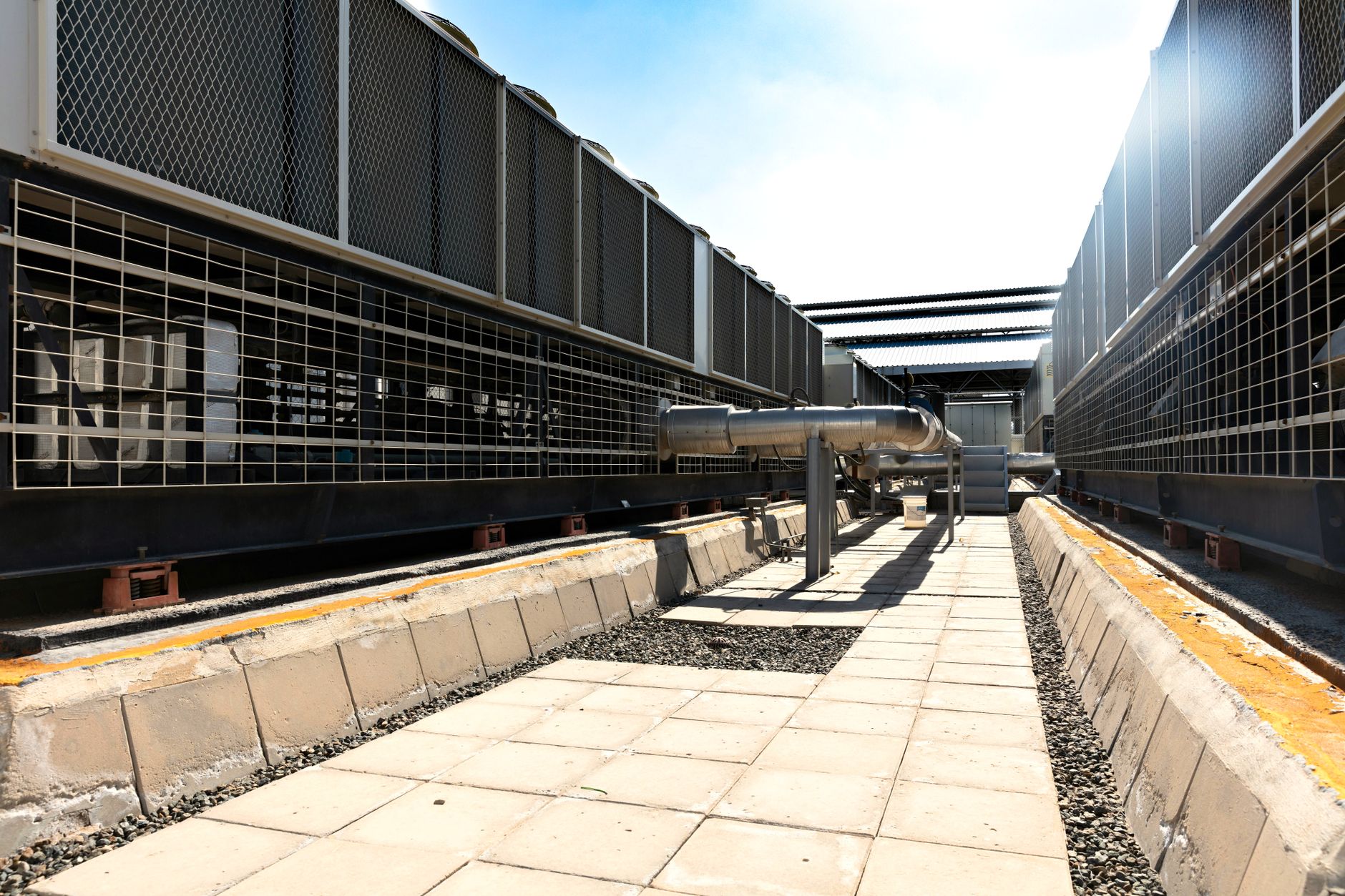
Inside Trimetro, cutting-edge solutions like oversized air conditioning pipes and powerful fans circulate cool air, maintaining a comfortable 82 degrees Fahrenheit. But it's not just about comfort; it's also about sustainability. The factory uses highly efficient industrial heat pumps instead of older, dirtier biomass boilers. These modern pumps not only dry garments but also produce chilled water that helps cool the factory. This innovative approach, partly supported by green financing, demonstrates how electrification and smart design can protect workers, boost efficiency, and dramatically reduce the environmental footprint compared to traditional methods.
This pioneering design highlights a critical path forward for the entire $1.7-trillion global fashion industry. While building new, climate-resilient factories offers the most flexibility, adapting older facilities remains a huge challenge. Experts emphasize that global brands must partner with manufacturers and share the costs of these crucial upgrades, recognizing that consumers may also see higher prices. Ultimately, tackling extreme heat in the supply chain is a clear call to action for the fashion world to embrace sustainable solutions and collective climate action, ensuring that human dignity and a healthy planet are at the forefront of every stitch.