Federal Cuts Leave Vulnerable Communities Exposed [Climate]

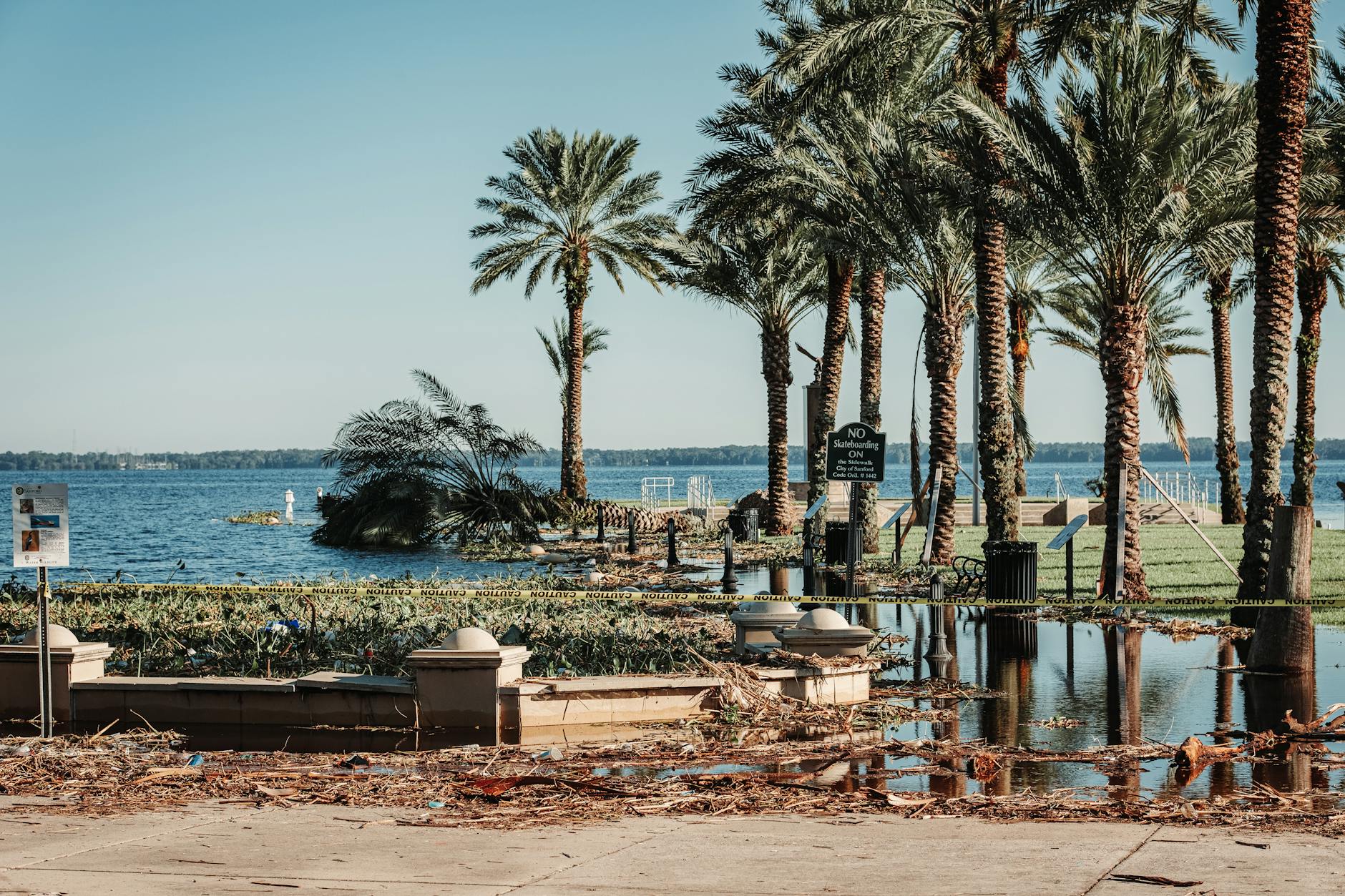
The Trump administration has significantly reduced environmental programs and support for disadvantaged communities, leaving them more exposed to the impacts of climate change like rising temperatures and extreme storms. In Florida, organizations like the CLEO Institute are struggling to fill critical funding gaps after losing millions in grants meant for climate literacy and resilience. These cuts worsen existing inequalities, forcing vulnerable families to make difficult choices between basic necessities and coping with climate-related costs. This situation highlights a growing crisis where climate impacts, energy costs, and affordability converge, underscoring the urgency of climate action.
President Donald Trump's administration has drastically cut environmental programs and initiatives designed to help vulnerable communities, especially those made up of people of color. These are the very groups with the fewest resources to prepare for and recover from intensifying climate impacts, such as extreme heat and more damaging storms. This situation, described as a "gut punch" by Yoca Arditi-Rocha, CEO of the CLEO Institute, a Florida-based nonprofit, in an interview with Inside Climate News, removes vital safety nets when they are needed most.
Programs that improved housing, encouraged clean energy, boosted energy efficiency, and protected health were slashed. These actions directly undermine efforts to build community resilience and leave people "in the deep end of the pool without a life jacket." While the immediate brunt falls on underserved communities, the consequences of these policy changes are far-reaching, making energy a pressing cost-of-living issue alongside food and healthcare for many Americans, particularly in hot climates like Florida.
A stark example of these cuts is the loss of a $3 million Environmental Protection Agency Community Change Grant. This funding, intended for Palm Beach County in South Florida, would have provided crucial climate literacy and resilience training. Such programs help residents understand why temperatures are rising and extreme weather events are becoming more common, empowering them to better prepare and protect their lives. Losing these funds means communities miss out on essential knowledge about pollution sources, how they affect our planet, and practical steps to stay safer.
At its core, environmental justice is about whose lives and health matter most when protections are removed and pollution is effectively encouraged. In Florida, Black, brown, and Latino communities, already facing social, economic, and racial injustices, are disproportionately hit by rising energy bills, escalating insurance costs, and the increasing frequency of extreme weather. These federal policy shifts have virtually "eradicated" the environmental justice agenda, creating a perfect storm for those least responsible for climate change but feeling its impacts most severely.
This struggle underscores a critical shift: climate impacts, energy affordability, and utility accountability are no longer niche topics but central to national conversations. As power bills continue to climb, voters are increasingly connecting the dots between policy decisions and their daily lives. It's a clear reminder that investing in clean energy and climate resilience isn't just an environmental choice; it's an economic imperative that builds stronger, safer communities for everyone.