FedEx's Green Flight Path: What Powers Their Ambitious Climate Goal?

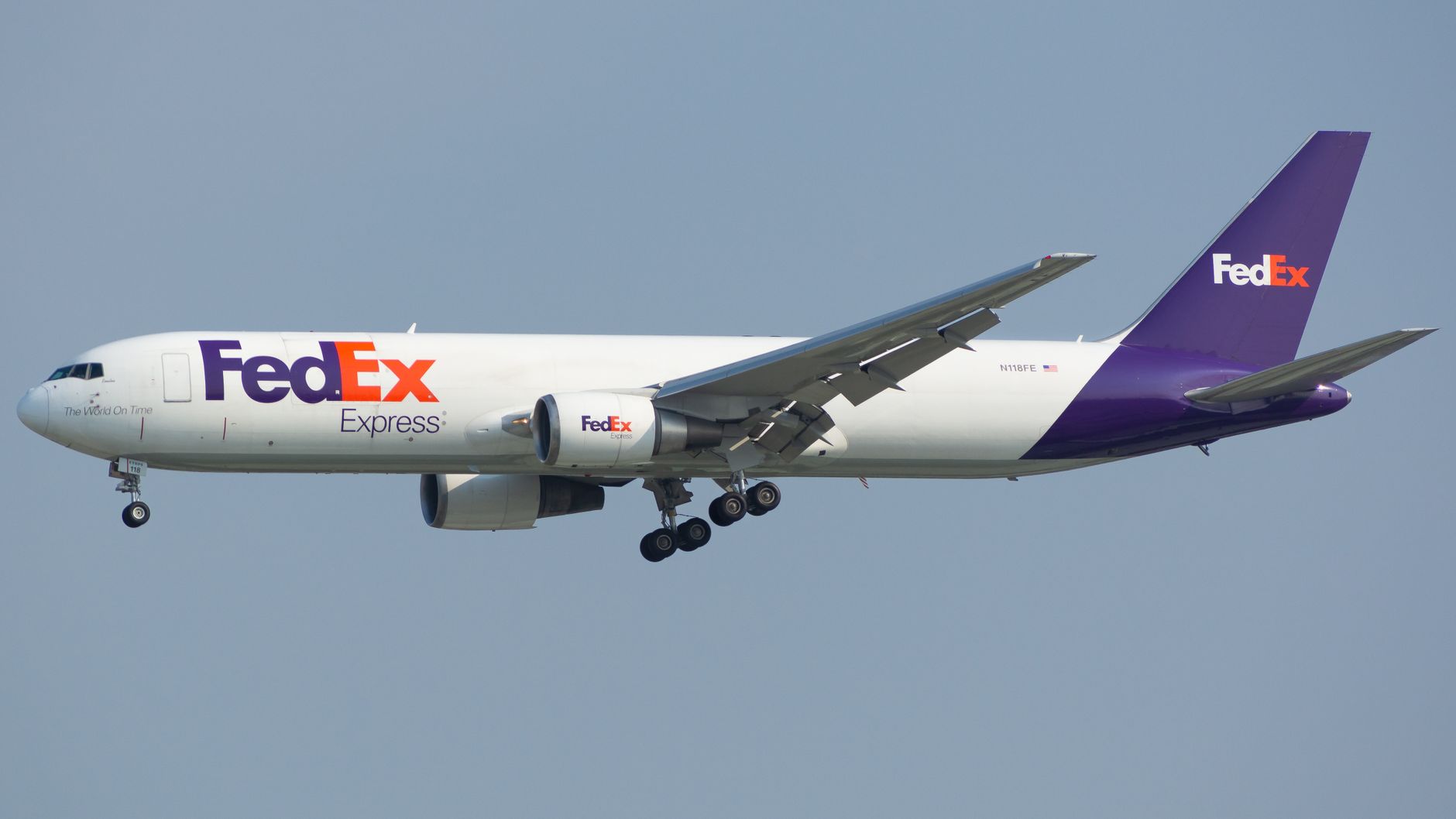
FedEx is making a significant move towards a more sustainable future by securing over 20 million gallons of sustainable aviation fuel (SAF) for its U.S. air network through 2027. This expansion at five major airports is a crucial step in the company's ambitious goal to achieve carbon-neutral operations by 2040. As aviation is the largest source of its direct emissions, embracing cleaner fuels like SAF, alongside modernizing its fleet, is vital in the urgent fight against climate change and for protecting our planet.
FedEx recently announced a major commitment to sustainable aviation fuel (SAF), securing over 20 million gallons for use across five key U.S. airports by 2027. This move is a critical part of the company's plan to achieve carbon-neutral operations by 2040. Since air travel is the biggest source of FedEx’s direct carbon footprint, transitioning to cleaner fuel is essential for a healthier planet.
This new commitment significantly boosts the amount of sustainable fuel entering their system. As Karen Blanks Ellis, FedEx’s chief sustainability officer, explained, SAF is "one of the most impactful decarbonization solutions available to aviation today." Boosting its use not only cuts FedEx’s emissions but also encourages the wider production of these vital green fuels, helping the entire industry move forward in the face of global warming.
While the global demand for SAF is growing, the supply still needs to catch up. U.S. production has increased dramatically, reaching 30 million gallons in the first nine months of 2024, up from just 5 million gallons in 2021, according to DOE data. The U.S. government aims for 3 billion gallons annually by 2030, which would cover about 10% of the nation's projected jet fuel needs. This shows a clear path toward reducing the environmental impact of air travel, but the urgency of climate action means every step counts.
Beyond sustainable fuels, FedEx is also modernizing its aircraft fleet, replacing older, less efficient planes with newer models. These changes not only reduce fuel consumption, preventing approximately 1.15 million metric tons of carbon emissions in fiscal year 2025, but also save substantial operating costs, according to FedEx’s 2026 Corporate Responsibility Report. By combining cleaner fuels with more efficient operations, FedEx is demonstrating how comprehensive strategies are vital to addressing climate change and building a sustainable future.