FEMA Workforce Slashed: Are You Ready for Disaster Response?

A new report from the U.S. Government Accountability Office (GAO) warns that a major downsizing of the Federal Emergency Management Agency (FEMA) is putting disaster response at risk. Over 4,300 employees left the agency recently, severely impacting its ability to help communities. This comes at a critical time when climate change is making natural disasters more frequent and intense, demanding a stronger, not weaker, federal response. The report emphasizes that without proper planning, FEMA cannot effectively protect lives and property, leaving many vulnerable as global warming accelerates.
FEMA has lost over 4,300 employees, about 17 percent of its workforce, following a widespread downsizing and hiring freeze. According to a recent GAO report, these reductions were made without any analysis of the agency's needs, leading to a significant loss of experienced personnel and institutional knowledge. Crucially, FEMA also rescinded its strategic plan, leaving it without a clear direction for managing its workforce.
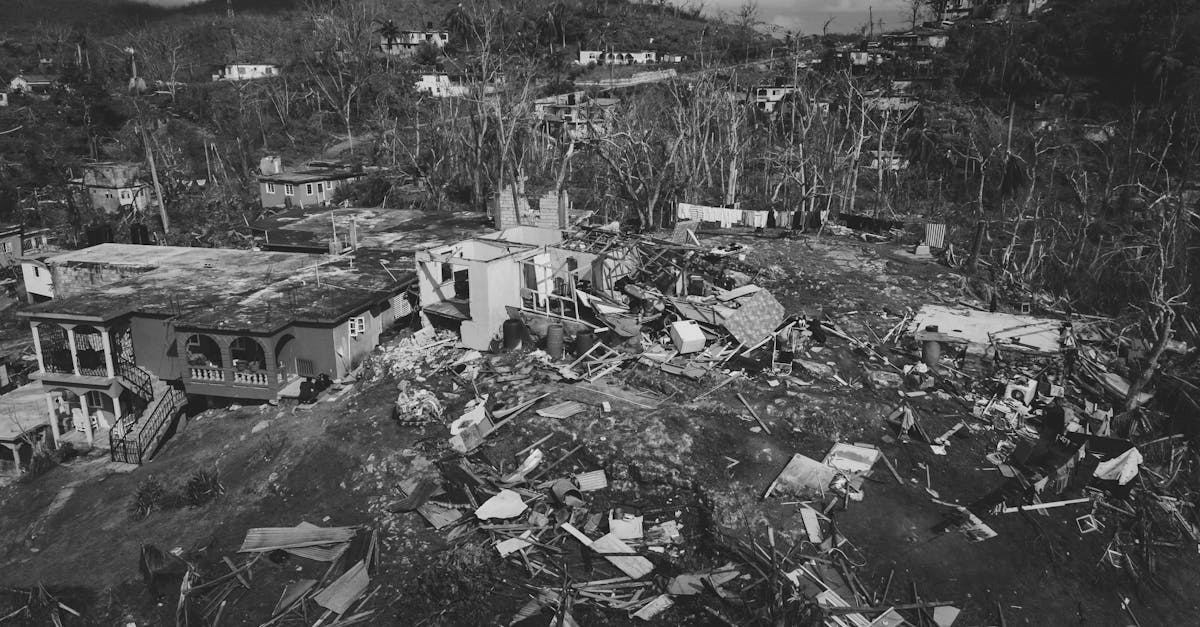
This weakening of FEMA comes as global warming intensifies, causing more frequent and severe natural disasters across the country. For example, the historic 2024 hurricane season saw Hurricanes Helene and Milton hit the Southeast within two weeks, requiring the largest deployment in FEMA’s history. Experts warn that a reduced and inexperienced FEMA workforce is simply not equipped to handle the growing scale of these climate-driven events, putting countless communities in harm's way.
Further complicating matters, the current administration has advocated for states to take on more disaster response roles, and FEMA has been without a Senate-confirmed administrator for an extended period. A task force report, also released recently, suggested major changes to FEMA, including streamlining assistance, though critics argue these recommendations could lead to further staff reductions and an unfunded mandate for states.
The real-world consequences are already visible. In July 2025, flash floods in the Texas Hill Country killed many, but a FEMA survivor hotline saw critical funding lapse and was inaccessible for five days due to delayed approvals. This direct failure to provide timely assistance highlights how administrative hurdles and a hollowed-out agency can have devastating impacts on people desperately needing help.
While some argue that states like Florida are better equipped to handle disasters, even well-funded states rely heavily on federal support during major events. For states with smaller budgets and fewer resources, shifting federal responsibilities without adequate funding would be an impossible burden, leaving rural areas and less-resourced communities furthest behind. It’s a dangerous gamble to assume every state can match Florida’s capacity, especially when that capacity was built with federal aid in the first place.
Even a quieter hurricane season, as predicted by the federal outlook and Colorado State University's forecast for this year, offers no margin for error. As the National Weather Service director put it, “It only takes one storm to make for a very bad season.” The impacts of a single major disaster can take years to recover from, and without a robust FEMA, survivors will struggle to get the resources they need. Ensuring a strong, well-staffed FEMA is critical for our collective resilience against the increasing threats of climate change.