Fifty-year radiation safety principle faces repeal: What changes?

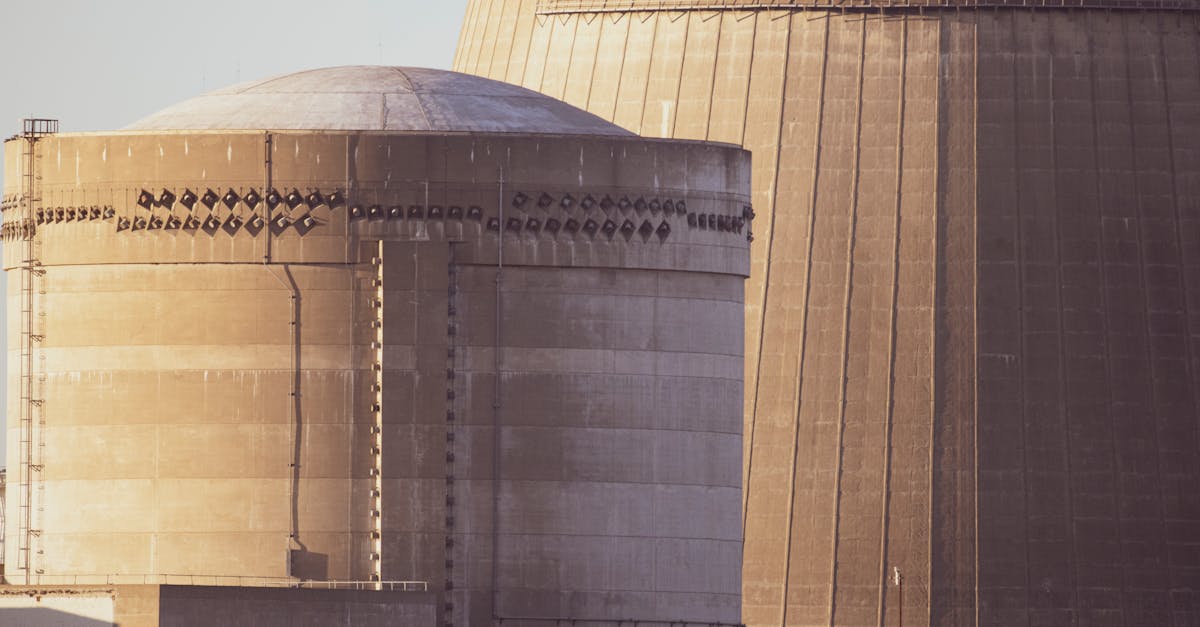
The Nuclear Regulatory Commission (NRC) is considering dropping a foundational radiation safety principle, "as low as reasonably achievable" (ALARA), which has guided U.S. and global practices for 50 years. ALARA ensures that radiation exposures are minimized, even below legal limits, to reduce health risks like cancer. This proposed change comes as President Trump aims to significantly boost domestic nuclear energy production to meet growing electricity demand from data centers and AI. Critics worry the shift could lead to higher, though still permissible, radiation doses, raising important questions about public and worker safety in the clean energy transition.
The NRC proposes replacing the ALARA principle with a "graded approach." While maximum radiation dose limits will remain, the new system would require different safety measures depending on the potential radiation exposure level. The commission argues this change removes ambiguity and clarifies requirements, especially for new, smaller reactor designs, without lowering overall safety standards. This move aligns with President Trump's executive order to reform the NRC and accelerate nuclear reactor development, instructed to "adopt science-based radiation limits" here, driven by the increasing need for reliable, carbon-free electricity.
However, some experts are concerned. Edwin Lyman of the Union of Concerned Scientists suggests the proposal could subtly increase permissible radiation doses in certain situations. For example, the NRC is considering raising radionuclide emissions standards for the public from 10 millirem to 25 millirem per year, based on a hypothetical scenario, as detailed in this 180-page document. While the NRC asserts actual doses would remain lower, critics argue that weakening ALARA could remove an essential layer of protection, especially given that radiation exposure increases a person’s chance of getting cancer.
Proponents, including the nuclear industry, believe that existing standards and operational incentives will continue to keep doses low, as it's more costly to work in higher radiation environments. They also suggest ALARA created a "moving target" for regulation. Yet, others, like Professor Kathryn Higley, emphasize the need to maintain low occupational doses for workers, noting that current U.S. limits, which the NRC previously found were not justified to match international standards, are higher than international recommendations, a gap that could widen if ALARA is abandoned. Ensuring robust radiation safety is vital for protecting both people and the environment as we expand clean energy sources like nuclear power to combat climate change.