First U.S.-Made EV Rolls Out: What This Means for Clean Cars

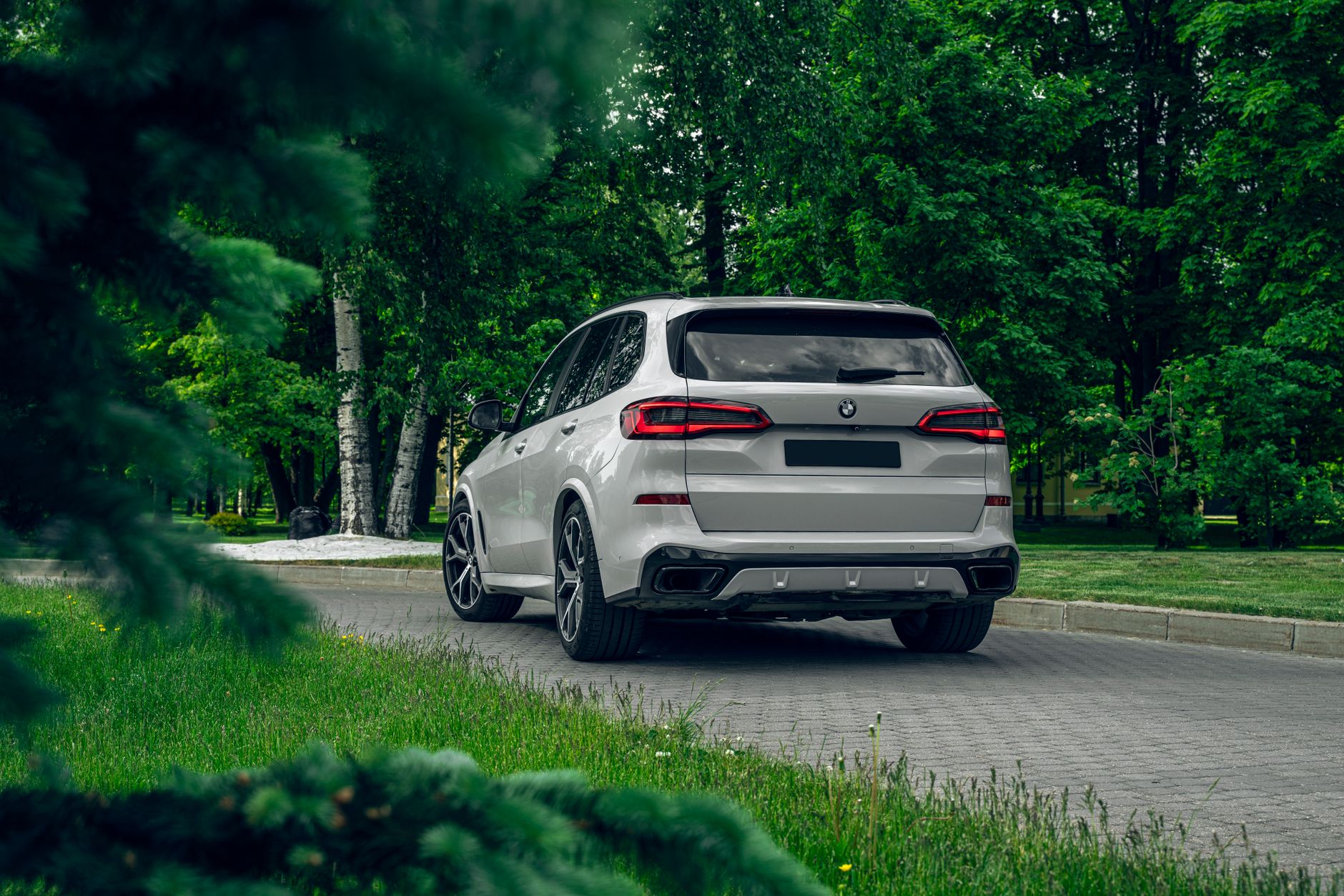
A significant milestone has been reached as BMW begins producing its first mass-market electric vehicle, the iX5 SUV, at its Spartanburg, South Carolina plant. This move marks a crucial step in the automaker's commitment to electrification and a cleaner future for transportation. With plans to introduce at least six U.S.-built EVs by the decade's end, BMW is accelerating the shift toward sustainable mobility, offering consumers more environmentally friendly choices and bolstering American manufacturing.
The production of the iX5 electric SUV in Spartanburg signals a major commitment from BMW to expand its electric vehicle lineup on American soil. This facility, already a hub for various X5 models, now efficiently integrates electric vehicle assembly alongside traditional gas, diesel, and hybrid versions on the same production line. This adaptability is key as consumer demand for electric cars continues to grow.
While initial production targets for the iX5 have been adjusted, the ambition remains clear: a significant portion of future X5 sales are expected to be electric. This transition is not just about new models; it's about investing in the entire supply chain. Batteries for the iX5 are sourced from a new plant just 15 miles away, highlighting a move towards localized, sustainable manufacturing. This commitment to local sourcing and production strengthens the domestic EV ecosystem and reduces the environmental footprint associated with long-distance logistics.
Electrification offers tangible benefits, contributing to cleaner air by eliminating tailpipe emissions and reducing reliance on fossil fuels. As more electric vehicles like the iX5 become available, the collective impact on mitigating climate change grows. The iX5 itself boasts impressive capabilities, including a substantial range of 450 miles and quick charging times, demonstrating that electric solutions can outperform their fossil-fuel counterparts in both performance and environmental responsibility.
Looking ahead, BMW's plans to introduce several more U.S.-built EVs, including future iX7 and iX6 models, underscore a broader industry trend towards sustainable transportation. This sustained effort by major automakers plays a vital role in accelerating global warming action and creating a more environmentally conscious world for everyone.