Flights Grounded by Rising Heat? The Surprising Physics.

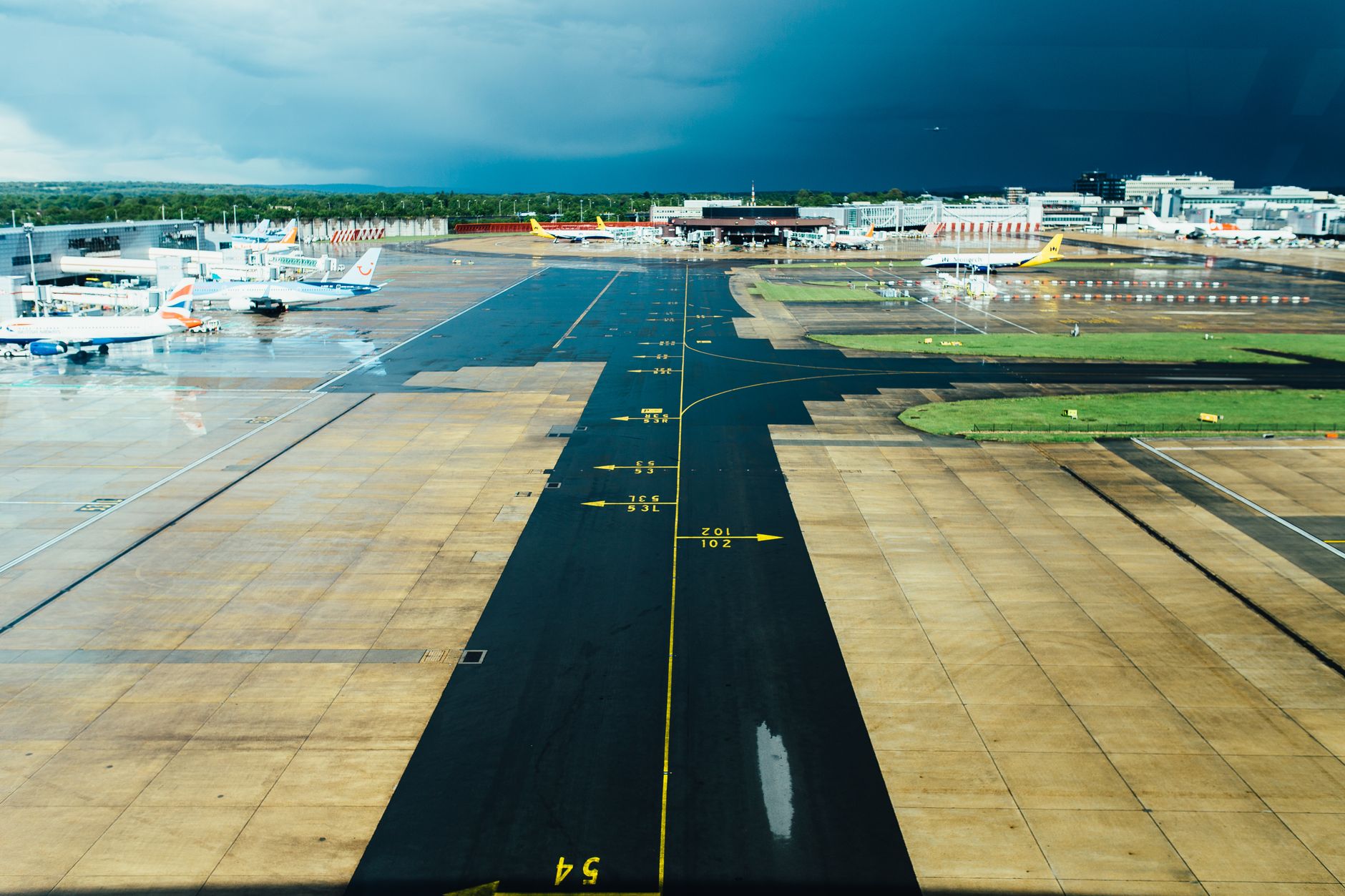
As global temperatures rise, a surprising impact is emerging on air travel: more frequent flight delays. Extreme heat thins the air, making it harder for airplanes to take off safely, often requiring passengers or cargo to be removed. What was once a challenge for desert airports is now becoming a broader issue, disrupting travel plans across more regions. Experts warn that human-caused climate change is making these disruptions more common, underscoring the urgent need for action to protect our climate and ensure smooth travel in the future.
When temperatures soar, the air becomes less dense, a basic principle of physics that profoundly affects aviation. Thinner air makes it much harder for an airplane's wings to generate the lift and its engines to produce the thrust needed for a safe takeoff. This means that on very hot days, airlines may have to lighten the plane's load by carrying less fuel, removing cargo, or even asking passengers to volunteer for a later flight to ensure safety.
This issue isn't new for airports in extremely hot places like the U.S. Southwest. However, with global warming, even less extreme heat can cause problems, especially at airports with higher elevations or shorter runways, like those in Denver or New York's LaGuardia. Airlines meticulously calculate these factors before every flight, and if the numbers don't add up, safety always comes first. This isn't just theory; in July 2018, airlines asked passengers to deplane in Denver when temperatures hit 98°F, as KDVR-TV in Denver reported.
Disturbingly, this problem is becoming more widespread due to human-caused climate change. Studies project that by mid-century, a significant portion of flights during peak heat hours at some airports could face weight restrictions if greenhouse gas emissions continue unchecked. For instance, areas like Phoenix and Las Vegas are already seeing a dramatic increase in days exceeding 110 degrees Fahrenheit, more than tripling the averages from past decades. This escalating trend highlights how urgently we need to tackle climate change.
Moreover, airports themselves can intensify the heat problem. Large expanses of heat-absorbing pavement, minimal green spaces, and constant activity contribute to what's known as the urban heat island effect, making them some of the hottest spots in any city. These combined factors mean that addressing global warming is not just about protecting ecosystems, but also about keeping our travel plans on track and ensuring a stable future for all.