Floating Wind Turbines Are Here, But What's Their Next Big Test?

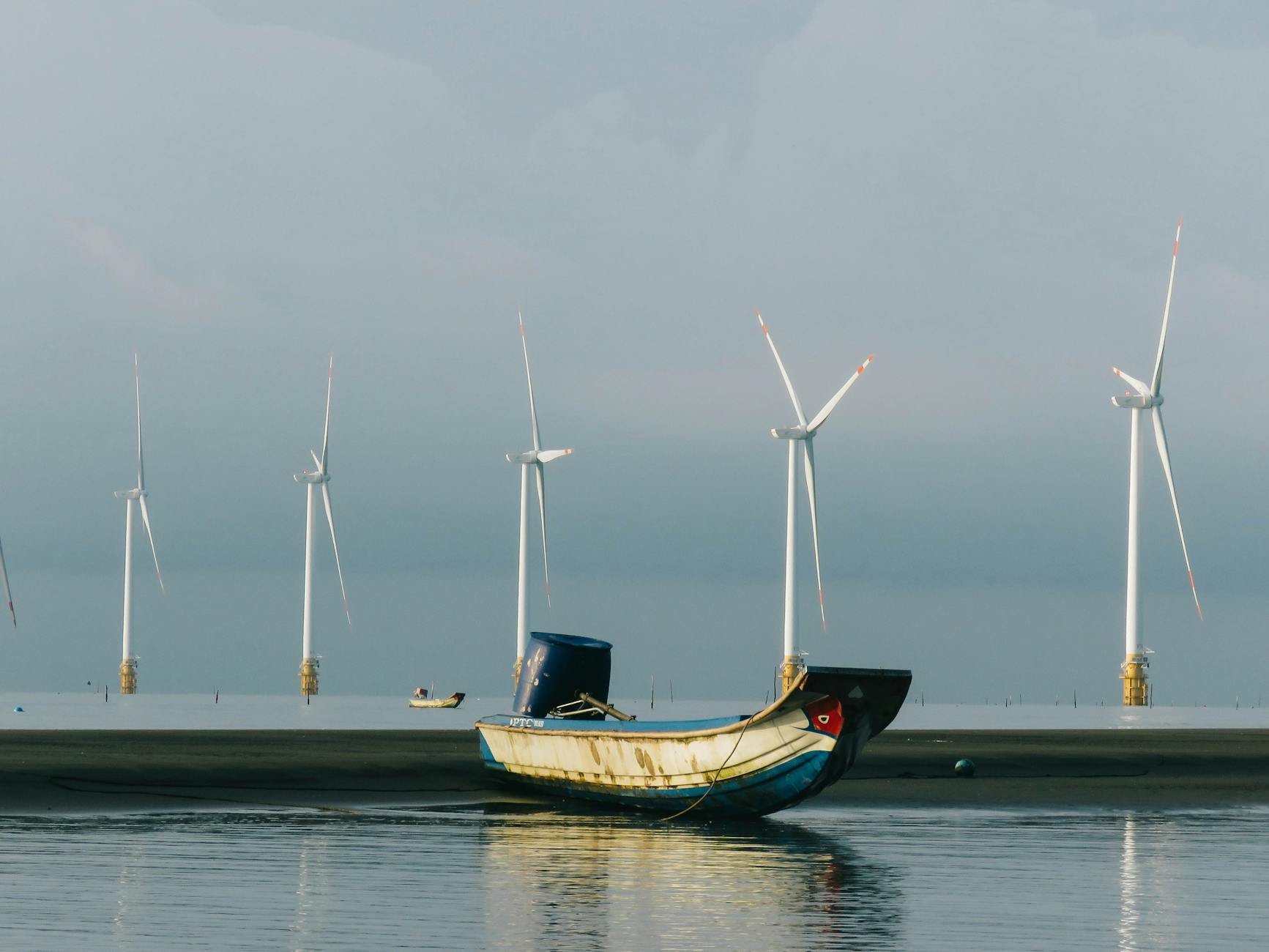
Floating offshore wind turbines, massive structures capable of powering neighborhoods, are already a reality in demonstration projects worldwide, including Maine. This innovative technology offers a powerful solution to the urgent need for clean energy by harnessing strong winds far from shore where traditional turbines can't reach. Multiple different platform designs have been field tested, showcasing the technology's promise for deep-water areas where it may be the only option. However, despite its immense potential for electrification and reducing reliance on fossil fuels, the industry faces significant hurdles, including high costs, engineering complexities, and recent political interference in the U.S. Global collaboration and dedicated research are proving crucial to overcoming these challenges and realizing the full environmental benefits of this cutting-edge sustainable energy source, a vital step in combating global warming.
Imagine a wind turbine taller than the London Eye, placed on a buoyant platform the size of a baseball field, producing clean power far out at sea. This amazing technology, floating offshore wind, is now a reality. It's especially valuable because it can tap into stronger, more consistent winds in deeper waters that fixed-bottom turbines can’t reach, offering a huge boost to our clean energy efforts. This is critical for accelerating electrification and reducing our reliance on fossil fuels, which are driving global warming.
However, the journey to widespread floating wind power isn't easy. While demonstration projects prove successful, building larger wind farms presents engineering challenges and comes with high costs. Recent political decisions, particularly in the U.S., have also created significant headwinds, with project cancellations and withdrawn support for vital infrastructure, undermining progress toward a sustainable future.
Despite these obstacles, researchers and engineers worldwide are dedicated to solving these problems. Maine, for instance, has become a "Goldilocks" state for floating wind research, ideal for developing these systems due to its unique coastal conditions. The University of Maine's Advanced Structures and Composites Center has been at the forefront, creating innovative platform designs and testing models. This local effort, driven by voter mandate after past energy crises, champions sustainable solutions.
Collaboration is key to moving forward. Globally, experts share open-source designs and research. Locally, Maine’s Offshore Wind Research Consortium brings together diverse groups—from tribal governments to fishing communities—to ensure development considers and addresses local concerns. This fosters a shared understanding crucial for responsible environmental action and long-term sustainability.
The Biden administration previously set an ambitious national goal to install 15 gigawatts of floating wind by 2035, comparing it to the moon landing. This "Floating WindShot" aimed to dramatically cut costs and fund critical infrastructure, showing a clear commitment to renewable energy. Such initiatives highlight the urgency of transitioning to clean energy and the benefits of electrification in addressing the climate crisis. While political shifts have created uncertainty, the fundamental need for clean energy solutions remains.
Even with setbacks and funding cuts, the passion for floating wind endures. Companies and research centers continue to collaborate across borders, with Canada now emerging as a new hub for floating wind development in North America. This ongoing dedication reflects a strong belief in the technology's potential to deliver a cleaner, more secure energy future. It’s a powerful reminder that collective effort and sustained commitment are essential to tackle the immense challenge of climate change and build a truly sustainable world.