Floods Devastate Homes, But Where Can Residents Safely Go?

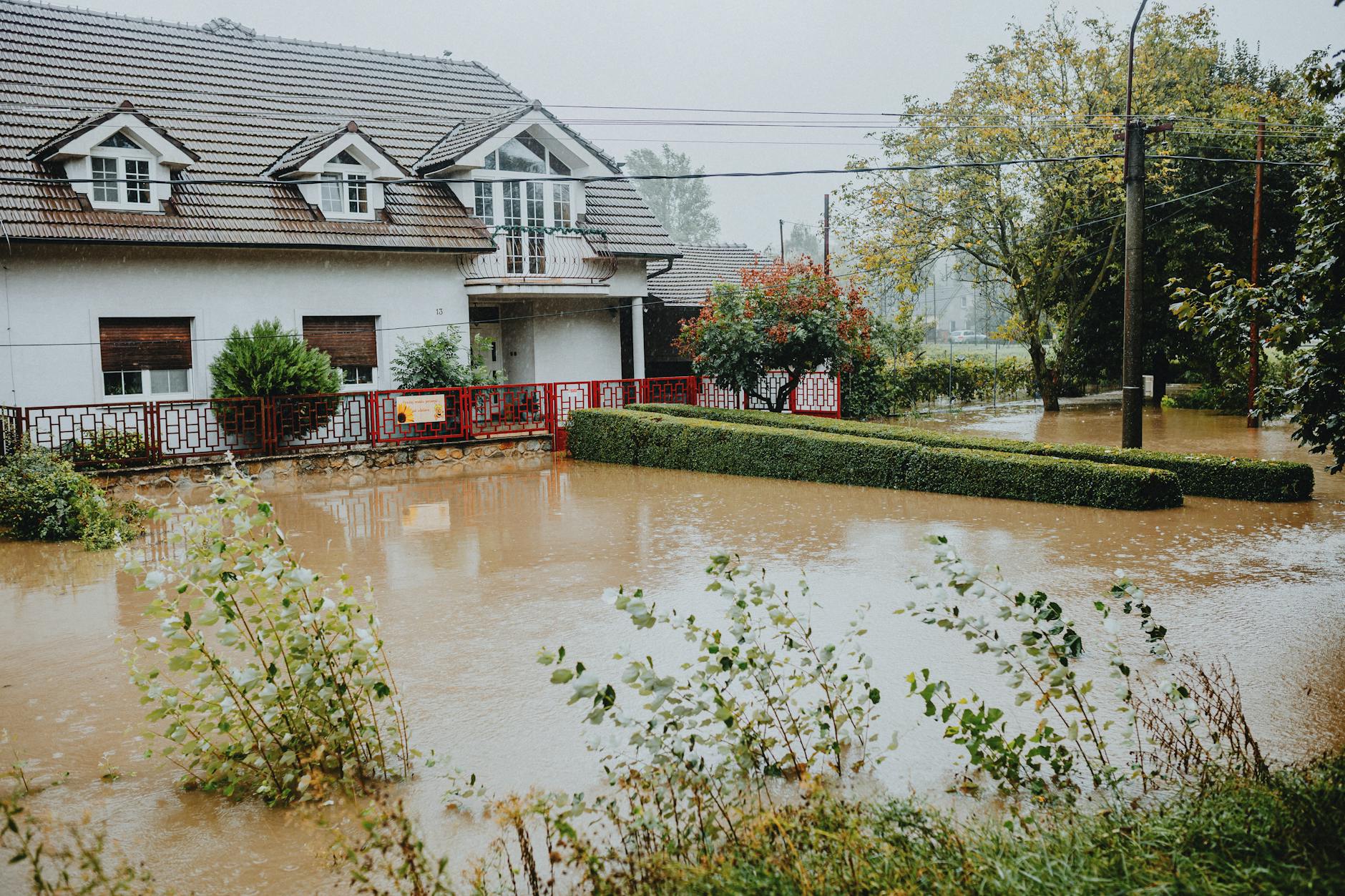
Torrential floods, like those that recently swept through central Texas, are becoming more frequent and severe due to our changing climate. These disasters disproportionately impact residents in manufactured homes, which are often situated in vulnerable floodplains. While these homes offer affordable housing, outdated zoning laws and the high cost of rebuilding often force families back into harm's way or leave them with no safe options. Addressing these challenges is crucial for climate resilience and social equity.
Manufactured homes often end up on land prone to flooding because it was historically considered low-value. This makes their residents especially vulnerable when extreme weather, amplified by global warming, strikes.
After a disaster, many communities face a heartbreaking dilemma. As Andy Rumbach of the Urban Institute explains, rebuilding can be impossible if local rules no longer permit their park to exist. Even when allowed, residents might have to stay in the same risky location, often needing expensive home elevations that can make homes inaccessible for the elderly or those with disabilities.
This cycle of displacement and rebuilding in dangerous areas highlights a critical need for change. Modern manufactured homes can provide vital, low-cost housing. However, to truly benefit from them, we must update zoning laws to ensure they can be located in safe, resilient areas away from floodplains. Prioritizing sustainable land use and proactive planning is essential to protect communities and build a more equitable, climate-resilient future.