Florida Farms Find Hidden Strength in Dirt. What's the Secret? [Resilience]

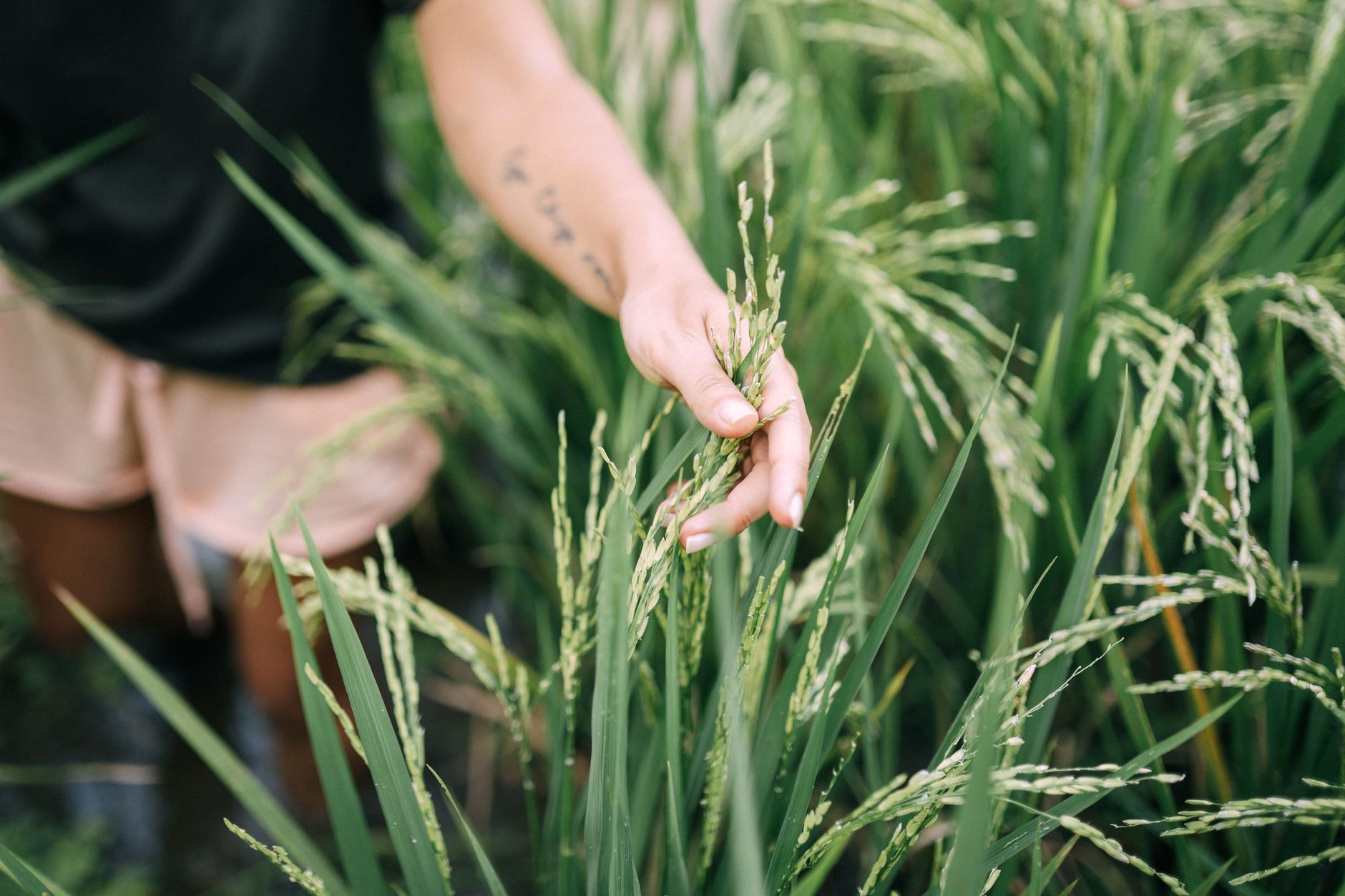
Florida's vibrant farms are facing unprecedented challenges from climate change, with extreme weather events like droughts and storms threatening crops and livelihoods. This instability is putting immense stress on the very foundation of our food system: the soil. In response, a growing number of Florida farmers are embracing regenerative agriculture. This innovative approach focuses on nurturing soil health to build resilience against a changing climate, ensuring nutritious food, and creating a healthier environment for everyone.
Florida, home to 44,000 farms, is grappling with severe climate impacts. Record-low temperatures, intense storms causing billions in losses, and widespread droughts are wreaking havoc, making traditional farming unpredictable. This extreme weather weakens the soil, leaving crops vulnerable and increasing pressure from pests. A 2018 study found that just a 1-degree Celsius temperature increase can significantly raise crop losses from infestations. Experts like Jehangir Bhadha from the University of Florida note how sporadic weather disrupts decades of farming wisdom.
In this chaos, regenerative agriculture offers a way forward. This broad approach aims to revitalize soil health, which in turn protects crop yields and builds resilience. Simple yet powerful strategies, such as reducing tillage and increasing biodiversity, help the soil better retain water during droughts and absorb excess rainfall during floods. It's about working with nature, not against it, to make farms more resistant to climate shifts.
Beyond climate resilience, regenerative practices offer significant benefits for both people and the planet. By minimizing synthetic pesticides and fertilizers, farms reduce harmful chemical runoff and create safer working conditions for farmworkers. It’s well-established that excessive use of chemical pesticides and fertilizers can be detrimental to human health. Karla Dascal of Paradise Farms, one of Florida's first certified organic farms, highlights that healthy soil teeming with microorganisms can even boost human immune systems through environmental exposure. This holistic approach prioritizes the well-being of workers, animals, and the broader ecosystem.
The movement is gaining traction, with farms of all sizes joining in, including large operations like Florida Crystals. However, the term regenerative still has no standardized, agreed-upon definition. The U.S. Department of Agriculture (USDA) is now supporting this shift with a new $700 million pilot program. This initiative offers incentives and technical assistance to farmers adopting regenerative practices, recognizing that investing in soil health is a long-term strategy to reduce financial risks and operational disruptions caused by extreme weather. It’s about ensuring the land's value appreciates, rather than erodes.
Farmers transitioning to regenerative systems face years of experimentation. Initial yields may decline, and new equipment might be needed. Heat or moisture stress on cover crops, for instance, can make their establishment tricky. However, the long-term gains are clear. Farmers like Austin Chandler of Soulsprout Farm find that diverse crops and a healthy ecosystem create natural buffers against pest outbreaks, reducing the risk of total crop loss. The USDA program allows for flexibility, offering options like mulching and carbon soil amendments to improve soil health.
As Climate First Bank's Chris Castro points out, traditional farming is devaluing our agricultural assets. Regenerative agriculture is an investment in the future, allowing farms to stand firm even as the climate changes. Florida's State Conservationist Juan Hernandez points to an AI-generated analysis that identifies regenerative farming as a top trend, connected to millions of acres of crops. The growing recognition that healthy soil is crucial for the future of agriculture is a vital step toward a more sustainable and resilient food system.