Florida's 'Crown Jewel' Restoration Faces A Surprising Hurdle

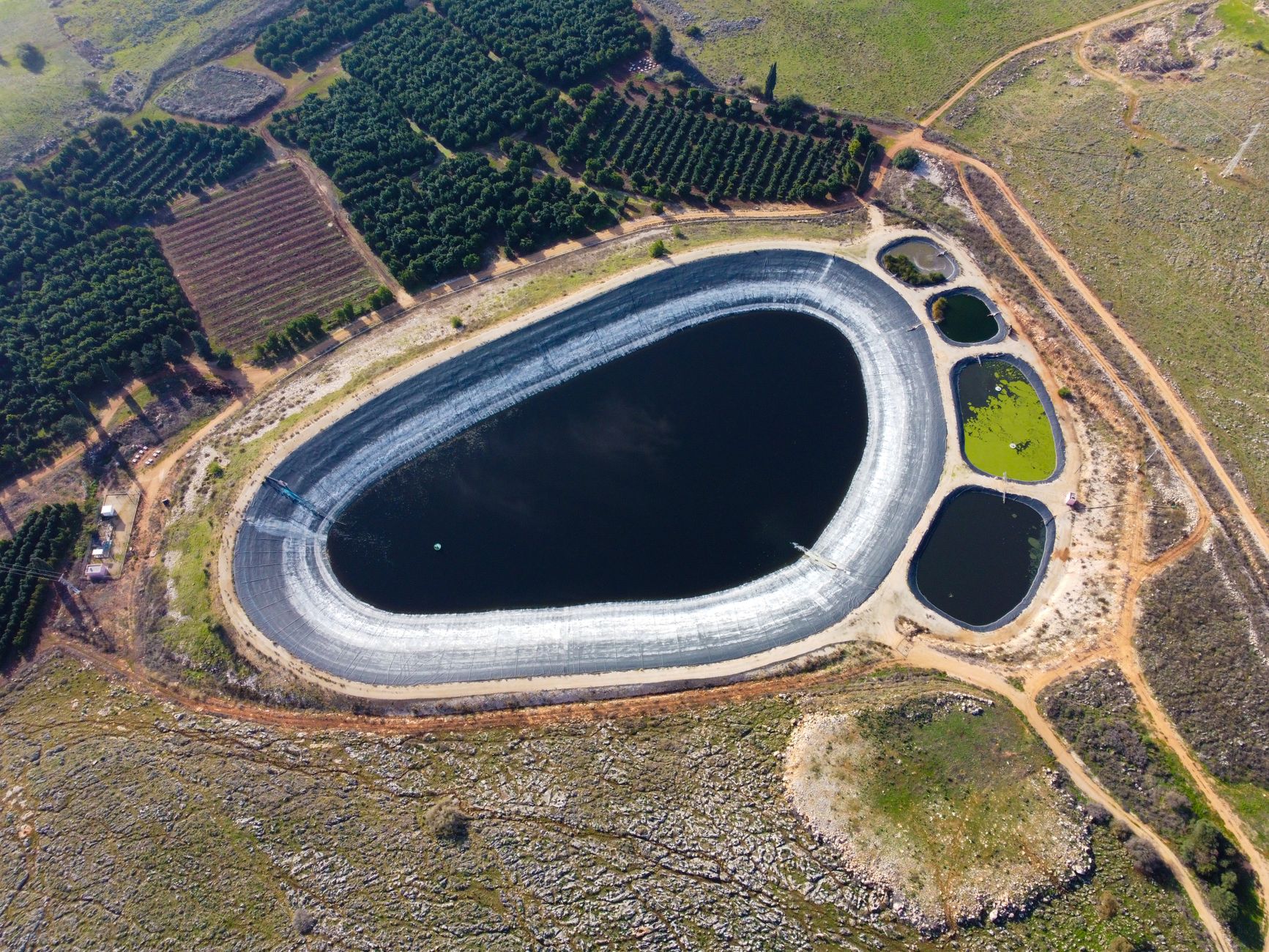
Florida's ambitious Everglades restoration, centered on a massive new reservoir south of Lake Okeechobee, is facing a critical new assessment. While state officials hail the project as a "crown jewel," a recent report by Friends of the Everglades suggests it falls short. The findings indicate that significantly more water storage is needed to truly revive the endangered "river of grass" and protect coastal ecosystems. This raises urgent questions about the long-term health of one of the planet's most vital wetlands.
The Everglades Agricultural Area (EAA) reservoir, a $3.5 billion project, is currently under construction and set to be the largest of its kind in the U.S. Once finished in 2029, it's meant to play a crucial role in bringing fresh water back to the Everglades, a critical watershed that supplies drinking water for millions and supports diverse wildlife. Florida Governor Ron DeSantis has made this effort a key priority, celebrating significant state investments and progress reports from the South Florida Water Management District and the U.S. Army Corps of Engineers, who oversee the project.
However, a new report from the advocacy group Friends of the Everglades argues that the current plan is inadequate. Prepared by science advisor Tom Van Lent, the report suggests that an additional 1 million acre-feet of water storage is needed in the EAA, separate from the reservoir already underway. This massive amount of water would create a shallow, lake-like feature, significantly larger than the existing project, which holds 240,000 acre-feet. The report is based on extensive scientific literature, echoing findings from a 2015 University of Florida Water Institute report that also called for substantial water storage improvements.
The urgency for more storage isn't just about recreating the Everglades' historical flow. It's vital for protecting fragile coastal estuaries from harmful, polluted water discharges from Lake Okeechobee, which in 2018 contributed to a devastating toxic algae outbreak. Moreover, the report highlights the critical need to prepare for future challenges posed by climate change, including rising sea levels and higher temperatures. As Van Lent put it, "what you do in the EAA will determine the fate of south Florida." Environmental scientists, like Paul Gray, emphasize that restoration is an ongoing process, not a one-time fix.
With Governor DeSantis's second term concluding soon, the executive director of Friends of the Everglades, Eve Samples, sees a "historic opportunity" for the next governor to acquire more land and further advance restoration efforts. This underscores the need for continuous action and a clear, science-backed vision to ensure the long-term viability of this irreplaceable natural wonder and the well-being of the communities it supports.