Florida's Dry Season Drowning: What's Behind Record Rains?

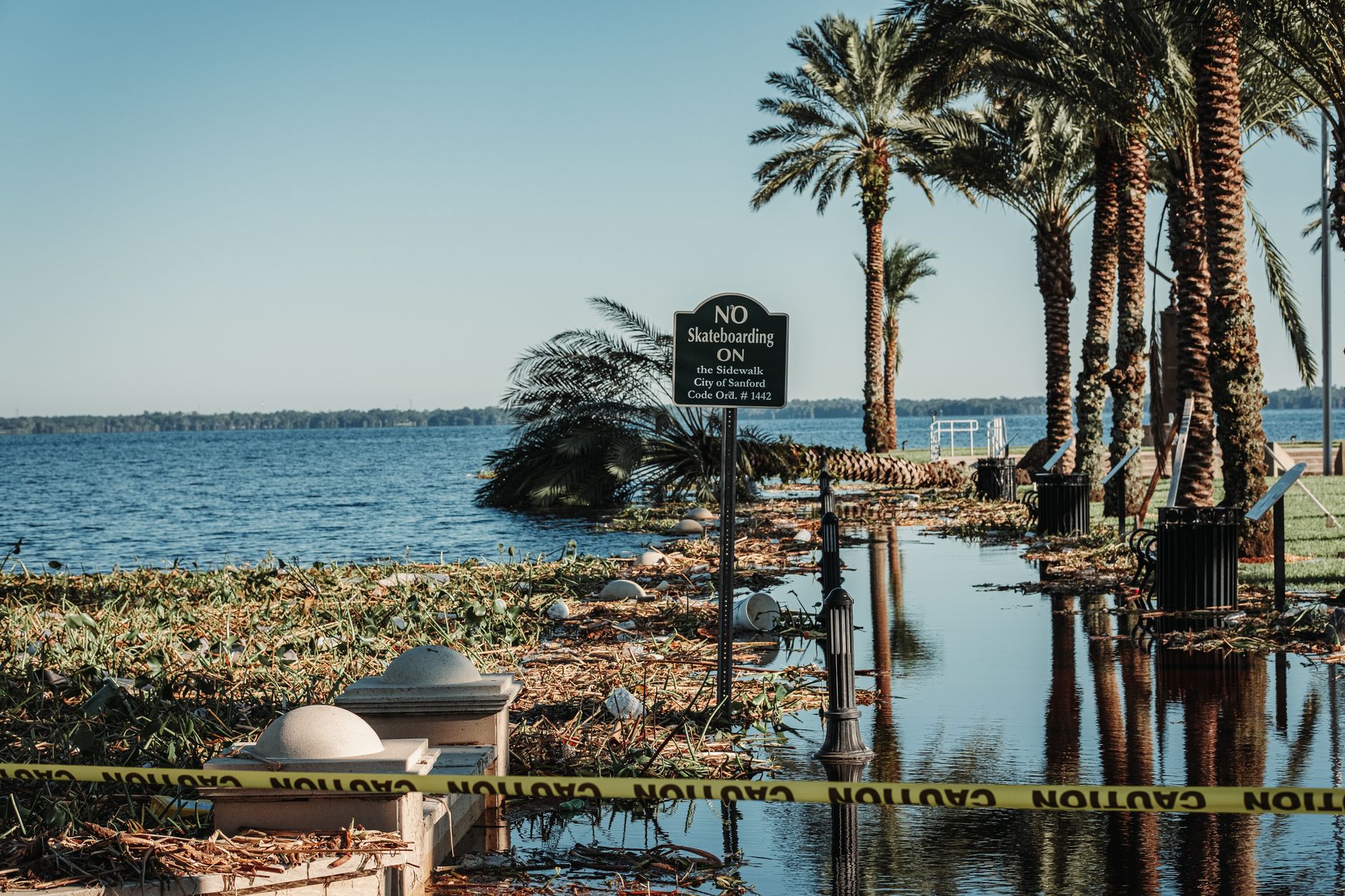
Florida, typically entering its dry season, is instead grappling with unprecedented floods, pushing rivers over their banks and necessitating water rescues for residents and animals alike. Storms that initially swamped South Florida have now shifted north to the Space Coast, with some areas receiving nearly 17 inches of rain in just 48 hours. Simultaneously, California is experiencing its own deluge, marked by street flooding, flight disruptions, and dangerous mudslides. These extreme weather events on both coasts highlight an alarming trend of unpredictable and intense rainfall, raising urgent questions about climate patterns.
What is normally Florida's dry season from October to May has turned into a period of relentless rainfall, with areas like Fort Lauderdale and West Palm Beach seeing their wettest November on record. The storms have brought nearly 17 inches of rain in 48 hours to some parts, causing widespread flooding and prompting water rescues of people and even horses. Residents in Melbourne, who have lived in Florida for years, express shock, noting they've "Never seen such a thing like this in Florida." Many, like Jazmin Foster, have seen their homes flood repeatedly, leading to unanswered questions about support from agencies like FEMA.
The deluge has pushed the St. Johns River near Cocoa above record flood levels set decades ago, and it's expected to remain high for days. In response, nearly 200 Florida National Guard personnel and other authorities have been deployed with high-water vehicles to assist with rescue and evacuation efforts, particularly in hard-hit areas like Palm Bay Estates, where mandatory evacuations were issued for some residents.
Across the country, California is battling its own severe weather. Heavy rains have caused flash flooding in areas like Los Angeles County, including Malibu and the Hollywood Hills, leading to over 200 flight delays at LAX. Dangerous mud and rock slides have closed sections of Highway 1 in Big Sur, and authorities have issued evacuation warnings for communities near burn scar areas, fearing debris flows. Coastal areas are also bracing for high surf, dangerous waves, and beach erosion.
These simultaneous, intense weather events across two different regions — especially Florida's floods during its supposed 'dry season' — paint a clear picture of our changing climate. Such extreme and unusual rainfall patterns are becoming more frequent, urging us to consider the urgent need for environmental action and sustainable solutions to protect our communities. Looking ahead, a non-tropical low-pressure system is expected to form, potentially becoming a subtropical or tropical storm along the southeastern U.S. coast, bringing strong winds and further coastal flooding into next week.