Florida's Elkhorn Coral Moved: A Race to Outwit Climate Change

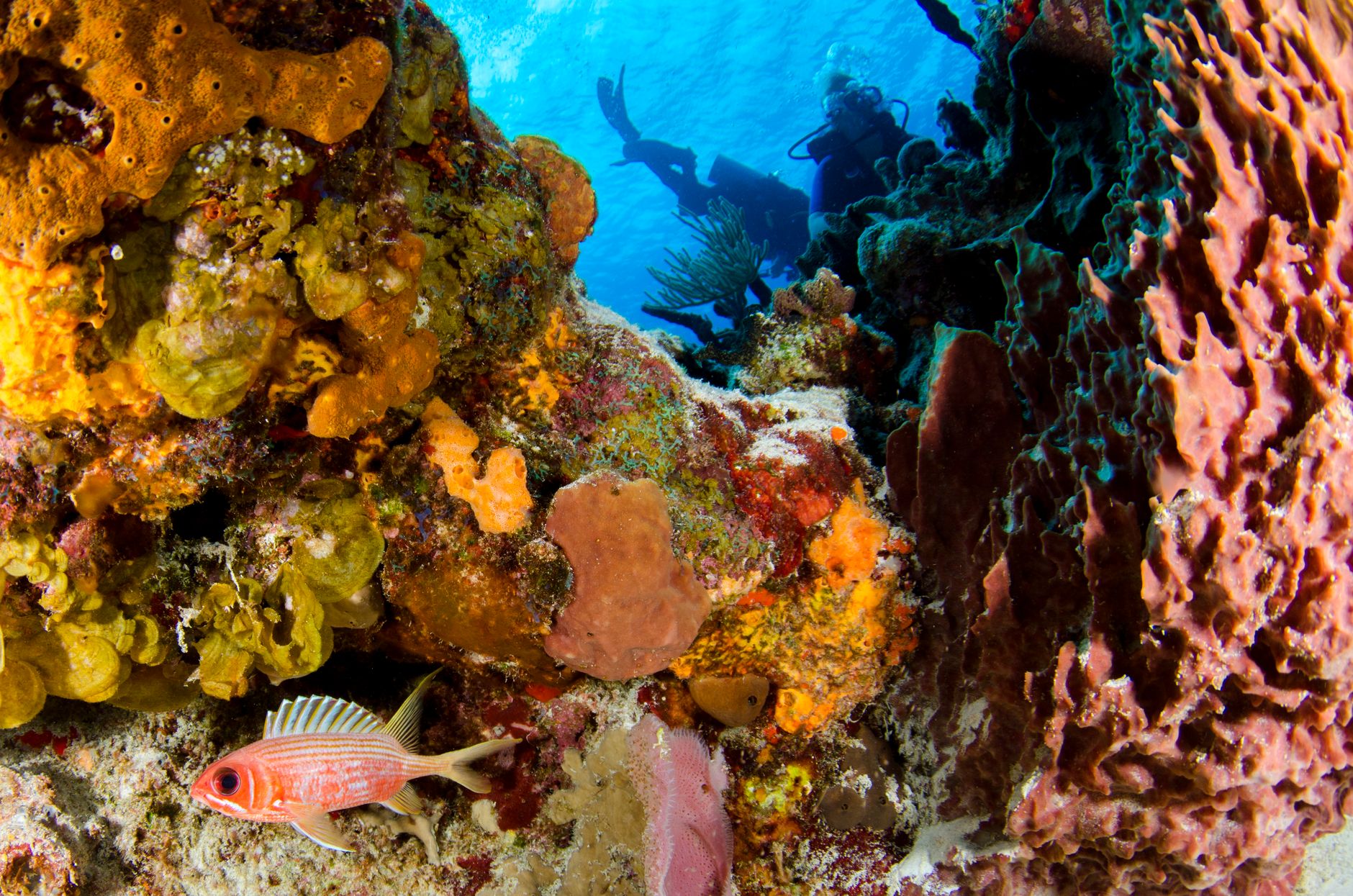
Scientists in Florida are urgently relocating pieces of endangered elkhorn coral from ocean nurseries to land-based hatcheries. This critical action responds to fears that escalating ocean temperatures this summer will trigger another devastating mass bleaching event, potentially worse than those in previous years. Repeated heat waves in 2023 and 2024 have already pushed this vital species to functional extinction in many areas. Preserving these corals is crucial, as healthy reefs are essential for marine life, coastal protection, and tourism, underscoring the immediate need for environmental action against global warming.
Scientists in Florida are taking drastic steps to save endangered elkhorn coral. They've moved 30 pieces of this vital species from ocean nurseries to a safe hatchery on land. The reason? Experts fear that rising ocean temperatures this summer could trigger a devastating mass bleaching event, even worse than previous years, potentially wiping out remaining coral populations. This urgent action highlights the direct and severe impact of global warming on our precious marine ecosystems.
Elkhorn coral, once a thriving part of Florida's reefs, has already been pushed to functional extinction in many areas by heat waves in 2023 and 2024. This means the surviving coral colonies are too small and far apart to reproduce naturally, according to marine biologist Diego Lirman from the University of Miami. When waters get too hot, coral expels the algae living within its tissues, turning white in a process called bleaching. If this stress lasts too long, the coral dies, demonstrating how quickly environmental shifts can cause irreversible damage.
To combat this, researchers are carefully collecting genetically diverse coral fragments. These are then sanitized and placed in controlled tanks at the hatchery, acting as an ark for the species. This exchange of coral with other facilities is crucial for maintaining a broad genetic library, ensuring that unique traits – like resistance to disease or temperature – are not lost forever. Protecting this diversity is a cornerstone of sustainability, offering hope for future reef restoration.
Coral reefs are far more than just beautiful underwater landscapes; they are living ecosystems essential for our planet. They provide vital habitats for countless marine species, supporting global seafood production. Beyond that, reefs act as natural barriers, protecting coastlines from powerful storm surges, and are significant drivers of tourism. Losing them to climate change would be an environmental and economic catastrophe, making efforts to save them an urgent collective responsibility.