Florida's Energy Secret: Millions Spent to Keep What Running?

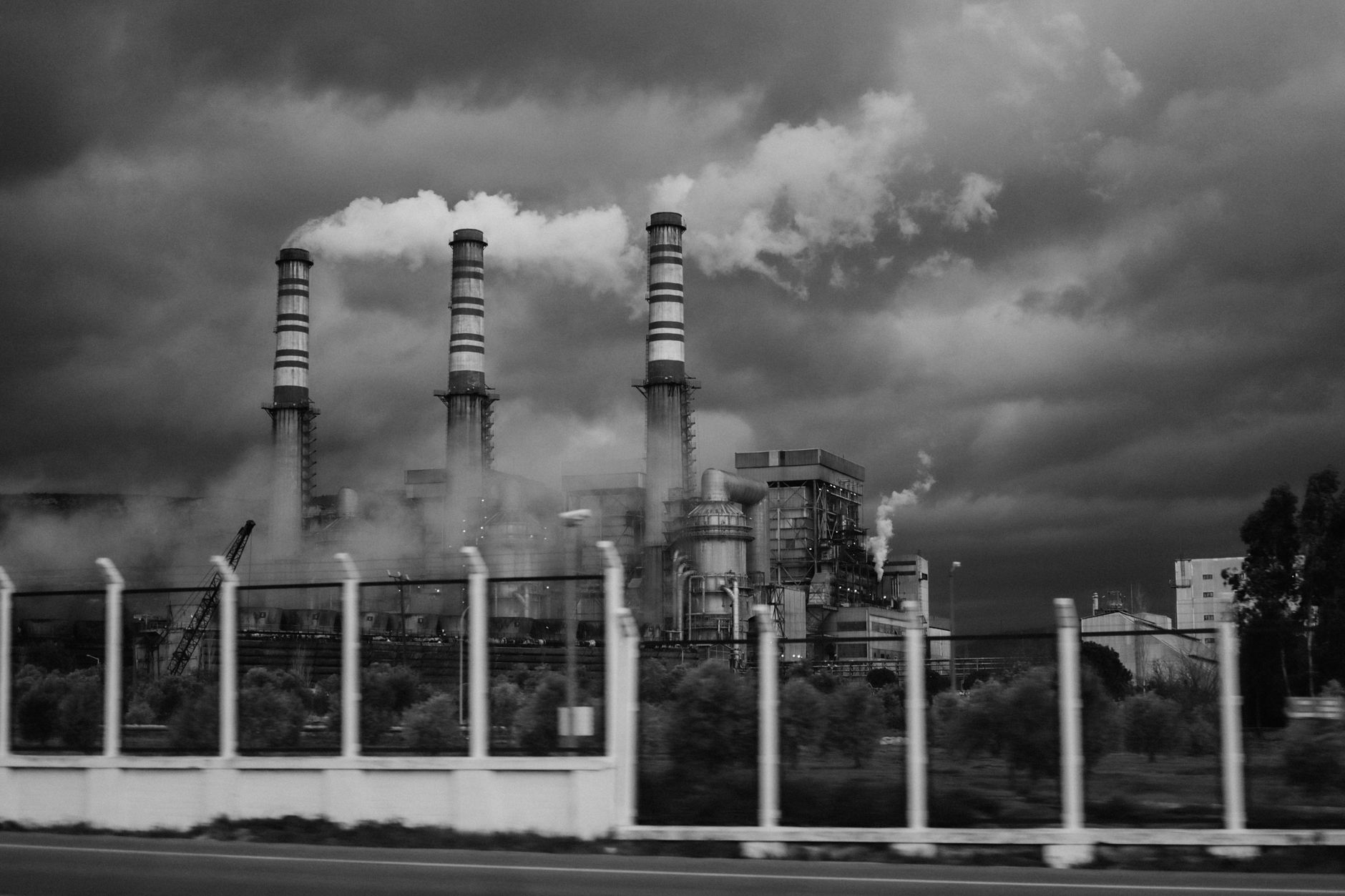
Federal emergency orders have forced a Florida coal plant to continue operating past its planned retirement, costing local ratepayers an estimated $25.6 million. This situation in Orlando is part of a broader trend where similar directives have kept six coal plants nationwide running, totaling nearly $600 million in extra expenses. Critics argue these mandates contradict planned transitions to cleaner, more affordable energy and contribute to environmental harm, slowing progress toward urgent climate goals.
A recent analysis by the Environmental Defense Fund reveals that Floridians are bearing a significant financial burden. The Stanton Energy Center in Orlando, originally slated for an "extended cold shutdown" by May 2026, has been kept online due to consecutive federal emergency orders. This move goes against the Orlando Utilities Commission's (OUC) own plans to shift towards renewable energy and achieve net-zero emissions by 2050, highlighting a clear tension between federal mandates and local sustainability efforts.
The Department of Energy (DOE) issued its initial order in June and a subsequent one in September, claiming an energy emergency in Florida, citing increased demand from data centers and a cold snap. However, environmental groups like Earthjustice and the Environmental Defense Fund, who have legally challenged these orders, argue that the plants are simply uneconomical and older, leading to higher operational costs. They point out that keeping these older coal facilities running is far more expensive than transitioning to modern, cleaner energy sources, costing around $6.2 million a month at Stanton alone. This directly impacts the wallets of Floridians, who are already facing some of the highest energy bills in the nation.
Beyond the financial strain, continuing to operate coal plants exacerbates critical environmental issues. Coal combustion is a major contributor to air pollution, directly harming communities living nearby and worsening respiratory health. Crucially, it accelerates global warming, leading to more extreme weather, hotter temperatures, and rising sea levels—threats that disproportionately impact vulnerable communities in Florida. While the DOE claims these orders saved lives during peak demand, critics contend that preventing blackouts doesn't justify overriding planned clean energy transitions with costly, polluting alternatives.
Moving towards electrification and sustainable solutions offers a clear path forward. Electric solutions often outperform fossil fuels in efficiency, cost stability, and environmental benefits. OUC, for its part, states its own analysis favors adding solar and energy storage, calling it more cost-effective than new fossil-based generation and crucial for meeting CO2 reduction goals. This commitment underscores the growing understanding that clean energy is not just an environmental imperative but also a sound economic choice for a resilient and sustainable future. Collective climate action, supported by policy decisions that prioritize long-term environmental and economic health, is more important than ever.
Legal challenges against similar orders in other states, like Michigan, have even seen courts rule that no emergency existed, yet the orders persisted. This ongoing conflict highlights the urgent need to prioritize cleaner, more affordable energy that protects both ratepayers and the planet, rather than prolonging reliance on outdated, polluting infrastructure.