Florida's Local Power Erodes: What Communities Can't Control

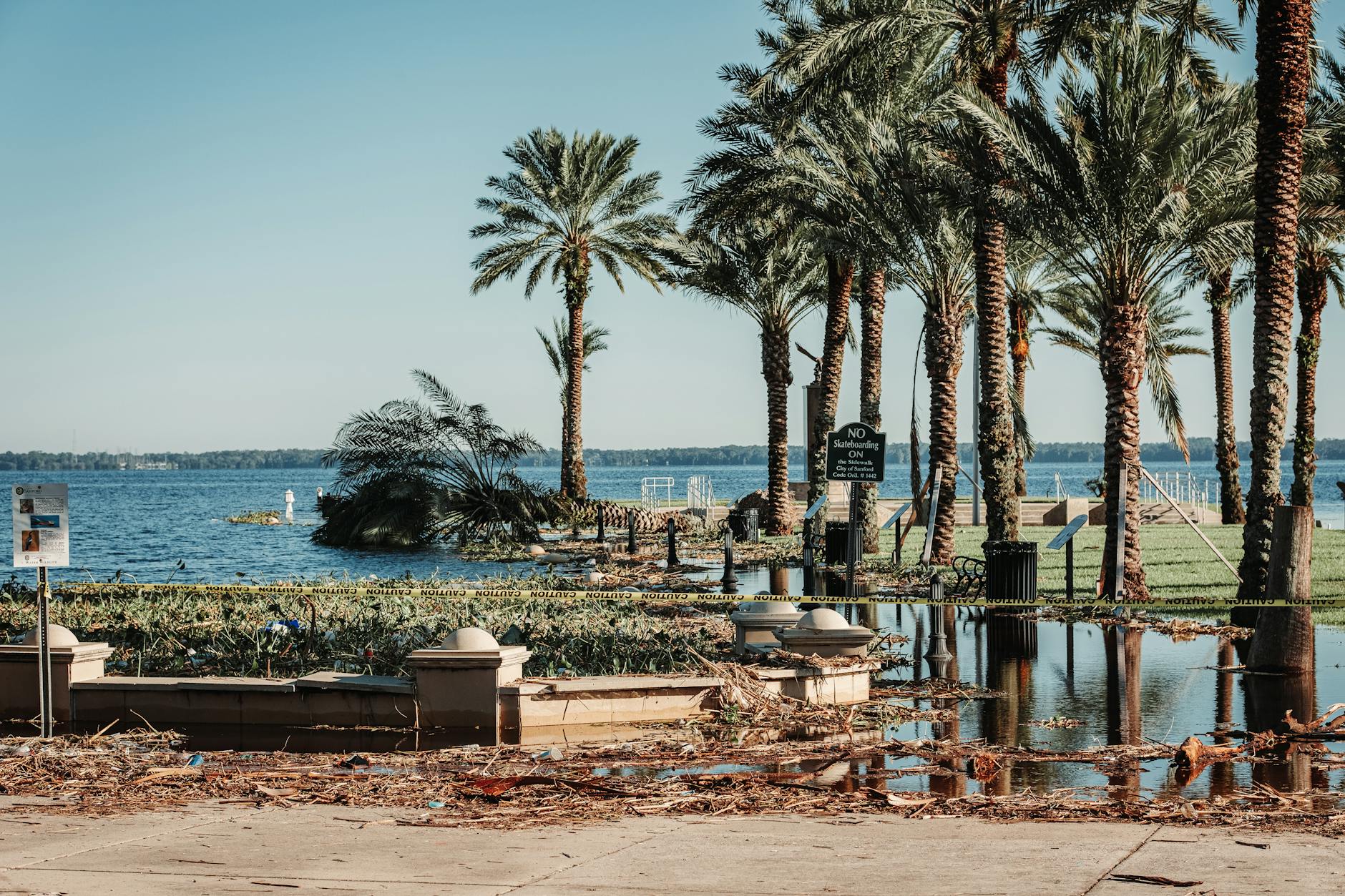
Florida is increasingly passing state laws that prevent local governments from setting their own rules on issues like environmental protection, climate change, and managing urban growth. These "preemption" laws are alarming local officials and advocates who argue that communities are best equipped to address their unique challenges, especially in a state highly vulnerable to intensifying storms and sea-level rise. This shift in power could undermine crucial efforts to build resilient communities and protect natural resources.
In 2024, inland Florida communities, like Polk County, experienced severe flooding from Hurricane Milton. As a fast-growing area, leaders considered requiring larger stormwater ponds for new developments. However, a state law known as SB 180, passed last year, prohibits local regulations that are more "burdensome or restrictive" than existing ones, effectively tying the county's hands. This law, presented as a hurricane recovery measure, broadly limits changes to development rules, sparking concern among local officials.
SB 180 is just one example of Florida's growing trend of preemption laws. Over the past decade, state lawmakers have passed numerous prohibitions limiting local control on various issues. Communities can no longer require worker heat breaks, ban plastic bags, mandate EV charging stations in new parking lots, or outlaw gas-powered lawn equipment. They are also prevented from enhancing environmental protections through "rights of nature" ordinances, or pursuing 100 percent carbon neutrality goals to fight greenhouse gas emissions.
Environmental advocates emphasize that local initiatives are vital for a state like Florida, which is highly susceptible to climate change impacts. While the state has invested in some environmental projects, critics argue it simultaneously ignores factors contributing to climate vulnerability. As of 2024, Florida no longer considers climate change when crafting energy policy, a decision highlighted by the net-zero ban. This puts a greater burden on local governments to address the mounting costs of climate change and extreme weather.
The state's actions have had a "chilling effect" on communities. Orange County, for instance, had its updated comprehensive plan, designed to encourage sustainable growth, voided by the state. Cities like Sanibel, known for strong environmental protections, are now hesitant to update their plans to account for new sea-level rise projections, fearing state intervention. While older plans offer some protection, rapidly growing areas like Polk County find themselves unable to adapt their rules to current needs. This creates a challenging situation where local leaders feel their power to make decisions that serve their communities is being eroded.
Many local officials and advocacy groups are pushing back, arguing that the people closest to a problem are often closest to its solution. They believe that allowing diverse communities to tailor solutions to their specific environmental and growth challenges is essential for effective governance and climate resilience. The ongoing legal challenges reflect a broader debate about whether state-level uniformity is beneficial or if it stifles the ability of local communities to protect their residents and environment.