Florida's New Law: What it Means for Homes on Radioactive Land

A new Florida law, House Bill 167, is set to make it significantly harder for residents to sue phosphate mining companies and developers over radiation exposure from homes built on reclaimed land. This change comes despite long-standing concerns about elevated levels of naturally occurring radioactive materials in areas like the "Bone Valley," where extensive phosphate mining has occurred. Environmental advocates and residents worry the law prioritizes corporate interests over public health, potentially leaving thousands exposed to long-term health risks without proper recourse. This situation highlights the critical need for robust environmental protections and corporate accountability.
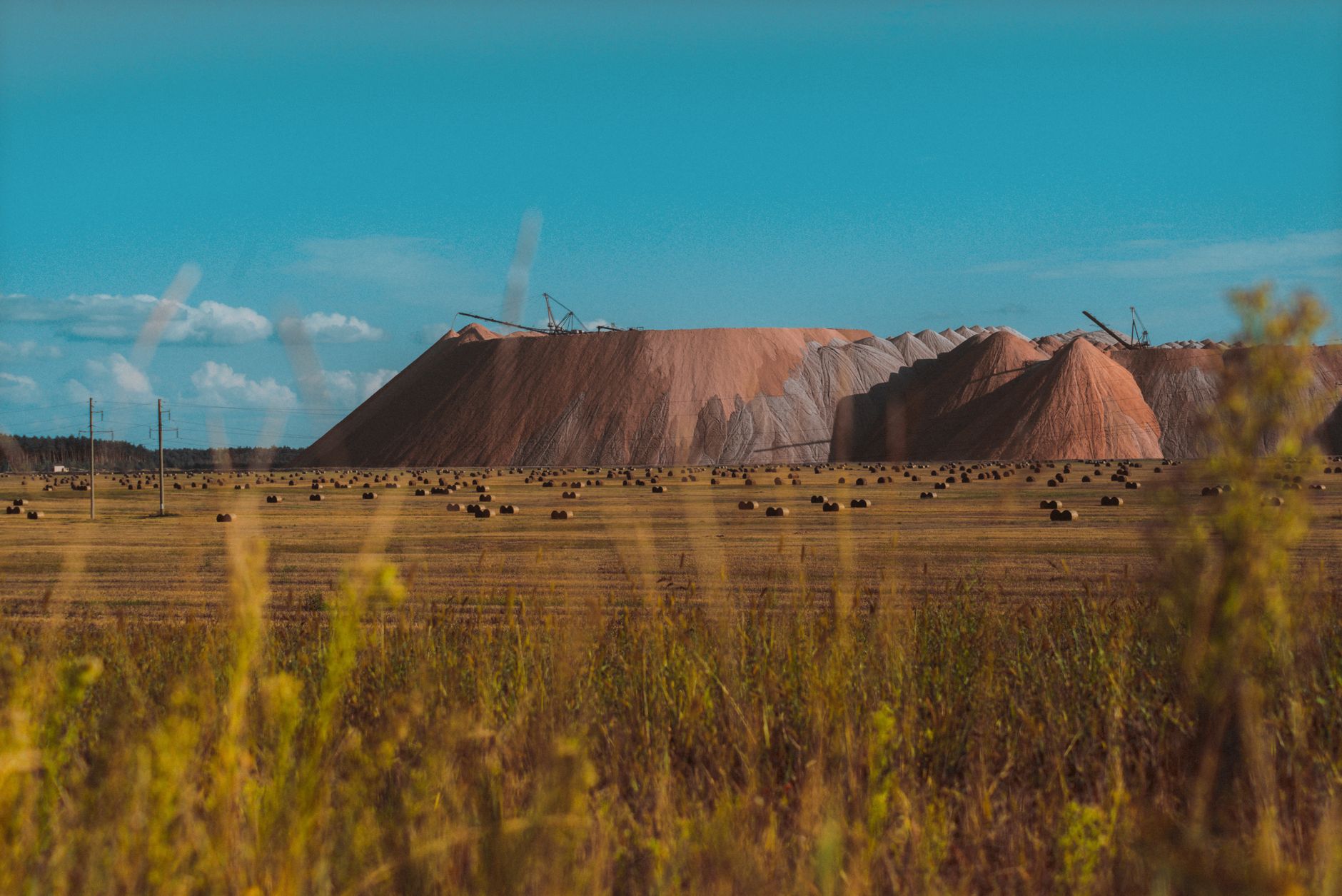
In central Florida's "Bone Valley," where decades of phosphate mining have shaped the landscape, a troubling reality for residents is coming to light. Environmental activist Andy Mele recalls a man, visibly ill, asking about the health impacts of radioactivity after Mele's Geiger counter detected "ferocious" levels of radiation on his property in Mulberry. This region, encompassing over 450,000 acres, often contains naturally radioactive uranium and radium in the phosphate rock, elements whose concentration can increase during the mining process before the land is "reclaimed."
After mining, housing developments have sprung up on these reclaimed lands, leading to concerns that residents were not warned of potential hazards. A 2020 class action lawsuit against The Mosaic Co. and developers claimed two mobile home parks were tainted with decaying uranium and radium. Now, a new state law, House Bill 167, effective July 1, will significantly restrict future lawsuits.
The law offers property owners a way to request a free gamma radiation survey from the Florida Department of Health, which then serves as public notice. While this might sound helpful, it drastically changes the legal landscape. It establishes a defense against "strict liability," meaning plaintiffs must now prove negligence, a much higher bar than before, according to a Florida Senate bill analysis. Critics argue this move primarily benefits large companies like Mosaic, a fertilizer industry giant with vast land holdings in Florida, which paid multiple lobbyists to push for the bill. Mosaic stated the law brings "much-needed clarity and predictability to owners of former phosphate mining lands."
The human cost is profound. An EPA report from 2003 found gamma radiation exposure on reclaimed phosphate mining areas to be 2 to 3 times greater than background levels, yet little action followed to warn communities. Gamma rays, a form of ionizing radiation, can pass through the human body, damaging tissue and DNA, and are linked to various cancers, including leukemia and bone cancer, as highlighted by the EPA's radiation overview. The half-life of radium-226 is about 1,600 years, meaning risks can persist for millennia. Residents like Alexis Pappas, who lived with her daughter in Paradise Lakes without being notified of the land's history, express deep concern. Her sister, now in her 30s, developed multiple bone tumors, prompting questions about a potential link.
Adding insult to injury, the new law requires residents to pay thousands of dollars for their own property testing before filing a lawsuit, creating a significant financial hurdle. Meanwhile, companies seeking liability protection receive their gamma radiation surveys for free, with the state budgeting $3 million annually for these. This imbalance raises alarms about environmental justice and the potential for more "affordable housing" to be built on these risky lands without adequate transparency for renters or buyers. Ensuring that communities are safe from industrial legacies like radioactive soil is a fundamental aspect of environmental protection and a collective responsibility.