Florida's Unsung Heroes: The Surprising Battle to Save Sea Turtles

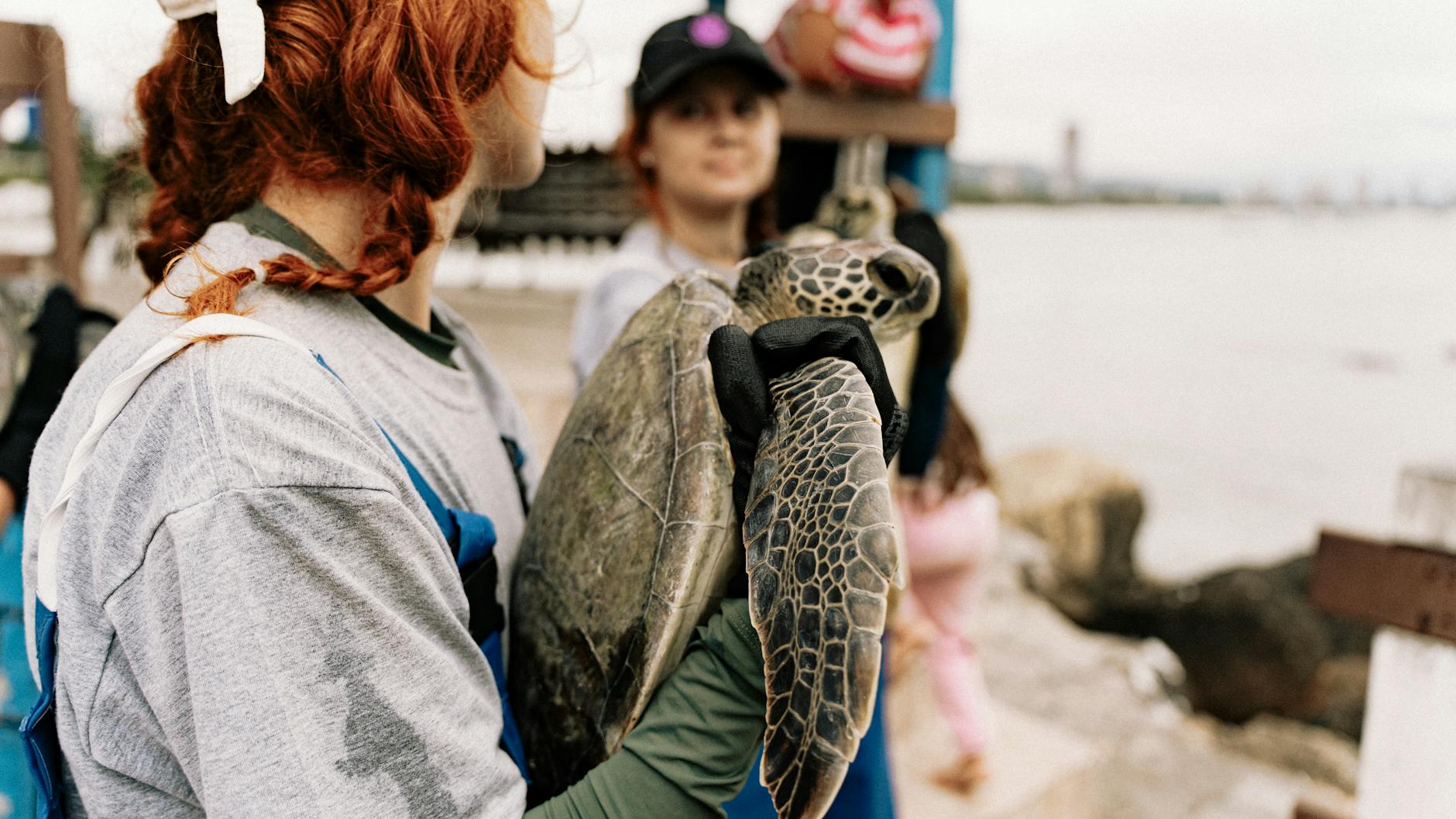
A dedicated network of volunteers across Florida is working tirelessly to rescue endangered sea turtles from fishing entanglements, a common threat along the state's popular piers. These rapid response teams not only save individual turtles like Bowser, a recent loggerhead rescue, but also highlight the broader environmental challenges these ancient creatures face. Their efforts are crucial in protecting marine life and underscore the urgent need for continued conservation as sea turtles grapple with both immediate dangers and the long-term impacts of a changing climate.
Along Florida's long fishing piers, a constant vigilance is needed to protect sea turtles. Volunteers like Scott and Cheri Dexter, part of the Navarre Beach Sea Turtle Conservation Center, are on regular patrol, ready to spring into action. They recently orchestrated the dramatic rescue of a 172-pound loggerhead named Bowser, hauled to safety after being hooked by a fishing line. This successful rescue, involving quick thinking and specialized gear designed by Scott, was the 26th such incident at the Navarre pier this year alone, highlighting the frequent dangers these animals encounter.
Fishing entanglements are a significant threat, especially during nesting season from May to October. Studies show that Santa Rosa County, home to the Navarre pier, accounts for a large percentage of reported pier entanglements on Florida’s Gulf Coast. While many rescued turtles are successfully rehabilitated and released, a concerning number break free with hooks still attached or are lost. All five species of sea turtles found in the Gulf — including loggerheads, green sea turtles, and the critically endangered Kemp's ridley — are protected under federal law, primarily due to past human activities like hunting and commercial fishing.
Beyond direct human interaction, climate change poses a looming threat. The sex of sea turtle hatchlings is determined by nest temperature, with warmer sands producing more females. Scientists are concerned this imbalance could eventually lead to a severe shortage of males, impacting the species' ability to reproduce. Localized studies have already found some turtle populations with over 80 percent females, and extreme warming can prevent eggs from hatching at all. Rising global temperatures also bring more intense storms, which can destroy nesting sites, further jeopardizing these vulnerable populations. Organizations like the Loggerhead Marinelife Center are crucial, leading initiatives to train first responders and equip them to handle turtle emergencies, stressing that anglers who accidentally hook a turtle should call for help immediately without attempting to remove the hook themselves. These volunteer- and donation-dependent efforts are a lifeline for sea turtles, demonstrating the power of collective action in safeguarding our planet's precious biodiversity.