Forest treatments deliver surprising climate wins.

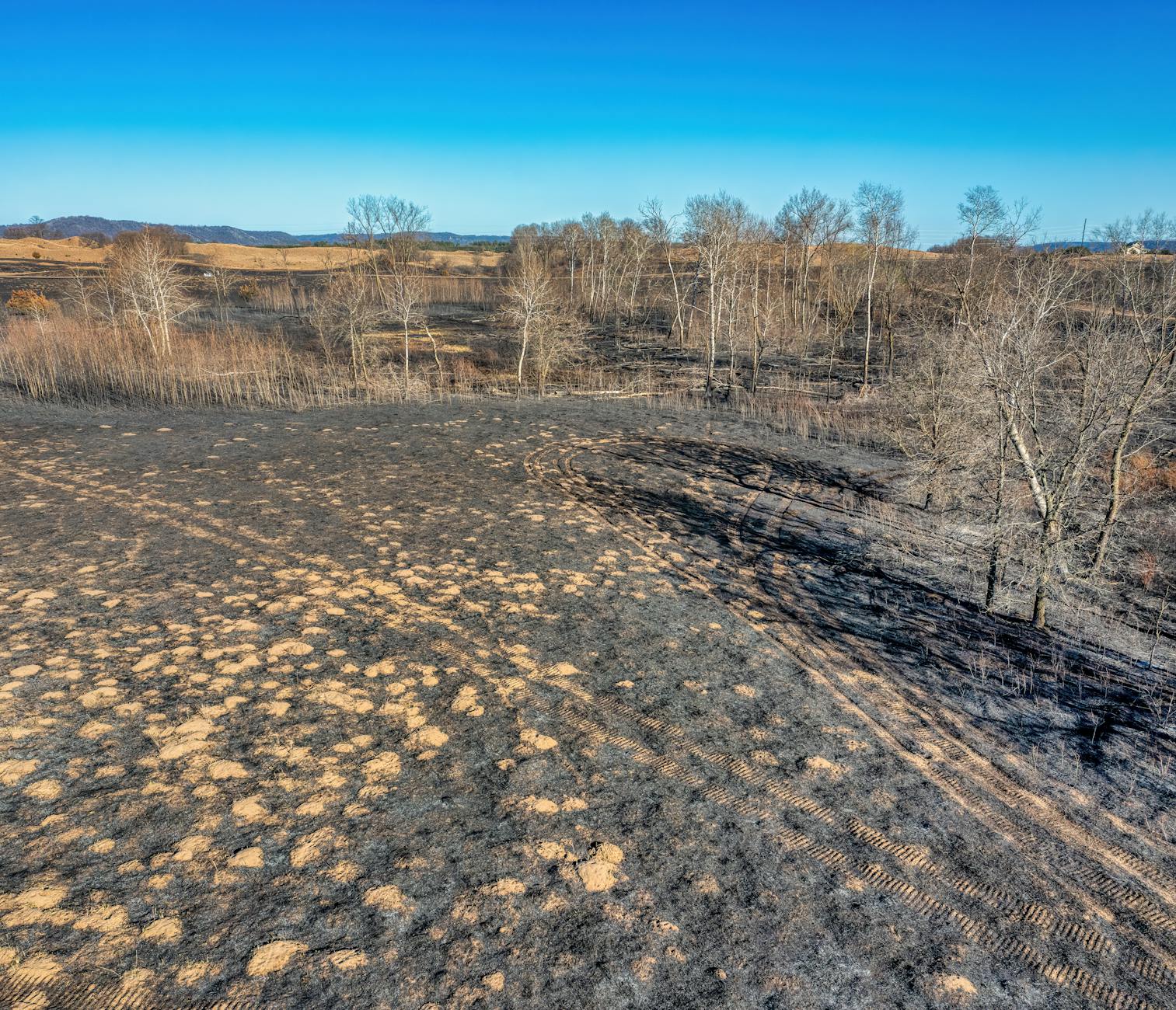
A new study from the University of California, Davis, reveals significant benefits from proactively managing forest fuels in the Western U.S. Prescribed burns and thinning operations have prevented millions of tons of carbon emissions, nearly 60 premature deaths, and saved an estimated $2.8 billion in damages. These crucial actions also kept over 25,000 tons of harmful particle pollution out of the air. As the West faces an increasingly severe wildfire season fueled by drought and extreme heat, these findings underscore the urgent need for sustainable forest management to protect both our environment and communities.
The comprehensive study, published in the journal Science, highlighted that every dollar invested in these preventative treatments yielded $3.73 in expected benefits. This shows a clear economic advantage in taking proactive steps against devastating wildfires, which are intensified by a warming climate. These 'fuel treatments' involve carefully planned prescribed burns, where controlled fires clear out dangerous accumulations of brush, and mechanical thinning, which removes excess vegetation.
Such efforts significantly reduced the total area burned by major wildfires between 2017 and 2023, preventing an estimated 152,000 acres from turning into uncontrollable infernos. This is vital because uncontrolled wildfires release vast amounts of carbon dioxide and fine particulate matter, which are far more damaging than the emissions from controlled burns. In fact, wildfires produce about 83% more fine particulate matter than prescribed burns over the same area, according to the U.S. Forest Service.
Despite the proven benefits, these effective prevention strategies are often underutilized. Public pressure and a focus on immediate fire suppression tend to divert resources away from long-term, sustainable forest management. Experts emphasize that expanding these practices is critical, especially as climate change continues to drive hotter, drier conditions that make forests more vulnerable to intense, destructive fires. Prioritizing prevention means investing in healthier forests, cleaner air, and safer communities, mitigating the wider impacts of global warming.