Forget AI: What's the real policy threat to our future?

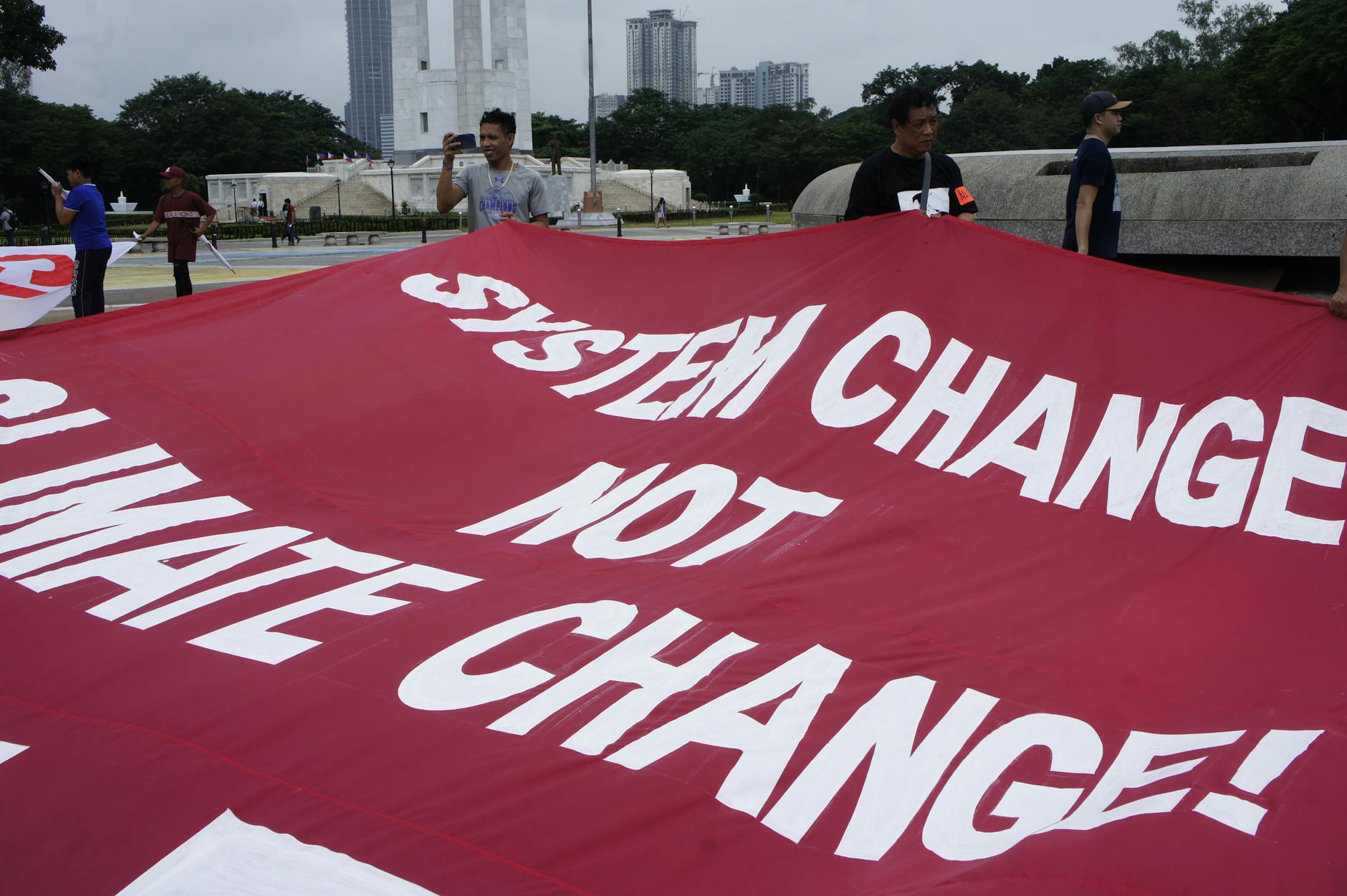
Even as concerns about artificial intelligence grow, a different, more immediate threat to humanity is intensifying: the systematic rollback of environmental protections. The Trump administration's policies, from weakening power plant emission limits to hindering electric vehicle adoption, are actively accelerating global warming. These actions contribute to alarming environmental impacts like overheated oceans and extreme weather. However, a growing wave of public resistance and activism is emerging to champion sustainable solutions and advocate for urgent climate action.
The current political climate has seen an ambitious assault on our planet. Despite daily headlines about global warming's devastating effects—melting glaciers, stark weather shifts, and species extinction—critical environmental safeguards are being dismantled. This includes gutting scientific research, rolling back limits on power plant emissions, and attempting to open more of the California coast to oil drilling. Efforts to transition to cleaner energy and electric vehicles are being sabotaged, which actively hinders progress towards a sustainable future.
Yet, a powerful counter-movement is gaining momentum. People are actively rebelling against this disregard for our shared inheritance. For example, hundreds recently defended California's coastal authority at a public hearing, with thousands more filing comments online. Environmental activist and author Bill McKibben is organizing a worldwide "Sun Day" to promote clean energy and launched Third Act, a national movement of people 60 and older advocating for climate action and civic participation. This movement is vibrant in many states, including Southern California.
Third Act members engage in diverse activities, from promoting climate-friendly candidates and running phone banks to testifying at public meetings. They've pushed the Dodgers to reconsider sponsorships with Big Oil and successfully advocated for Disneyland's Autopia attraction to switch to electric cars by 2027. Zan Dubin, a co-founder of National Drive Electric Week, highlights that numerous volunteer-led events promote electric vehicles nationwide, underscoring their superiority over fossil-fuel alternatives.
Many activists, like Margaret Davis of Senior Stewards Acting for the Environment, see this as an unparalleled opportunity for positive change. Even younger generations, represented by leaders like Sim Bilal of Youth Climate Stewards 4 Local Action, are finding renewed energy and agency in collective action. Bilal emphasizes that while organized money holds sway, the power of "organized people" can demystify and challenge current systems. This widespread engagement shows that taking action is a powerful antidote to despair, offering tangible steps toward protecting our environment and securing a livable future.