France Banned Shows, But What Happened to Its Marine Animals?

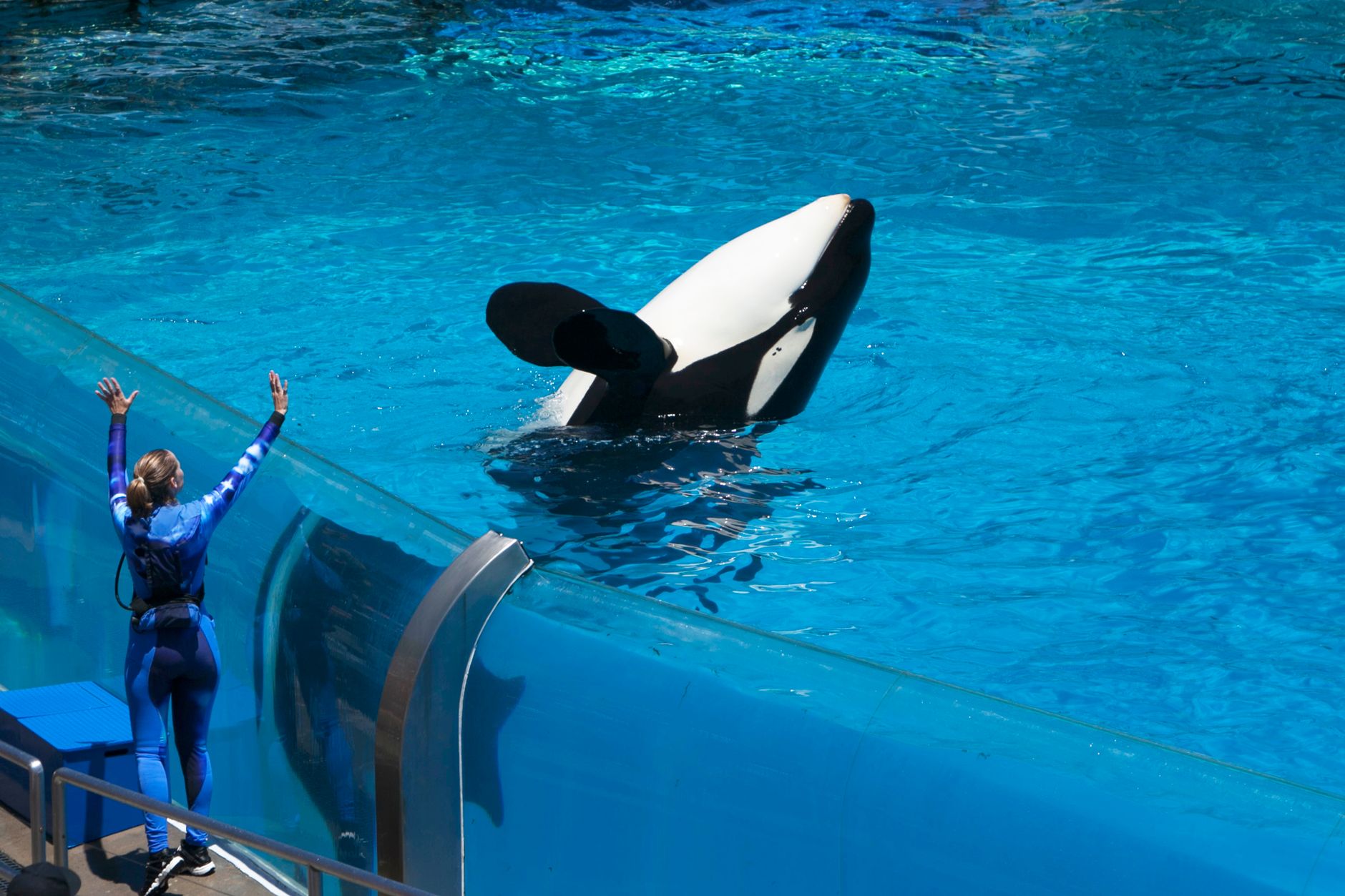
France's decision to ban cetacean shows and close Marineland Antibes in early 2025 was a significant step for animal welfare. However, the subsequent relocation of its dolphins and orcas has highlighted a critical challenge: the absence of a clear exit plan. Despite the ban, many animals remain in limbo in deteriorating facilities or have been transferred to other commercial marine parks, underscoring the complexities of transitioning away from animal captivity without established sanctuaries or sufficient humane alternatives. This situation raises urgent questions about the responsibility to protect these sentient beings.
Eight bottlenose dolphins recently left Marineland Antibes, traveling from France to Selwo Marina in Spain. While their departure from a closed, decaying park is a relief, this move is only temporary and places them within another operating dolphinarium owned by the same company. Four dolphins, along with Wikie and Keijo, France's last captive-born orcas, still await transfers, some of which require international government approval.
The French legislation ending cetacean shows was passed in 2021, with Marineland closing in January 2025. Yet, the years since have been marked by continuous disputes and delays in finding suitable homes for these animals. Animal protection groups rightly opposed moving them to other commercial facilities, advocating instead for genuine sanctuaries where they could live out their lives without public display.
However, a major hurdle emerged: no operational sanctuary was ready to receive them. This delay meant the animals remained in increasingly poor conditions. The urgency of the situation was tragically underscored by the deaths of Wikie’s son, Moana, and brother, Inouk, from bacterial infections at Marineland, with construction still continuing around the remaining orcas in those same compromised tanks.
France's minister delegate for ecological transition has since confirmed that the pools are unstable and no sanctuary could be prepared in time. This ongoing situation serves as a stark reminder: while banning practices that harm animals is vital, it’s equally crucial to establish robust, humane, and sustainable solutions for the animals affected. True environmental action means ensuring their well-being throughout such transitions, setting up dedicated sanctuaries that prioritize animal welfare over commercial interests.