France Halts Tesla FSD: What's the Real Obstacle?

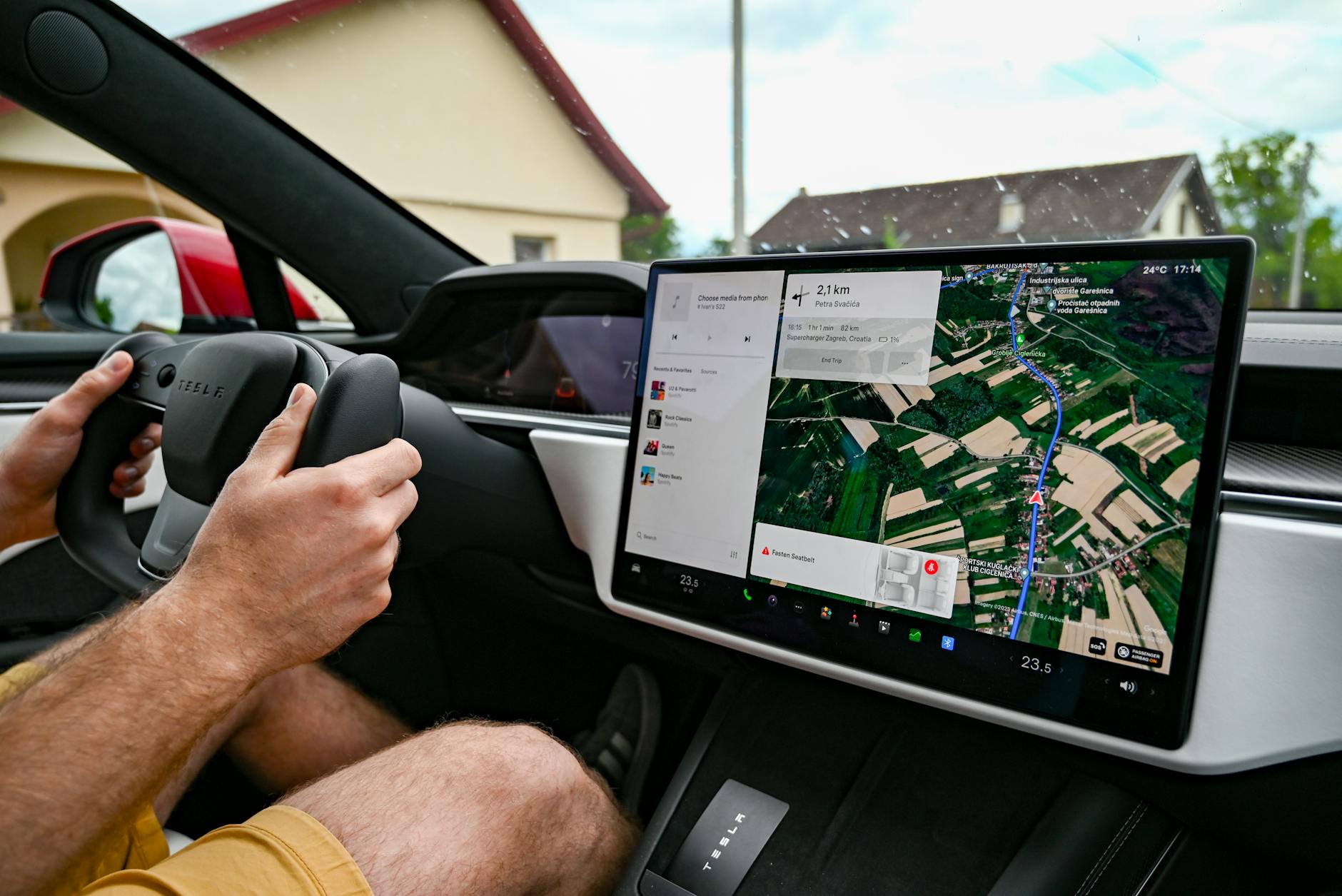
France has officially put the brakes on Tesla’s Full Self-Driving (FSD) Supervised system, citing ongoing safety concerns. French Transport Minister Phillippe Tabarot emphasized that drivers remain fully responsible and highlighted issues like potential speeding and ensuring driver attention during complex maneuvers. This decision drew a sharp response from Elon Musk, who pointed to Tesla's compelling safety data showing FSD vehicles are dramatically safer than average driving, urging a quicker path for life-saving technology.
French Transport Minister Phillippe Tabarot recently announced that France would not approve Tesla’s Full Self-Driving (FSD) Supervised system in its current form. He expressed detailed concerns, stressing that FSD is not yet a truly autonomous system and drivers remain fully accountable for their vehicle's operation. Specific issues raised included the system's behavior when surrounding traffic exceeds speed limits and doubts about its ability to guarantee driver attention during tricky urban situations like lane changes and intersections.
While acknowledging technological progress, France's cautious approach aligns with broader European regulatory trends. Minister Tabarot confirmed ongoing technical talks with Tesla and other European partners, indicating a desire to ensure road safety is the absolute priority before widespread deployment.
However, Elon Musk swiftly countered France’s decision, highlighting what he called the “human cost” of such regulatory delays. Tesla’s latest safety reports provide compelling data: FSD (Supervised) vehicles recorded significantly fewer major collisions compared to both manually driven Teslas and the U.S. national average. This data, gathered from billions of miles driven, suggests FSD could be a significant step toward making roads safer, saving lives that might otherwise be lost due to human error.
Advanced driving systems like FSD represent a leap forward in automotive technology, promising a future of safer, more efficient roads. While not directly about power sources, these innovations are key components of the evolving electric vehicle ecosystem, moving us towards a smarter and more sustainable transport landscape. As autonomous systems continue to demonstrate improved safety, the pressure mounts for international collaboration and harmonized approvals to accelerate the adoption of these potentially life-saving technologies.