Funding Food Rescue: What new climate action just arrived?

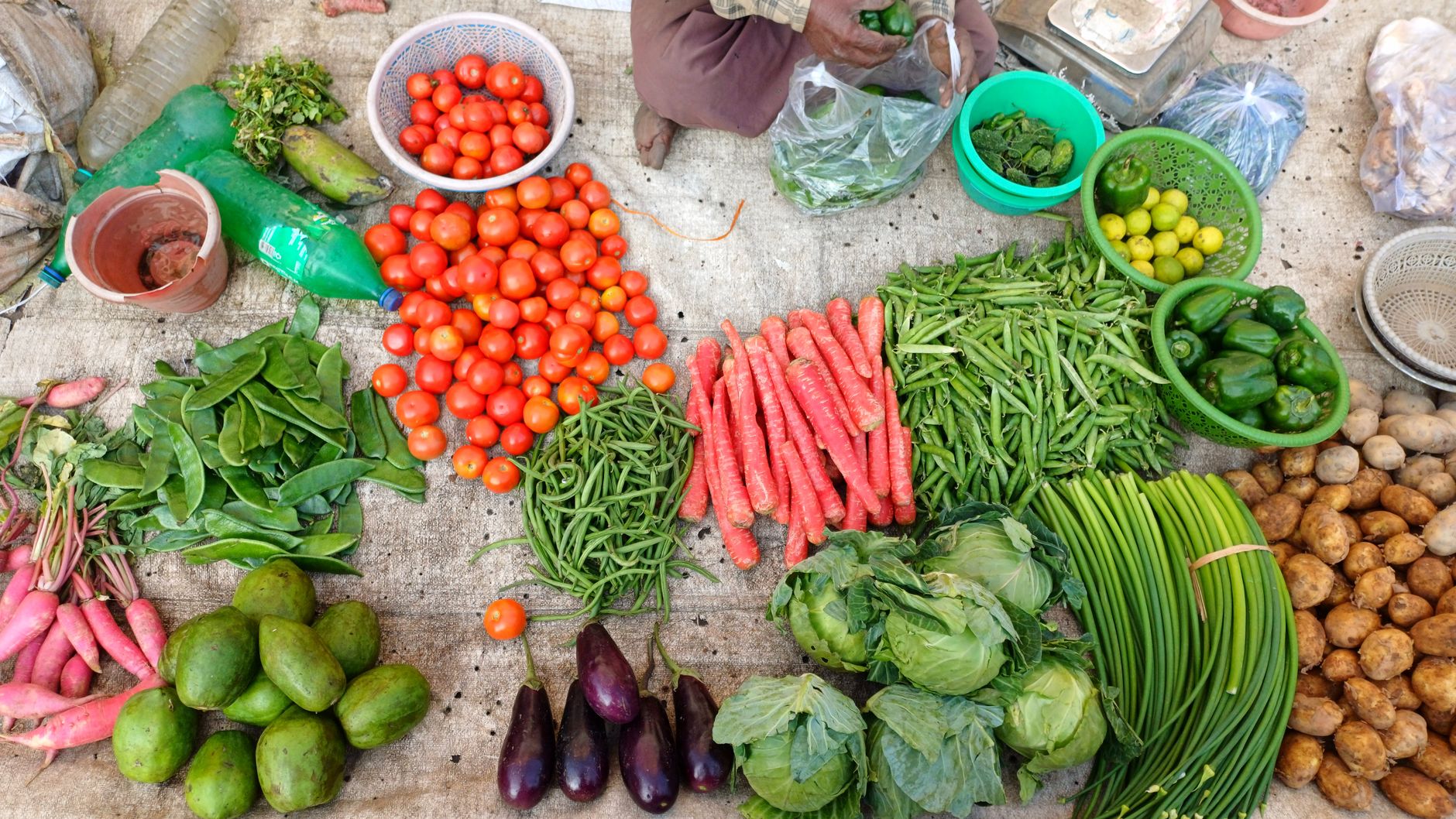
A groundbreaking step in climate action has been taken as Verra, a leading carbon credit standard, approved the first-ever carbon credits for reducing food loss and waste. This innovative move means that efforts to rescue surplus food can now receive financial support from carbon markets. The initial credits, stemming from the Brightly project, represent significant avoided methane emissions, a powerful greenhouse gas. This new pathway not only tackles climate change but also helps feed people, highlighting a crucial link between sustainability and social good. It emphasizes the urgent need to address overlooked sources of global warming.
The approved carbon credits come from the Brightly project, which successfully redirected billions of pounds of surplus food in the United States from waste streams to people. This action prevented the food from decomposing in landfills, a major source of methane, a potent greenhouse gas that significantly contributes to global warming. Each credit represents one tonne of avoided greenhouse gas emissions, turning essential food rescue efforts into measurable climate impact.
This development offers a vital new way for food rescue organizations, like the network partnering with Brightly, to fund their critical operations. With carbon market revenue, these groups can cover costs for trucks, drivers, and refrigeration, helping them scale up their ability to collect and distribute food that would otherwise go to waste. This creates a positive cycle: more funding leads to more food rescued, further reducing harmful emissions.
Food waste is a huge global challenge with serious environmental consequences. Around 8% to 10% of worldwide greenhouse gas emissions come from food loss and waste, according to the UN Environment Programme and FAO. In 2022 alone, over a billion tonnes of food were wasted at the consumer level, enough for more than a billion meals daily. This new method by Verra, approved under its VM0046 Methodology, provides a clear framework to measure and reward projects that tackle this problem, helping to unlock much-needed climate finance. It’s a powerful example of how creative solutions can make a real difference in protecting our planet and addressing hunger simultaneously.