Future Hurricanes: What Forecasts Reveal About Our Coasts

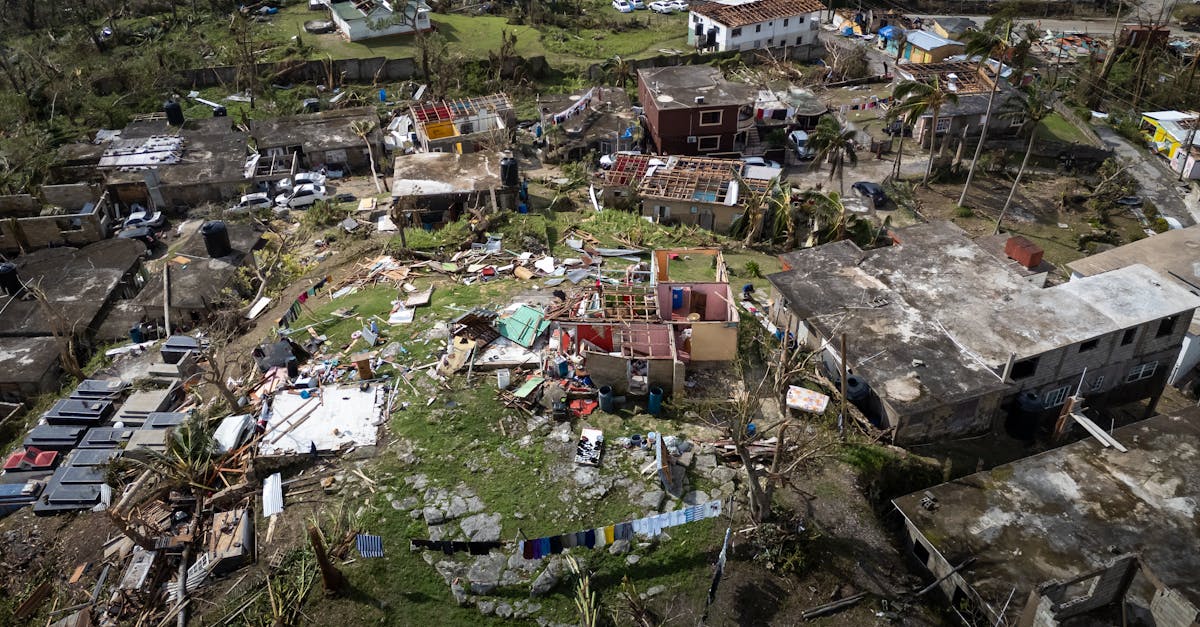
The Atlantic hurricane season is poised for a dramatic and unsettling transformation, with scientists predicting wildly unpredictable years ahead. Driven by unprecedented global warming, future seasons are expected to bring more intense, rain-heavy, and rapidly strengthening storms. This isn't just about stronger winds; it means a growing risk of devastating floods, back-to-back disasters, and a staggering rise in both direct and long-term indirect deaths. Our continued reliance on fossil fuels is directly fueling this escalating threat, demanding urgent action to protect vulnerable coastal communities and mitigate the worst impacts of a changing climate.
Get ready for a new normal in Atlantic hurricane seasons. Recent climate research suggests we’ll see huge swings, from extremely busy years to quieter ones, as human-caused heat disrupts our planet's weather patterns. A 2024 paper projected a significant increase in the variability of hurricane activity by 2050 Projected increase in the frequency of extremely active Atlantic hurricane seasons. This erratic behavior makes planning and recovery much harder for communities already on the front lines of climate change.
The danger isn't just about one big storm; it's about the increased threat of multiple hurricanes hitting the same area within weeks. We saw a devastating example in 2020 when Hurricanes Eta and Iota struck Nicaragua and Honduras, leaving behind immense destruction. Experts warn this "double whammy" scenario, where one disaster follows another before recovery can begin, will become more common, potentially trapping coastal regions in a cycle of "perpetual disaster recovery," according to a 2024 report by the National Academies. A 2022 study highlighted that the chances of sequential storms with significant hazards along the U.S. East and Gulf coasts could shrink from once every 10-92 years to as little as one to three years under a moderate emissions scenario Increasing sequential tropical cyclone hazards along the US East and Gulf coasts.
The financial toll will also skyrocket. While part of the rising cost comes from more people building in risky areas, climate change itself will drive a massive surge in damages. One 2025 study projected a staggering 633% increase in hurricane-related damages for the late century compared to historical periods, even under a moderate global warming scenario Sensitivity of tropical cyclone risk across the US to changes in storm climatology and socioeconomic growth. Stronger storms, faster intensification, heavier rainfall, and higher sea levels will all contribute to this escalating destruction. This emphasizes the urgent need for sustainable infrastructure and moving away from fossil fuels to protect our economy and environment.
Beyond property, the human cost is profoundly concerning. While direct hurricane deaths are tragic, a 2024 study revealed a far grimmer picture: an average of 7,000-11,000 *excess* deaths per storm in the U.S., lingering for up to 15 years, often linked to cardiovascular disease and cancer Mortality caused by tropical cyclones in the United States. These deaths, hundreds of times higher than direct casualty estimates, are tied to long-term stress, economic disruption, and changes in health care access following a disaster. As climate change intensifies these storms, we can expect this hidden mortality burden to grow.
This future isn't set in stone. The science clearly points to a need for urgent climate action. Investing in sustainable solutions, reducing greenhouse gas emissions, and building resilient communities are no longer options but necessities. Our collective choices today will determine the severity of tomorrow’s hurricane seasons and the safety of our coastal populations.