Future of Mobility Rolls Out: Could This Transform How We Own Cars?

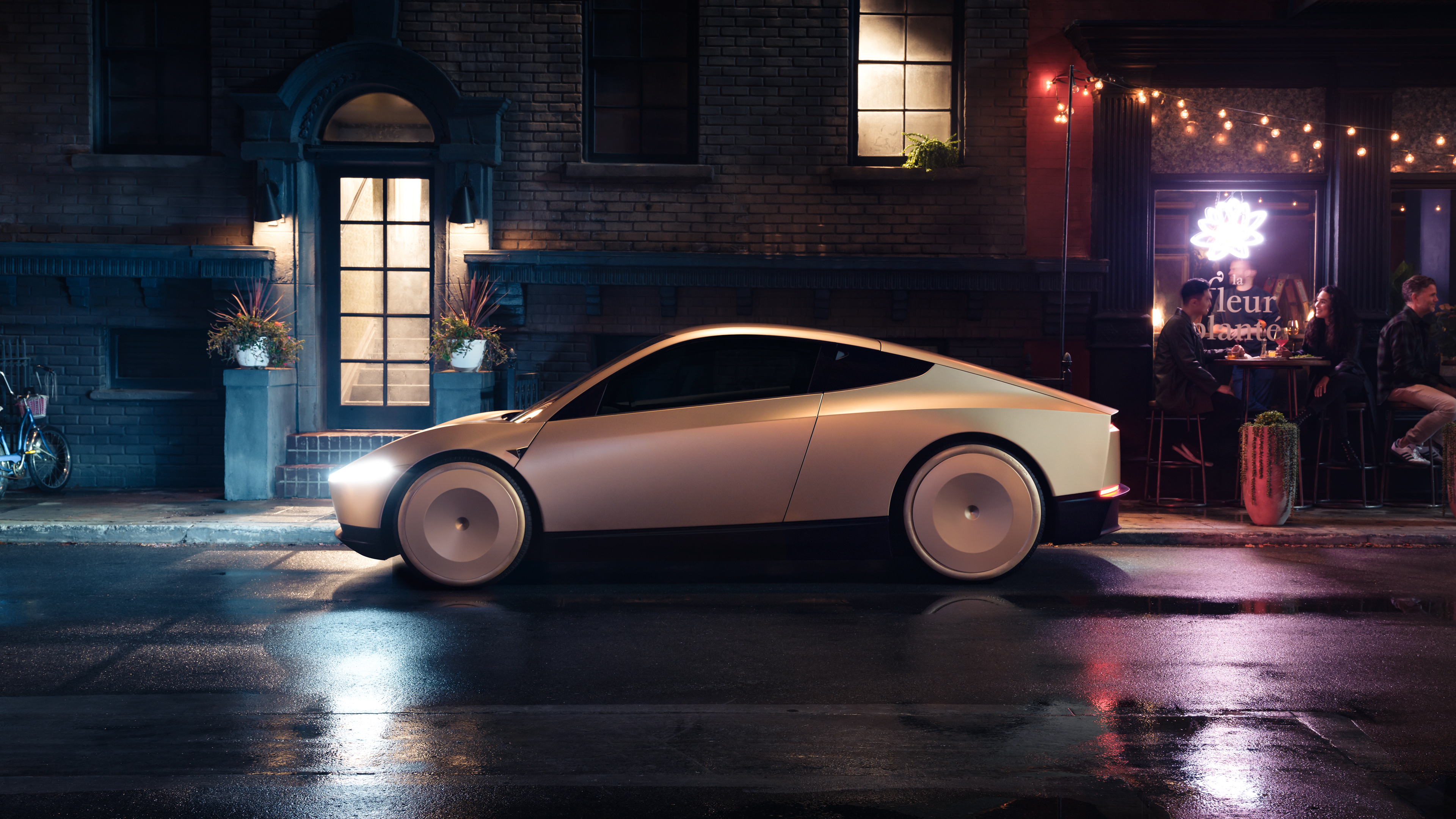
Tesla is accelerating the production of its groundbreaking Cybercab, a fully autonomous, electric robotaxi, at Gigafactory Texas. Recent observations show dozens of these unique vehicles undergoing testing, signaling a major step toward mass deployment. This innovative electric solution aims to redefine personal transportation, potentially shifting us away from traditional car ownership. Such a move could significantly reduce urban congestion and emissions, marking a pivotal advancement in sustainable urban living and climate action.
At Tesla’s Gigafactory Texas, the future of transportation is visibly taking shape. Recent drone footage revealed a significant ramp-up in test manufacturing for the Cybercab, Tesla’s purpose-built Robotaxi. Dozens of these sleek, autonomous-only vehicles, which famously lack steering wheels or pedals, were spotted in various stages of testing, from tight formations to crash validation areas. This surge in activity suggests Tesla is nearing its goal of high-volume production, potentially signaling the end of car ownership as we know it.
The Cybercab's journey began with the first unit rolling off a specialized “unboxed” manufacturing line in mid-February, ahead of schedule. This innovative production method, which kicked off low-volume builds earlier than anticipated, is designed to cut costs and speed up assembly, making it a game-changer for large-scale electric vehicle production. While full volume production is still a few weeks away, the current rapid increase in test units underscores Tesla's commitment to bringing this vision to fruition.
Envisioned as an affordable, two-seater vehicle for robotaxi fleets, the Cybercab runs entirely on Tesla’s advanced Full Self-Driving technology. By offering a shared, electric transportation option, it holds the potential to drastically reduce the number of privately owned cars on our roads, not just in the U.S. but also internationally. This shift isn't just about convenience; it promises cleaner air, less traffic, and a significant step toward a more sustainable and electrified future for our cities, addressing the urgency of climate change through innovative mobility solutions. While challenges like software refinement and regulatory approvals remain, the momentum is undeniable.