Georgia's Hidden Energy Rule: Why Renewables Face a New Hurdle

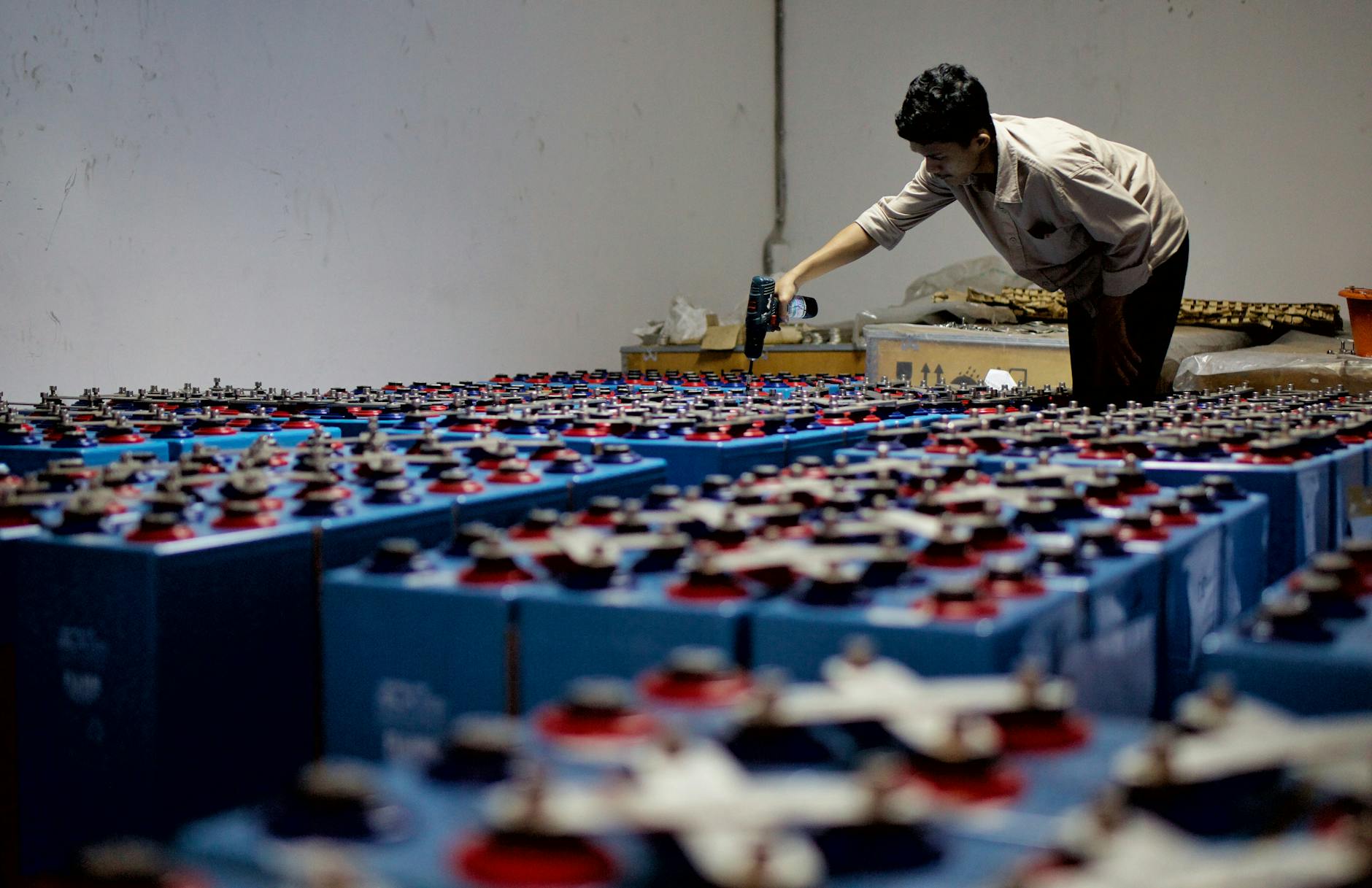
Georgia Power is planning a significant expansion of its electric grid to meet growing demand, driven by data centers and increasing electrification. Key to this expansion is a technical calculation known as Effective Load Carrying Capability (ELCC), which determines how much reliable power each energy source contributes. However, critics are concerned that Georgia Power’s current ELCC calculation for battery storage is unfairly low, making cleaner battery solutions appear less valuable than natural gas. This approach risks skewing future energy choices, potentially locking in more fossil fuel infrastructure and increasing climate-warming emissions, rather than accelerating the shift to sustainable energy solutions.
Georgia Power, the state's largest utility, is planning a major expansion of its electricity grid, aiming to add thousands of megawatts of capacity by 2033. To decide which energy projects count, the utility uses a method called Effective Load Carrying Capability, or ELCC. Simply put, ELCC measures how much reliable power a particular energy source, like solar or natural gas, can consistently deliver to the grid. This calculation has become more complex with renewable energy, as the sun isn't always shining and the wind isn't always blowing, making it trickier to assess their reliable contribution without storage. The Union of Concerned Scientists has called ELCC a critical concept for understanding renewable energy.
Historically, battery storage has been highly valued in these calculations, sometimes counting for up to 95 percent of its capacity. But for the upcoming expansion, Georgia Power has drastically lowered the ELCC for battery storage to just 20 percent. This means a new 1,000-megawatt battery project would only count for 200 megawatts of reliable capacity, while a similar-sized natural gas plant, often with an 80 percent ELCC, would count for 800 megawatts. This change significantly disadvantages battery storage when competing against fossil fuels like natural gas.
Environmental advocates and energy experts are calling this shift a "thumb on the scale for gas." They argue it makes battery storage artificially less attractive and more expensive, even though recent analyses show that clean energy solutions, like solar paired with batteries, can be very competitive, and often cheaper, than new natural gas generation. The urgency of transitioning to clean energy means these calculations have real-world impacts on our climate future.
If this trend continues, Georgia Power's grid expansion could heavily favor natural gas once again. Previous expansions have already added thousands of megawatts of gas capacity, contributing millions of tons of carbon dioxide emissions annually—equal to emissions from millions of cars. Locking in more fossil fuel generation for decades goes against the critical need for environmental action and robust climate solutions, making it harder to protect our planet for future generations. Embracing electrification and sustainable alternatives is essential.
The utility is currently reviewing proposals, with the low ELCC for batteries still in place. While Georgia Power maintains its evaluation process is consistent, environmental groups like the Southern Environmental Law Center are actively challenging this calculation and plan to continue advocating for a fair assessment of clean energy resources. The final decisions on which projects move forward are expected early next year, and the long-term energy landscape of Georgia, and its environmental footprint, hang in the balance.