Georgia's Summer Heat: Thousands face a hidden threat at home

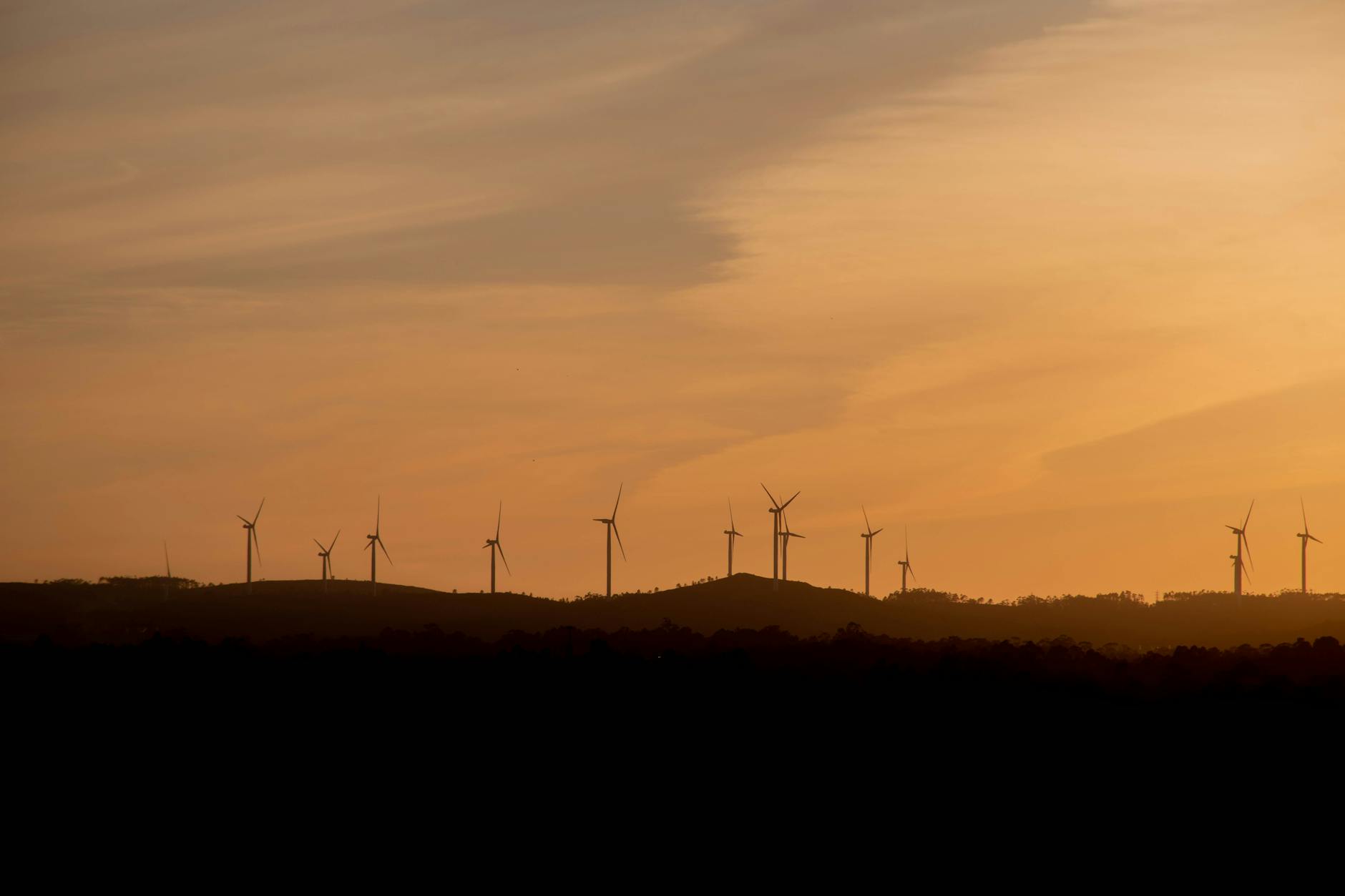
In Georgia, the brutal summer heat brings a hidden danger: frequent electricity disconnections for thousands of households. As temperatures soar, many families struggle with rising power bills, leading to shutoffs that leave homes stifling and unsafe. Georgia Power, the state's largest utility, reports some of the highest disconnection rates nationally, a problem exacerbated by increased energy costs and the growing demand for air conditioning. This crisis highlights the urgent need for sustainable solutions and support, especially as climate change promises even hotter summers, making access to cooling a matter of health and survival.
When the power goes out during a Georgia summer, the heat builds fast, feeling "like you’re boiling like crab legs" for people like Donica Odell. She's one of many Georgia Power customers facing frequent electricity disconnections, a struggle that intensifies as temperatures rise.
Georgia Power, the state’s largest utility, reports some of the highest disconnection rates in the country. In 2024, nearly 190,000 customers faced shutoffs, and residential disconnection events topped 273,000 in 2025, according to the Energy and Policy Institute and the utility's parent company, Southern Company. These numbers often include repeat shutoffs, but they paint a clear picture of widespread struggle.
Customers have seen higher electricity bills following the completion of the Plant Vogtle nuclear facility and increasing energy demand from new data centers. During the summer, these pressures are compounded as households rely heavily on air conditioning to combat extreme heat, pushing bills to hundreds of dollars more than in winter months.
For families, losing power isn't just an inconvenience; it's a danger. Food spoils, homes become unbearable, and remote work becomes impossible. Donica, for example, has had to miss work due to outages. Programs like Georgia Power’s PrePay aim to help customers manage debt, but they can also lead to multiple disconnections a month if balances drop, even during dangerous heat waves when standard customers are temporarily protected.
This cycle is set to worsen as climate change brings hotter, longer summers. A study of low-income households in California found that each additional day above 95 degrees increased electricity expenses and the risk of disconnection. Researchers project that without intervention, the average risk of disconnection could rise by 12 percent by 2080-2099, highlighting how intertwined climate action and social well-being truly are. Investing in sustainable energy and supporting families can help break this brutal cycle.
Georgia isn't alone; utilities across the Southeast face similar challenges, with the region home to the highest disconnection rates in the nation. For individuals like Donica, who now checks her electricity balance daily, this financial uncertainty creates constant anxiety. As our planet warms, ensuring everyone has access to affordable, reliable, and clean energy becomes even more critical for health, safety, and peace of mind.