Global Carbon Market Expands: What It Means for Green Energy

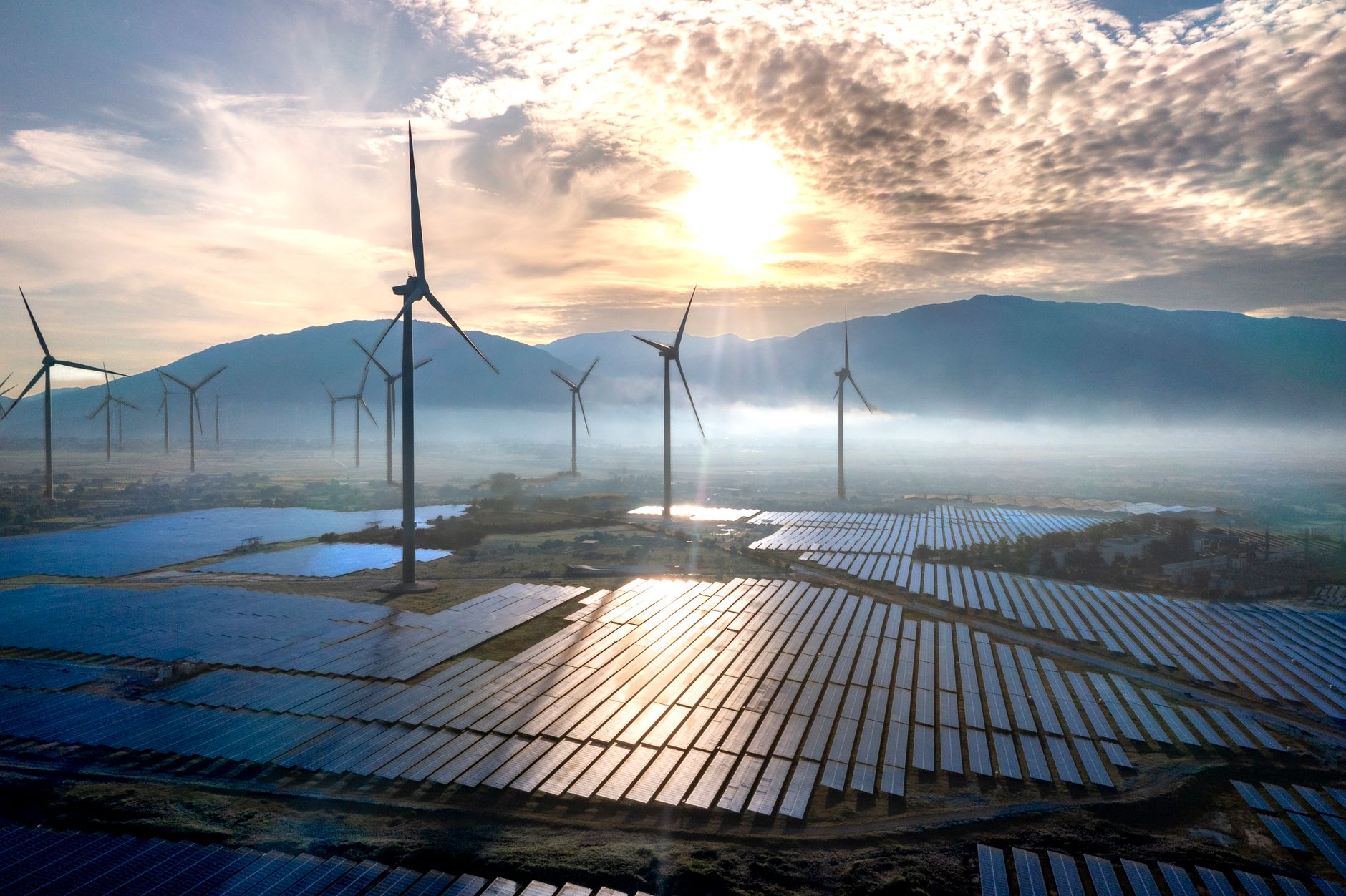
Carbon markets are expanding with renewable energy now eligible under the UN's Article 6.4 mechanism, crucial for tripling global renewable capacity by 2030 and staying within the 1.5°C warming limit. Ethiopia has also made significant strides, becoming the first country to issue verified forest carbon credits under a World Bank program, totaling 14.9 million tCO₂e. These developments signify strong global commitment to climate action. Simultaneously, efforts to standardize carbon accounting through a unified GHG Protocol and ISO standard, alongside digital taxonomy updates from ISSB, aim to boost transparency for investors.
The global push for a greener future just got a major boost. The UN's carbon market under the Paris Agreement's Article 6.4 now officially includes grid-connected renewable energy projects. This means more financial support for developing nations to embrace clean power, helping us reach critical global goals like tripling renewable energy capacity by 2030 and keeping the 1.5°C climate target alive. It's a clear signal: investing in clean energy is now more vital and financially viable than ever.
In a landmark move, Ethiopia has become the first country to issue verified emission reductions for its forests under the World Bank's BioCarbon Fund Initiative. This program, designed to create high-integrity carbon markets, saw Ethiopia register 14.9 million tonnes of CO₂ equivalent, with 12.4 million available for trade. This achievement reflects over a decade of dedication from local communities and government, providing new funding opportunities for crucial forest protection and demonstrating how collective action can drive robust climate results. Protecting our planet's forests is paramount in the fight against climate change.
To ensure all these efforts are tracked consistently, major players are working together. The GHG Protocol, a global standard for emissions accounting, and ISO are teaming up to create a single, unified global standard for corporate carbon reporting. This move, along with updates to digital reporting by the ISSB, aims to bring much-needed transparency and accuracy to environmental disclosures for investors, reinforcing the credibility essential for climate transition.
Meanwhile, Brazil is making progress on its own emissions trading system, opening a public consultation on monitoring, reporting, and verification (MRV) obligations. This will gradually bring different economic sectors into the system, showcasing a national commitment to managing emissions. On a positive note for nature, a recent study reveals the Atlantic Forest gained an impressive 1.67 million hectares of native vegetation between 2011 and 2021, highlighting the power of large-scale restoration efforts and the resilience of our ecosystems.
Looking ahead, global climate innovation is taking center stage. Following Brazil’s AgriZone at COP30, Turkey is hosting a Startup Zone at COP31 later this year, dedicated to bringing together climate startups and investors. This highlights the growing recognition that entrepreneurial spirit and sustainable investments are key to accelerating the global transition to a low-carbon economy and finding innovative solutions to our most pressing environmental challenges.