Global Carbon Market Expands: What It Means for Our Planet?

Major strides are being made in global climate action as the UN carbon market now includes renewable energy projects, offering crucial support to developing nations. Ethiopia has achieved a significant milestone, issuing its first verified carbon credits for forest protection, setting a precedent for high-integrity climate finance. Simultaneously, leading organizations are working to unify global carbon accounting standards, enhancing transparency and strengthening our collective fight against climate change. These developments underscore a growing global commitment to sustainable solutions and a greener future.
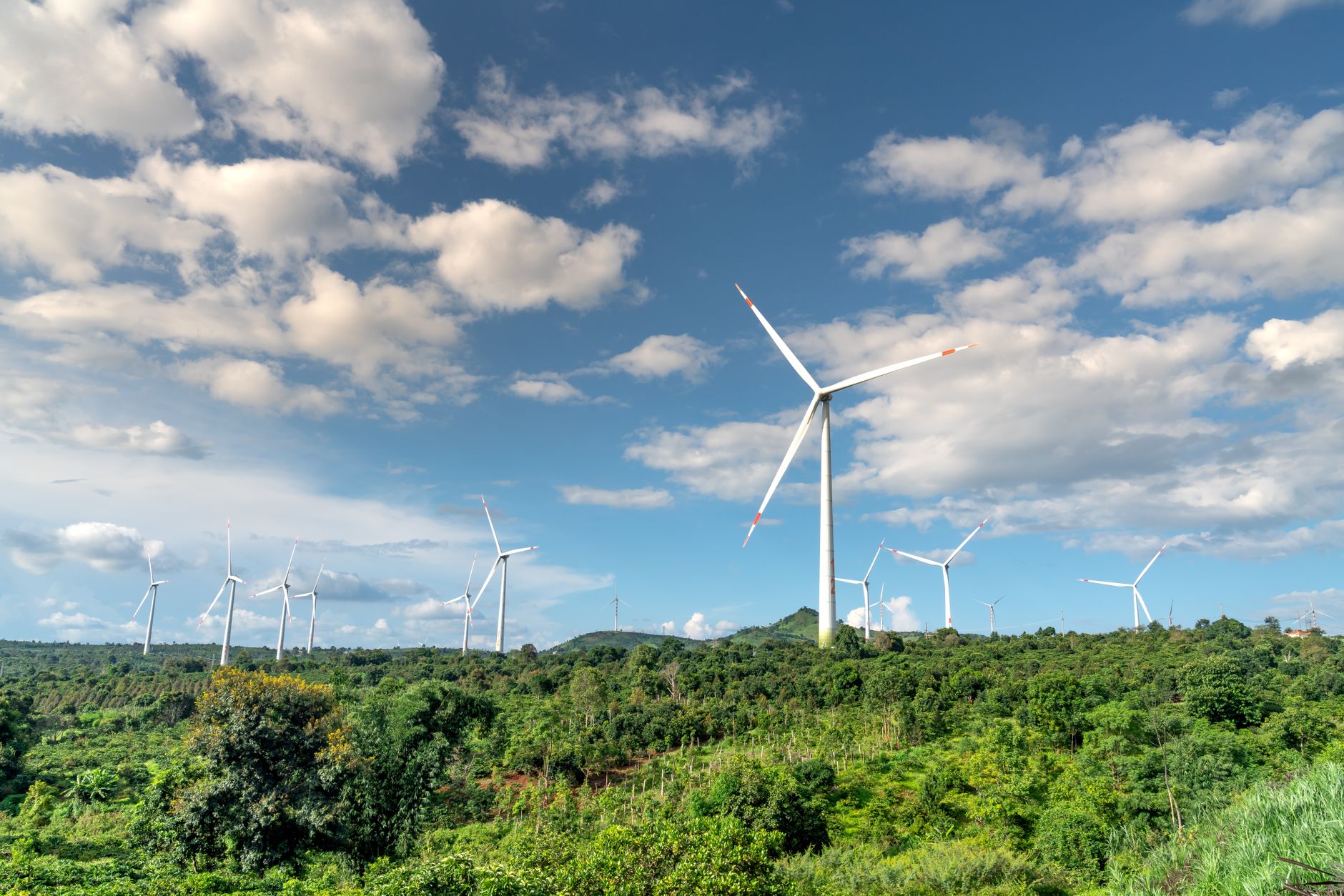
The UN carbon market is expanding its reach by adopting a new approach that allows grid-connected renewable energy projects to earn carbon credits. This move is vital for making green energy projects financially viable in many countries, directly supporting the ambitious global goals of tripling renewable capacity by 2030 and keeping the 1.5°C warming limit within reach. This expansion is a significant step towards a cleaner, more sustainable energy future, emphasizing the benefits of electrification over fossil fuels.
Adding to this global momentum, Ethiopia has successfully issued its first verified emission reductions, totaling nearly 15 million tons of carbon dioxide equivalent, under the World Bank’s Initiative for Sustainable Forest Landscapes (ISFL). This landmark achievement reflects over a decade of dedication from the government, partners, and local communities, establishing a robust model for protecting vital forest ecosystems and generating climate finance.
In a move to improve how greenhouse gas emissions are tracked, the GHG Protocol and ISO are joining forces to create a single, harmonized global standard for carbon accounting. This collaboration aims to boost transparency and credibility in corporate emissions reporting, making it easier for everyone to understand and trust climate data. Clear and consistent accounting is crucial for guiding effective climate action.
Further enhancing transparency, the ISSB has proposed an update to its digital taxonomy for sustainability disclosures. This change will improve how companies digitally present their greenhouse gas emissions, making environmental information more accurate and comparable for investors. Better data helps steer investments toward sustainable businesses, highlighting the importance of clear environmental reporting for accelerating climate solutions.
Brazil is also making waves, with its government opening a public consultation on reporting requirements for its Emissions Trading System. Meanwhile, a recent study highlighted a remarkable gain of 1.67 million hectares of native vegetation in Brazil's Atlantic Forest between 2011 and 2021, showcasing the power of large-scale restoration efforts and the ongoing fight to protect our planet’s vital biodiversity.
Looking ahead to COP31, Turkey is set to launch a dedicated "Startup Zone" to showcase climate innovation, following Brazil's "Agrizone" at COP30. This initiative highlights the critical role entrepreneurs and investors play in developing and scaling the sustainable solutions needed for a global climate transformation, demonstrating how innovation can drive environmental progress.