Global Carbon Markets Boom: What's Driving Billions in Climate Action?

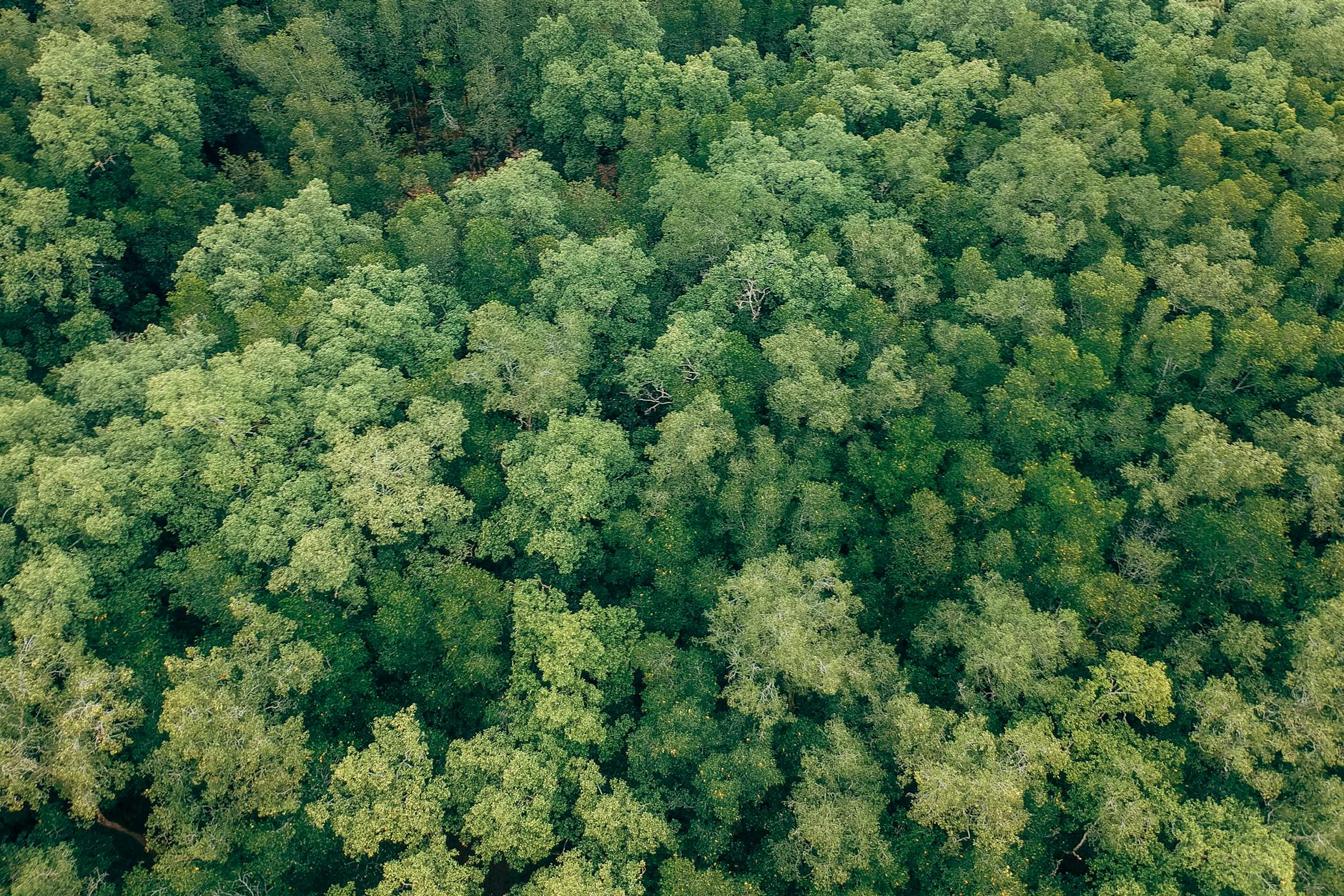
The global push for climate action is accelerating, with carbon markets seeing significant expansion and new commitments to reduce harmful emissions. The UK reports that voluntary carbon markets already exceed US$2 billion annually and could multiply 15 times by 2030, highlighting the urgent need for stricter standards to prevent greenwashing. Meanwhile, nations like Canada, India, and Brazil are rolling out ambitious plans, from slashing methane emissions in the oil and gas sector to launching massive carbon inventory projects. These worldwide efforts underscore a critical moment for protecting our planet and fostering a sustainable future.
Around the world, carbon markets are growing rapidly, acting as a key tool in our fight against climate change. The United Kingdom has noted that voluntary carbon markets alone now exceed US$2 billion each year, with potential to grow 15-fold by 2030. This growth highlights the importance of strong rules and clear guidance to ensure these markets truly help the environment and avoid "greenwashing." Similarly, Congo is moving to turn its vast natural forests, which absorb a lot of carbon, into a source of income to fund its climate goals, backed by careful oversight.
Other countries are also making significant moves. India recently launched its Carbon Markets Portal, creating a transparent and digital platform for trading carbon credits, with transactions expected soon. Paraguay is positioning itself as a leader in the green economy, leveraging its abundant renewable energy and forest cover to become a regional hub for carbon credit generation. Brazil is advancing with forest concessions, like the 51,200-hectare Bom Futuro National Forest project, aimed at restoring nature and generating carbon credits over 40 years. These nature-based solutions are vital for both the economy and the planet's health.
Beyond carbon markets, there's progress on reducing potent greenhouse gases. Canada and Alberta have agreed to dramatically cut methane emissions from the oil and gas sector by 75% by 2035, a crucial step for decarbonizing this industry. In Brazil, Shell, Petrobras, and CCARBON/USP are collaborating on "Carbon Countdown," the country's largest-ever carbon inventory. This R$100 million project will scientifically map carbon stocks across all Brazilian biomes, providing essential data for effective climate policies. These initiatives highlight the urgency of addressing global warming through a mix of market mechanisms, direct emissions reductions, and robust scientific understanding.
Opportunities are also emerging for those looking to contribute to these efforts. For example, there's a strategic vacancy for an expert to help 16 Caribbean countries implement Article 6 of the Paris Agreement, which deals with international carbon cooperation. Consultations are also open for new methodologies, like SCM0003 v2.0, which aim to improve the scientific integrity of carbon removal projects. Furthermore, the North American SAF Conference & Expo is seeking proposals on sustainable aviation fuels, showcasing the diverse approaches being taken to build a cleaner, more sustainable future for everyone.