Global Carbon Markets See Big Shift: What's Next for Climate?

The global effort to combat climate change is gaining momentum with significant advancements in carbon markets and emissions reduction technologies. The Paris Agreement's Article 6.4 mechanism is operationalizing rapidly, seeing its first credit issuances and a strong focus on environmental integrity. Nations like Kenya are setting strategic guidelines to expand their role in carbon markets, attracting investment and aligning with national climate goals. Europe is also pushing forward, with the Netherlands launching its largest carbon capture and storage project, while Sweden commits substantial funds to bio-CCS, underscoring a critical "no storage, no payment" rule to ensure effective CO2 removal. These actions highlight the urgent push towards sustainable solutions and a net-zero future.
The Paris Agreement's Article 6.4 mechanism is making significant strides, crucial for global climate efforts. An annual UNFCCC report highlights progress, including the first issuance of carbon credits and allowing hundreds of older projects to transition to the new system. This focus on environmental integrity and robust tracking is essential to building a credible global carbon market, offering vital recommendations for future climate discussions at COP31.
Further boosting climate action, Kenya has released strategic guidelines to strengthen its role in carbon markets. This initiative, presented by the Ministry of Environment, Climate Change and Forestry at an event, aims to attract investment in carbon reduction projects, especially in renewable energy and sustainable transport, ensuring alignment with Kenya's national climate goals. It's a key step for developing nations to access climate finance and technology.
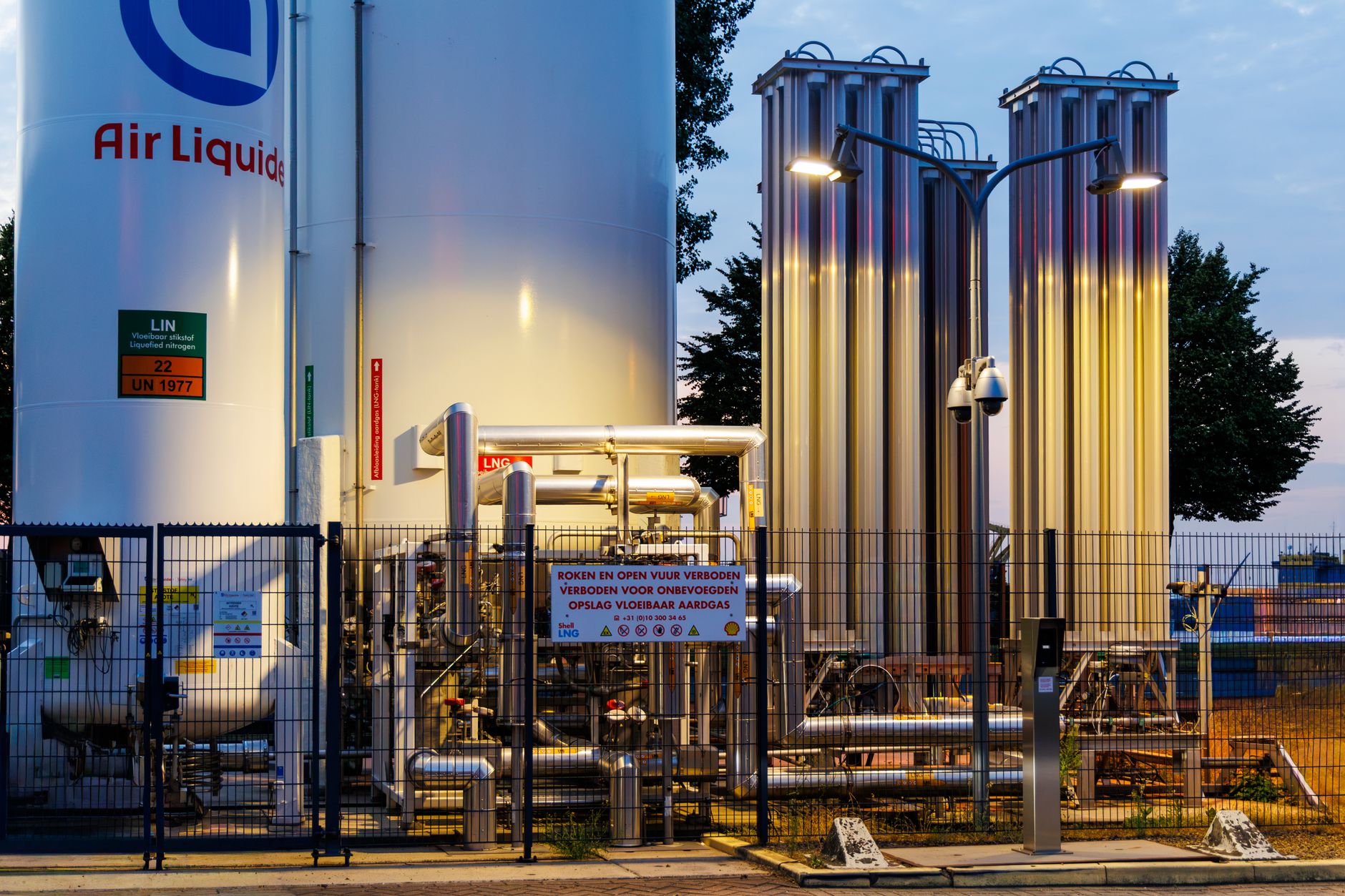
In Europe, a monumental step has been taken with the launch of the Yara Sluiskil plant in the Netherlands, now Europe's largest commercial carbon capture and storage (CCS) project. This facility will capture up to 800,000 tonnes of CO₂ annually from ammonia production, with plans to store approximately 12 million tonnes over the next 15 years. This industrial decarbonization effort demonstrates tangible progress in tackling hard-to-abate emissions and is vital for achieving climate targets.
Meanwhile, Sweden has committed a substantial US$ 840 million to bio-CCS projects, with a groundbreaking "no storage, no payment" rule. This innovative approach ensures that funds are only disbursed once CO₂ from biomass has been effectively and permanently stored in geological formations, highlighting the urgent need for credible carbon removal solutions to achieve net-zero and even negative emissions. These projects are crucial for strengthening the carbon removal market and speeding up our journey towards a sustainable future.
Beyond these major developments, an Article 6 Implementation Status Report 2026 shows that 91% of national climate plans intend to use Article 6 mechanisms, backed by 113 bilateral agreements and nearly 9,000 active carbon credit projects globally. Efforts to enhance sustainability reporting by the ISSB and ESMA are also gaining traction, ensuring clearer financial insights into environmental risks and opportunities for investors. These combined efforts underline a global commitment to environmental protection and collective climate action.