Global Carbon Markets Shake-Up: What It Means for Our Climate Future

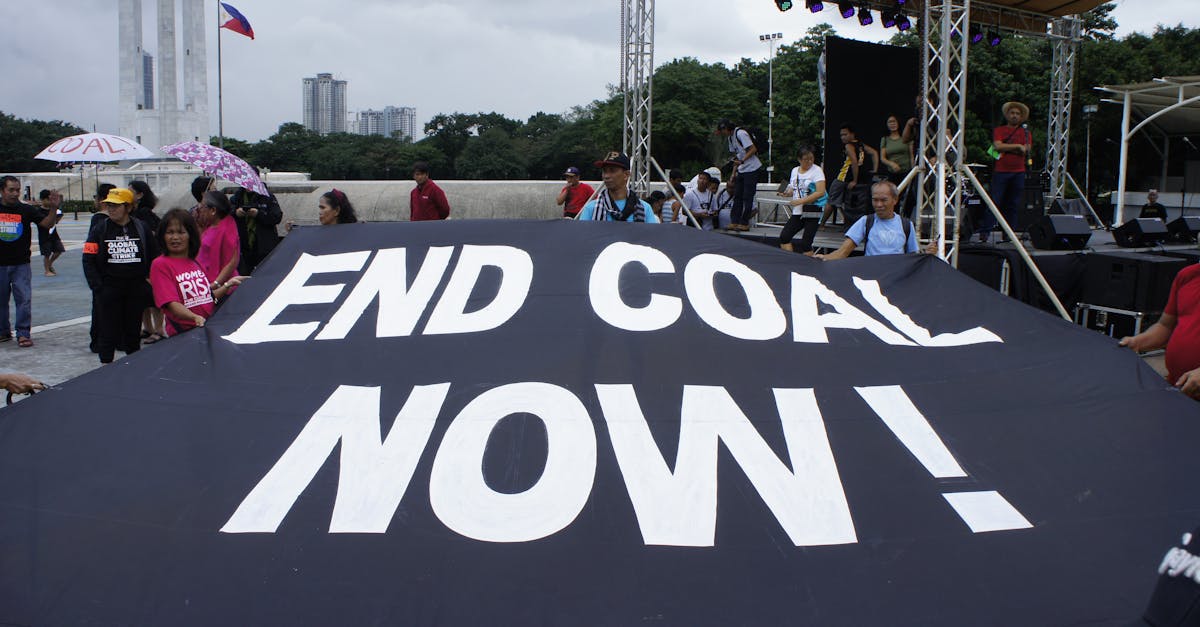
The world is accelerating its response to climate change, with major advancements in carbon markets and clean energy initiatives. Recent COP30 decisions have clarified rules for international carbon trading, while new partnerships aim to boost climate finance. From significant investments in green hydrogen to protecting vital blue carbon ecosystems, these collective efforts underscore a growing global commitment. This progress is crucial for transitioning away from fossil fuels and securing a sustainable future for our planet.
Global efforts to tackle climate change are gaining serious momentum, with countries working together to reduce harmful emissions. Key decisions from the COP30 climate conference are helping to shape how nations can trade carbon credits, enabling faster and more effective action against warming. These frameworks, known as Article 6.2 and 6.4, are designed to make it easier for countries to cooperate on cutting emissions and transition from older carbon credit systems to more modern, transparent ones. The goal is clear: empower nations to meet their climate targets with greater impact.
Several countries are taking bold steps to make this happen. Singapore, for instance, has teamed up with leading carbon credit programs, Verra and Gold Standard, to launch a new protocol that streamlines how these credits are managed. This simplifies the process, making it easier for climate projects to get funding. Meanwhile, the European Union is pouring a massive €6 billion into green hydrogen and other innovative net-zero technologies, a move that will significantly accelerate the shift away from fossil fuels and towards clean, sustainable energy sources. These investments highlight a shared vision for a cleaner, healthier future.
Beyond market mechanisms, a range of initiatives are strengthening our environmental protection efforts. Organizations like Cercarbono are developing new ways to value and protect “Blue Carbon” ecosystems—like mangroves and seagrass beds—which are vital for absorbing carbon and safeguarding coastlines. The UNFCCC is also seeking public input on methods to manage savanna fires, reducing harmful greenhouse gases. Tools from Climate TRACE help pinpoint where emissions are coming from, making it easier to find solutions, while groups like GRI and ISSB are working to ensure companies accurately report their environmental impact, holding them accountable to net-zero goals. Together, these tools help steer us toward a more sustainable and transparent global economy.
This week’s updates reflect a powerful, united front against climate change. From refining carbon markets to investing in cutting-edge clean energy, the world is moving decisively. Colombia’s announcement of an international conference focused on phasing out fossil fuels is a particularly strong signal, reminding us of the urgent need to transition to a future powered by clean, renewable energy. Every step we take, from global policy to local action, plays a crucial role in protecting our planet.