Global Carbon Markets Surge: What's Fueling New Climate Efforts?

The global push for climate action is accelerating, with significant developments shaping carbon markets and international cooperation. Türkiye has launched its new national carbon market, the TR ETS, while Singapore is strengthening its role as a regional hub for carbon credits, aiming to drive down emissions. Meanwhile, the Pre-COP31 gathering in Fiji and Tuvalu brought forth urgent calls from vulnerable nations, emphasizing the critical need for concrete action and financial support to combat the escalating climate crisis. These worldwide efforts underscore a shared commitment to building a more sustainable future.
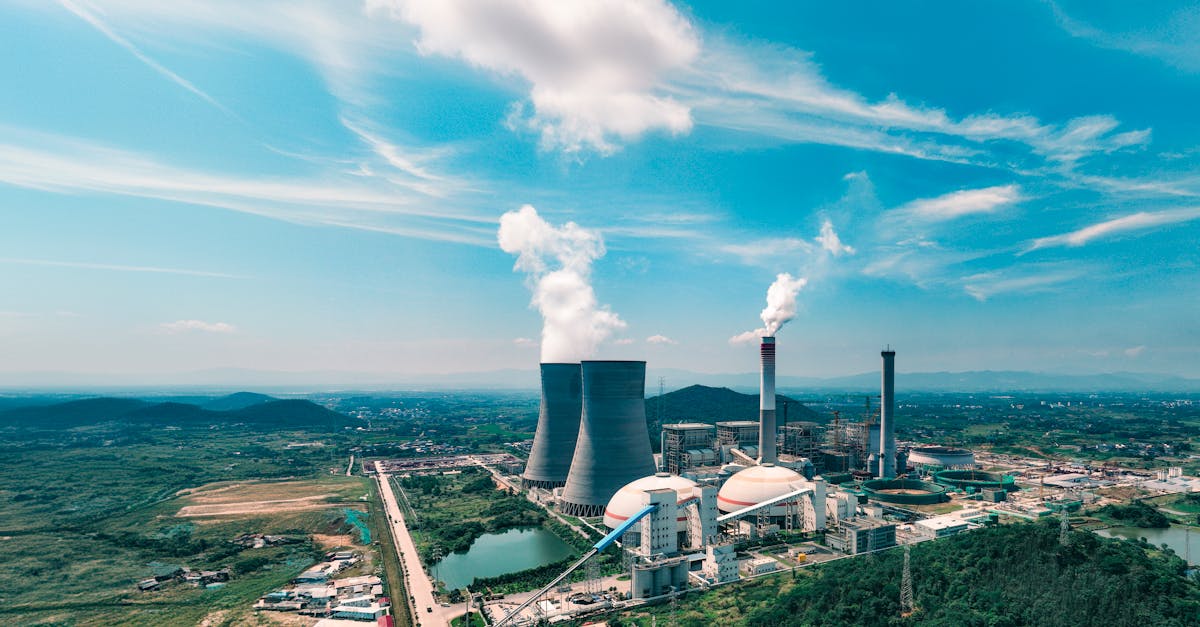
Nations across the globe are stepping up their efforts to tackle climate change, particularly through the expansion of carbon markets. Türkiye recently launched its Emissions Trading System (TR ETS), a new national carbon market designed to manage and reduce emissions from key industrial sectors like electricity generation, cement, and steel. This system is set to begin its pilot phase in 2026, with full implementation by 2028, marking a crucial step in the country's commitment to cutting carbon pollution.
At the same time, Singapore is cementing its position as a leading hub for carbon credits in Asia. Through initiatives like "Blue Catalyst" and new financial grants, the Singapore Economic Development Board is fostering innovation and investment in high-quality carbon projects, especially those aligning with international climate agreements. This move not only expands Singapore's green economy but also helps channel funding towards projects that actively remove or reduce carbon from our atmosphere, highlighting the growing importance of clean solutions.
The urgency of climate action was powerfully highlighted at the Pre-COP31 meeting, held in the Pacific island nations of Fiji and Tuvalu. Leaders from over 100 countries gathered, hearing firsthand accounts of how rising sea levels and extreme weather are already impacting vulnerable communities in places like Tuvalu. Participants adopted the Taku Pakasoa Declaration, a collective promise to prioritize concrete climate measures, value indigenous knowledge, and protect the oceans. This gathering served as a stark reminder that global warming demands immediate and tangible results, not just promises, emphasizing the need for robust international cooperation and financial aid for those on the front lines.
To support these efforts, organizations are working to build trust and certainty in carbon markets. The International Emissions Trading Association (IETA) is proposing mechanisms to protect companies using high-integrity carbon credits from legal risks, encouraging more businesses to invest in emissions reductions. In Brazil, a timeline has been set for its own national carbon market, which will require industrial sectors to start monitoring their emissions. Australia, too, is focusing on ensuring the reliability of carbon credits and regulatory stability to speed up its journey to net-zero emissions. These steps are vital for mobilizing the widespread investment and participation needed to transition to a cleaner, more sustainable world.