Global Carbon Markets Take Big Leap. What Does It Mean?

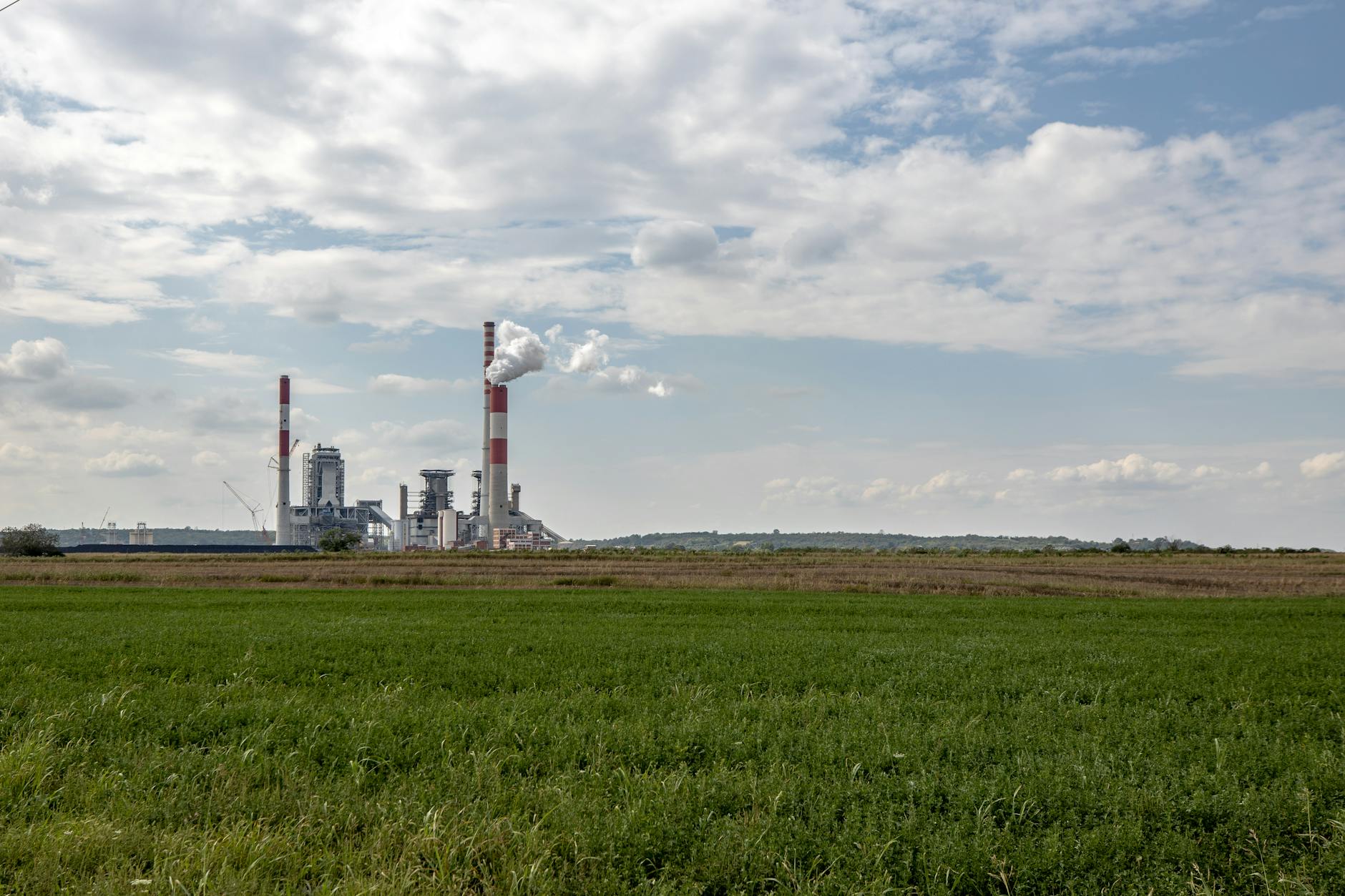
In a pivotal period for global climate action, carbon markets are seeing significant progress, driven by the Paris Agreement's Article 6. This framework is fostering international cooperation, with the first carbon credits now issued and a clearer path for existing projects to transition. Meanwhile, major investments in carbon capture technology are taking off in Europe, signaling a serious commitment to making industries cleaner. Countries like Kenya are also stepping up, creating strategic guidelines to harness carbon markets for sustainable growth, underscoring a worldwide push for impactful environmental solutions.
The global effort to combat climate change is gaining significant momentum, particularly through the Paris Agreement's Article 6. A recent report from the UNFCCC highlights the approval of the first carbon credit emissions under Article 6.4, along with the successful transition of many older projects into this new, more robust system. This structured framework is designed to ensure environmental integrity, ensuring carbon reductions are real and trustworthy, and strengthening the global carbon market. It offers a vital pathway for countries to meet their climate goals.
Kenya is also taking bold steps to use carbon markets for its national development and climate commitments. The country recently unveiled a comprehensive guide to strategically engage in these markets, setting clear rules for generating and transferring carbon credits. This move aims to attract crucial investments in sustainable projects like renewable energy and waste management, showcasing how emerging economies can use global mechanisms to protect their environment and foster growth.
Europe is making impressive strides in making its heavy industries cleaner. In the Netherlands, the largest commercial carbon capture and storage (CCS) project has begun operations, capturing 800,000 tons of CO₂ annually from ammonia production and storing it permanently in Norway. Not far away, Sweden has committed a massive US$840 million to bio-CCS projects. These initiatives are vital for reaching net-zero emissions, demonstrating how technology can remove carbon from the atmosphere and lock it away, preventing further global warming. This aggressive pursuit of carbon capture solutions is critical for industries struggling to reduce their footprint, paving the way for a cleaner, more sustainable future.
Beyond direct emission reductions, international efforts are also strengthening the backbone of sustainability. A recent report indicates that a vast majority of national climate plans (NDCs) now intend to use Article 6, backed by numerous bilateral agreements and thousands of active carbon credit projects globally. Furthermore, bodies like the ISSB and ESMA are pushing for clearer, more consistent sustainability reporting from companies, ensuring investors have the information needed to support environmentally responsible businesses. These interconnected actions underline a collective, urgent drive to safeguard our planet, emphasizing that every step, from policy to technology, matters in our fight against climate change.