Global Carbon Solutions Surge: What's Driving Change?

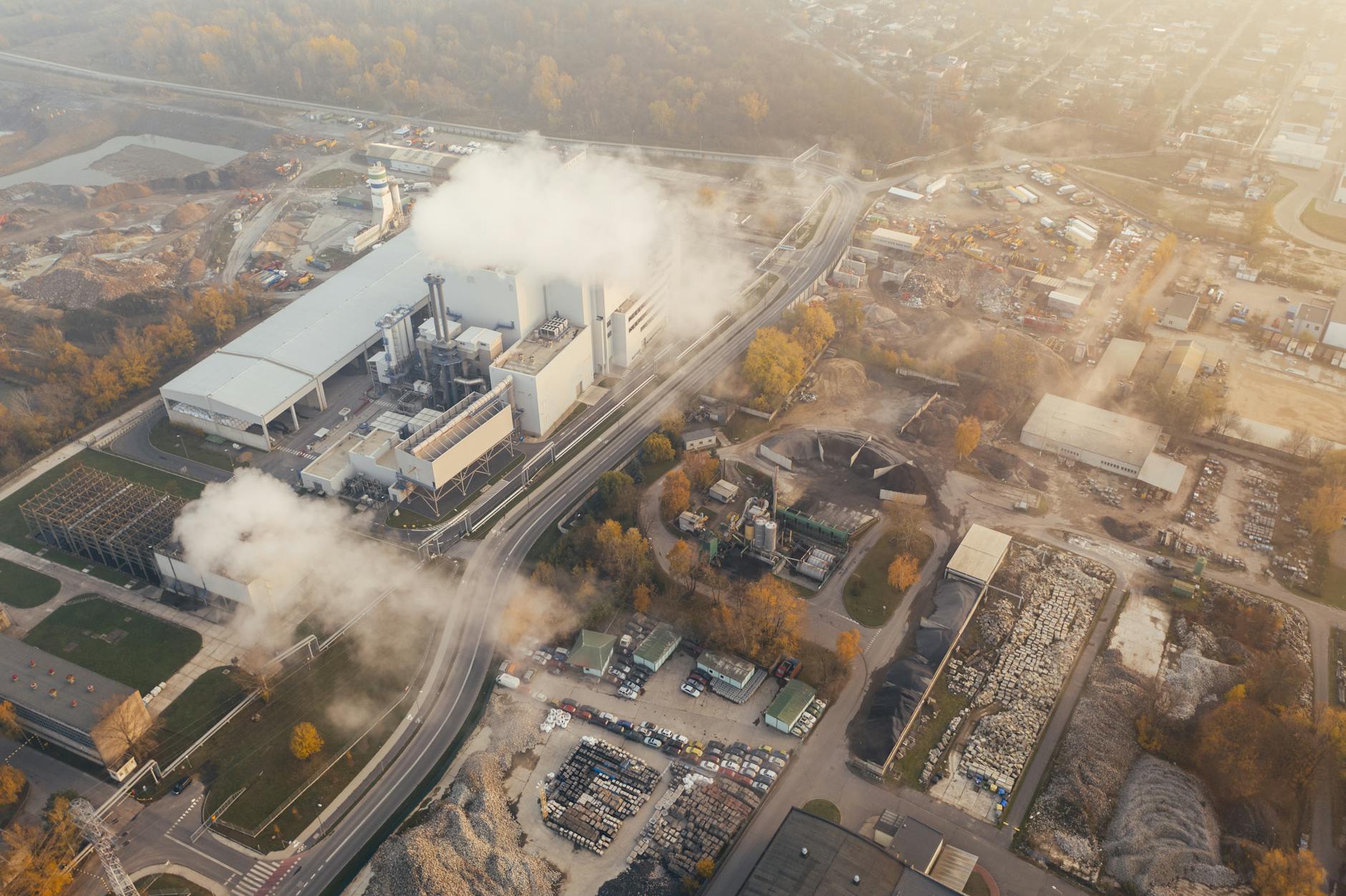
The global effort to combat climate change is gaining significant momentum, with major advancements unfolding across continents. From Asia's burgeoning carbon markets to Brazil's innovative carbon capture frameworks and Europe's bold decarbonization investments, the push for sustainable solutions is accelerating. These developments underscore a crucial global commitment to reducing emissions and fostering a cleaner, more resilient future, showcasing how diverse strategies are converging to tackle climate urgency.
Around the world, nations and regions are stepping up their efforts to tackle climate change, driven by a clear understanding of the urgency involved. New policies and technologies are rapidly transforming how we approach carbon emissions, paving the way for a more sustainable future.
In Asia, Hong Kong is rapidly emerging as a vital hub, bridging China's vast carbon credit markets with international investors. This connection is creating innovative financial tools, like carbon derivatives, that help scale climate action funding globally. The goal is to build a transparent system that can connect investors worldwide to the planet's largest emissions market, which is crucial for directing capital towards green initiatives, as highlighted by a recent FOW analysis.
Meanwhile, Brazil has launched a groundbreaking framework for Carbon Capture and Storage (CCS) and Carbon Capture, Utilization, and Storage (CCUS). This new system, established by Decree No. 13.095/2026, allows captured CO₂ to be safely stored deep underground in geological reservoirs, ensuring long-term removal from the atmosphere. By integrating these permanent CO₂ removals into Brazil's carbon market, the nation is making significant strides in its commitment to environmental protection and reducing its carbon footprint. This initiative also promotes shared infrastructure, making industrial decarbonization more efficient.
Europe is also at the forefront of this green transition. Germany is bringing together experts to accelerate carbon removal technologies, including direct air capture and hydrogen-based solutions, which are vital for achieving climate neutrality. The European Union has further committed €5 billion through 'carbon contracts for difference' to help industrial sectors switch from fossil fuels to cleaner alternatives, aiming for drastic emission cuts of 50% within four years and 85% in fifteen years. This strong financial support underscores Europe's dedication to industrial decarbonization and strengthening its energy transition.
Looking to our oceans, marine CO₂ removal (mCDR) is gaining attention as a promising new technology for tackling carbon pollution. A recent World Economic Forum report highlights its potential for ocean regeneration and climate goals, but stresses the need for careful science and strong governance. Safeguards are essential to ensure these innovations don't harm marine life or coastal communities, emphasizing that environmental protection must go hand-in-hand with technological progress.
Further demonstrating global cooperation, countries like Mongolia and Palau have completed their first international carbon credit transfers, facilitated by Japan's Joint Crediting Mechanism. This helps other nations achieve their climate goals and expands renewable energy efforts. Indonesia's carbon market is also rapidly growing, with significant trading volumes reported by its financial authority, OJK. Meanwhile, the European Carbon Border Adjustment Mechanism (CBAM) is being highlighted by McKinsey as a way for businesses to turn emissions data compliance into a competitive advantage, showing how environmental regulations can drive value and sustainable practices. These combined actions showcase a unified global push toward a sustainable, decarbonized future.