Global Climate Action: Nations Finalize Key Steps on Carbon & Clean Energy

The global effort to combat climate change is accelerating, with significant progress made at COP31. Nations are moving from setting rules to implementing concrete actions, as seen in the Paris Agreement Crediting Mechanism's first approved emissions and groundbreaking clean energy agreements. These developments highlight a collective push towards practical solutions, demonstrating how international cooperation is vital for decarbonizing economies and securing a sustainable future. The urgency of transitioning to cleaner technologies and protecting our environment is clearly driving these initiatives.
The Paris Agreement Crediting Mechanism (PACM) is now actively translating climate commitments into real-world impact. At COP31, it was reported that 130 countries have designated their national authorities, and 39 activities previously under the Clean Development Mechanism have now registered under PACM. Crucially, the first four emission reduction requests have been approved, accounting for over 1.1 million tons of CO₂ equivalent. This progress shows a tangible shift from policy discussions to measurable reductions, reinforcing the importance of robust carbon markets in achieving global climate targets.
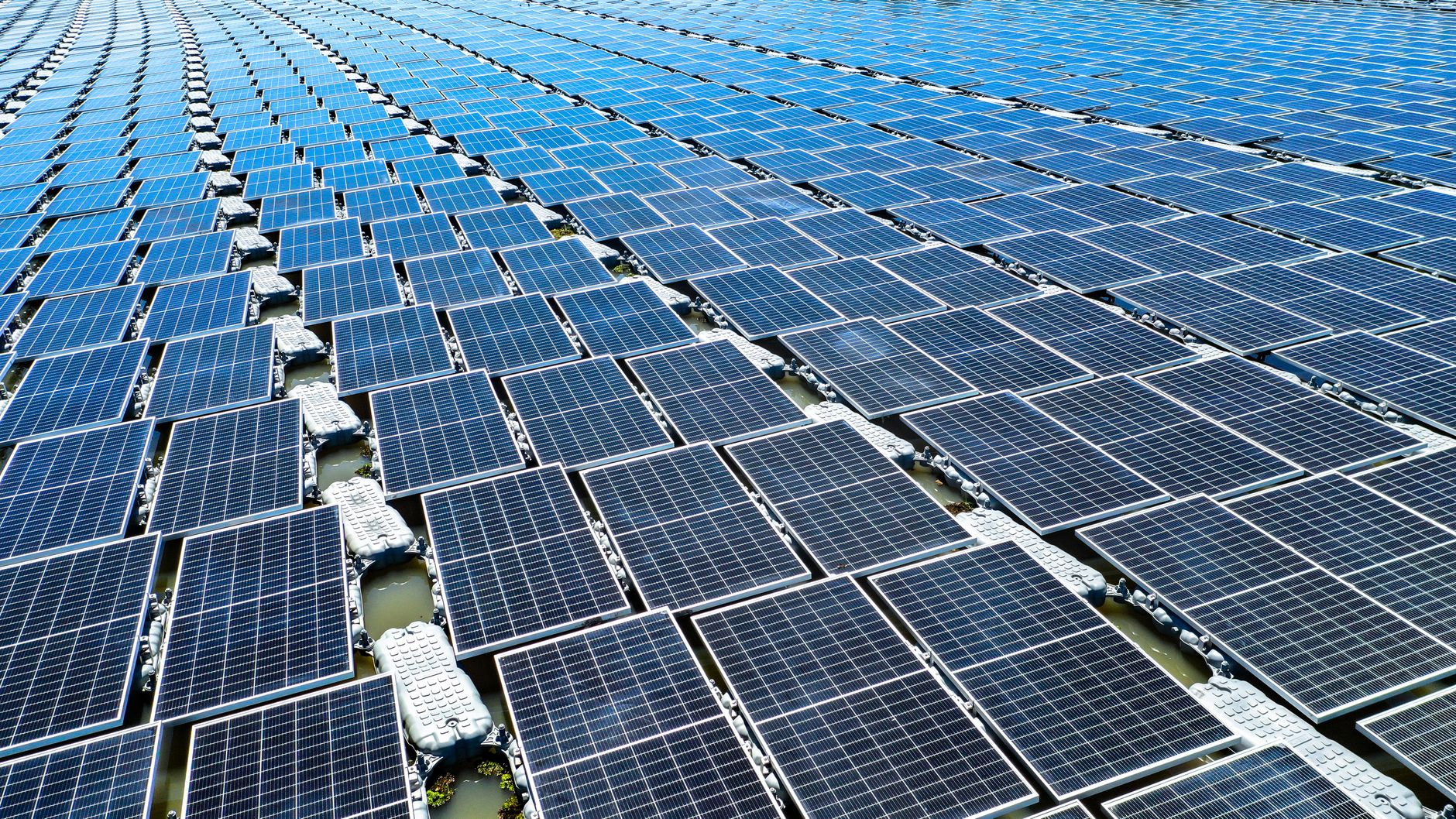
Further demonstrating this momentum, Indonesia and Norway have signed a landmark agreement under Article 6.2 of the Paris Agreement, focusing on floating solar energy projects. This deal, supported by Norway’s Article 6 Climate Action Fund, represents one of the largest Article 6.2 transactions to date, showcasing how international collaboration can accelerate the deployment of clean, electric solutions that outperform fossil fuels. Simultaneously, the UNIDROIT is nearing completion of its principles on the legal standing of Verified Carbon Credits, aiming to provide much-needed legal clarity and security for private carbon market transactions, which will foster greater investment and trust in these vital tools for climate action.
Beyond carbon markets, international partnerships are flourishing. California and Portugal forged a three-year alliance spanning offshore wind power, energy storage, forest fire prevention, and satellite-based carbon mapping. Such broad cooperation underscores the multifaceted nature of climate action, from expanding clean electrification to protecting natural carbon sinks. Meanwhile, Ethiopia, gearing up to host COP32, has opened its COP31 pavilion with a focus on practical solutions, climate finance, and investment, emphasizing the critical need to turn climate commitments into concrete, measurable actions. These combined efforts highlight the urgent, collective responsibility to safeguard our planet through sustainable choices and innovative solutions.
Regulatory frameworks are also evolving to support sustainability. The European Commission has launched a public consultation on auditing standards for sustainability reports under the Corporate Sustainability Reporting Directive (CSRD), seeking feedback until January 18, 2027. Similarly, the UK government is consulting on expanding its Carbon Border Adjustment Mechanism (CBAM) to include refinery products until January 20, 2027. These initiatives aim to increase transparency and accountability in emissions, ensuring that businesses contribute equitably to the global climate effort.