Global Conflict Exposes Hidden Cost of Everyday Plastics

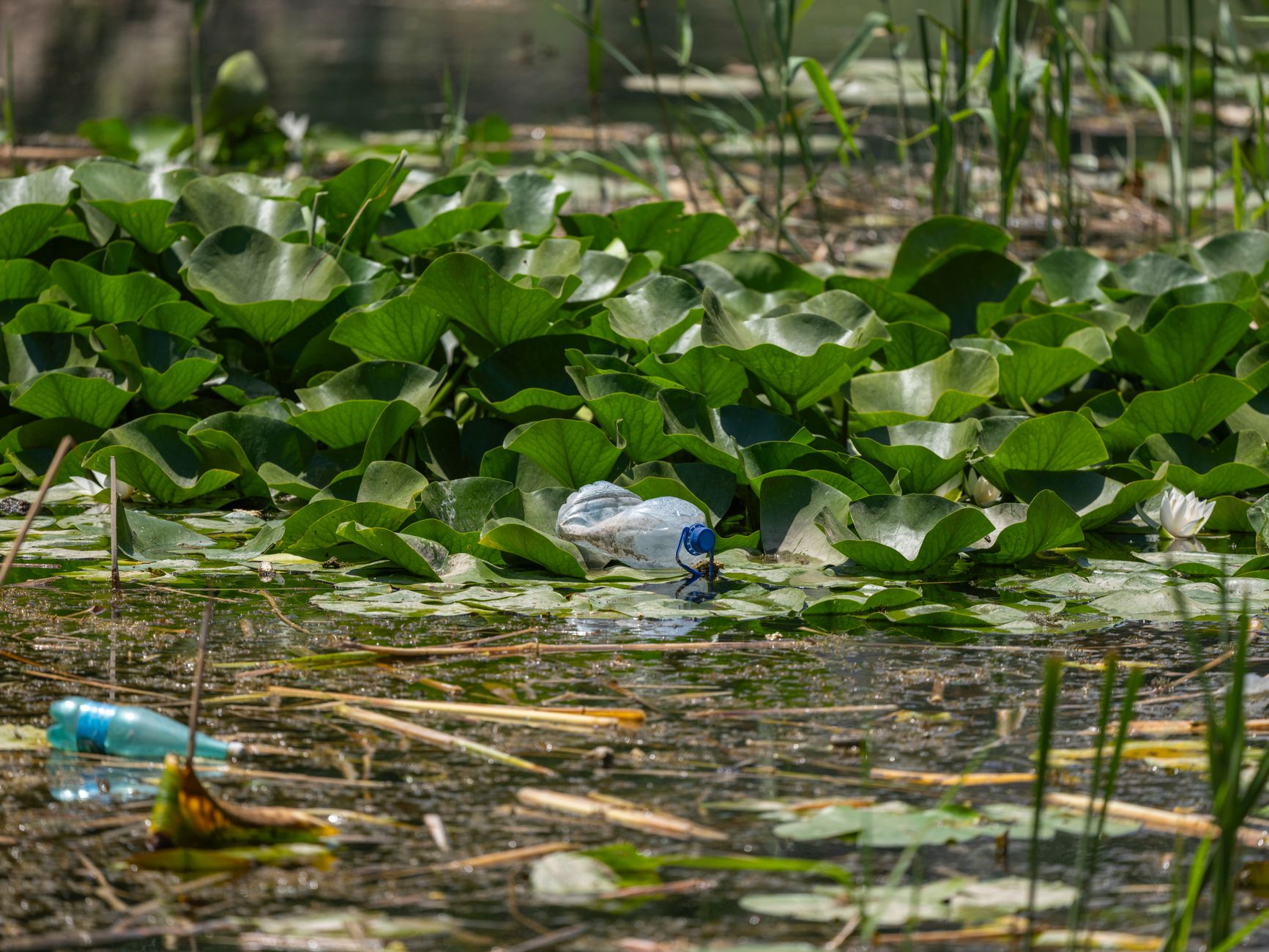
As global negotiators strive for a binding plastics treaty, recent conflict in Iran highlights the economic fragility tied to our reliance on fossil fuel-derived plastics. Key nations, particularly fossil fuel producers, continue to hinder efforts to limit plastic production, prioritizing waste management over comprehensive solutions. This standoff comes as the war exposed how disruptions in oil and gas supply chains directly impact prices for countless essential goods, underscoring the urgent need for sustainable alternatives and a robust global agreement to tackle plastic pollution.
Nations are currently in informal talks in Bangkok regarding a United Nations plastics treaty, but progress is slow. While over 70 developing countries and significant global markets advocate for tackling all aspects of plastic pollution, a small group of fossil fuel-producing nations continues to resist limits on plastic production. This bloc has previously blocked agreements due to the consensus-based negotiation process, allowing a minority to halt progress.
However, recent events, including military strikes in Iran, have exposed the economic vulnerability of relying so heavily on plastics. Market disruptions caused by the conflict led to increased prices for everything from gas and food to clothes and shoes. Key plastic components, like polyethylene, became scarce, driving up costs across nearly all retail sectors, as supply routes like the Strait of Hormuz were affected. This turmoil vividly demonstrates that basing essential supply chains on volatile fossil fuels creates economic instability, making a strong global treaty a path toward greater resilience.
Public support for such action is clear. A 2024 survey found that most people in ten countries, including major oil producers, support international limits on plastic production.
Plastics are deeply intertwined with what the United Nations calls the “triple planetary crisis” of climate change, pollution, and biodiversity loss. From its extraction to disposal, plastic production releases vast amounts of greenhouse gases, contributing significantly to global warming. For instance, making primary plastics alone generated about 2.24 gigatons of carbon dioxide equivalent in 2019, according to a 2024 analysis by Lawrence Berkeley National Laboratory. Beyond climate impact, the open burning of plastic, a growing concern in many regions, releases a toxic mix of chemicals and fine particles that endanger millions of lives annually. Moreover, plastic pollution harms ecosystems and countless species globally, with scientists warning that plastics pose a “grave, growing and under-recognized danger” to both human and planetary health, according to a 2025 Lancet policy paper.
Despite the urgency, the ongoing negotiations have faced criticism for a lack of transparency. Environmental advocates and scientists report being excluded from crucial informal discussions, leading to concerns that political decisions might override sound scientific advice. Without independent experts, there's a risk of misinformation swaying the debate, as some countries push for a treaty focused solely on waste management rather than reducing plastic production, which is projected to triple by 2060. This approach would overwhelm any waste management system, emphasizing why a comprehensive, legally binding treaty addressing the full life cycle of plastics is essential for a healthier, more stable future.