Global Conflict Pushes Asia to Coal, Revealing Energy Vulnerability

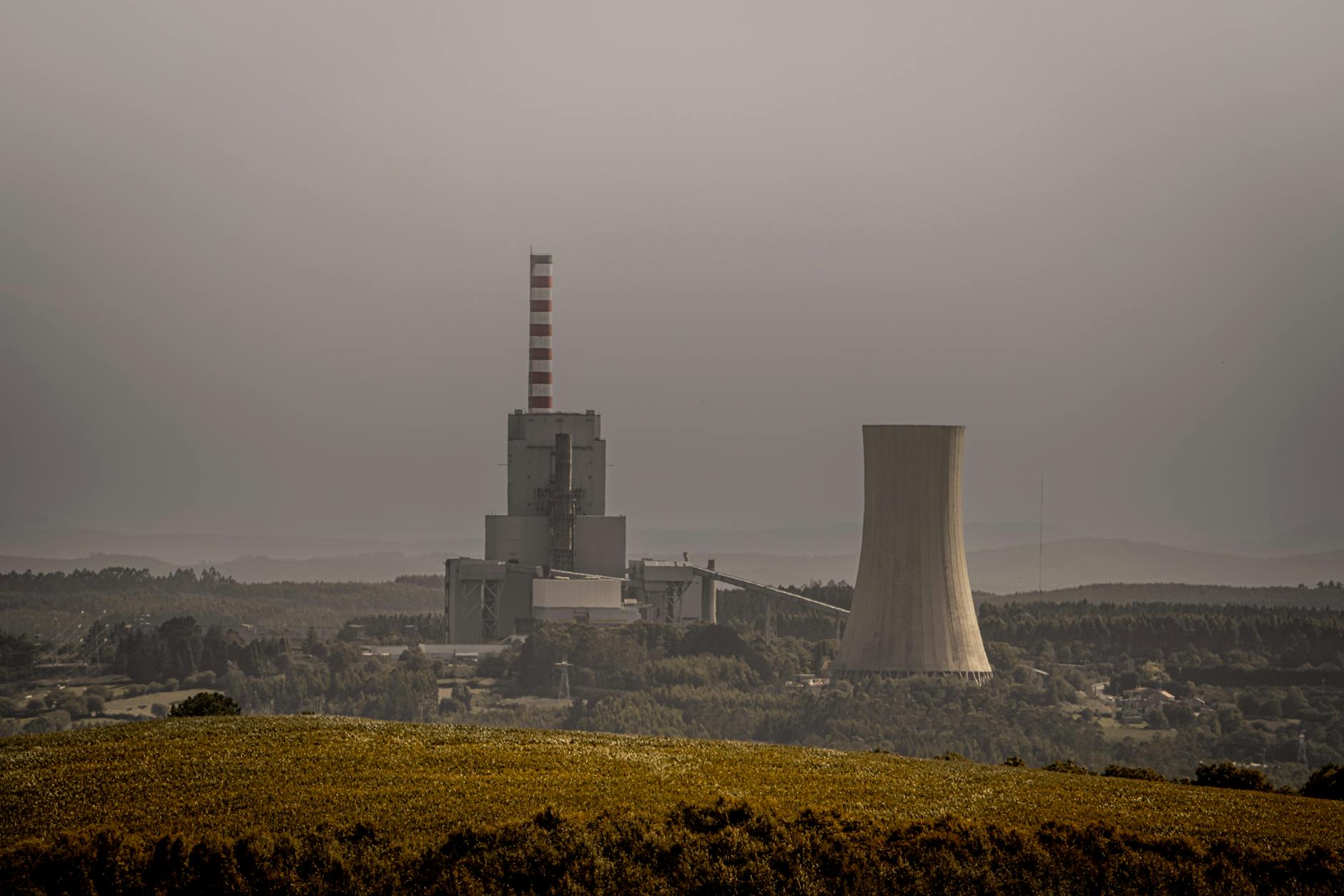
A new conflict in Iran is sending ripple effects across Asia, forcing several nations to turn back to coal as global liquefied natural gas (LNG) supplies are disrupted. This sudden shift, driven by critical fuel shortages, poses a significant threat to global climate goals and worsens air quality in already struggling regions. The reliance on imported fossil fuels highlights a critical vulnerability, making the urgent transition to sustainable energy solutions more vital than ever to avoid future environmental and economic shocks.
Countries across Asia, including India, South Korea, Indonesia, Thailand, the Philippines, and Vietnam, are significantly increasing their reliance on coal-fired power. This move comes as the ongoing war in Iran disrupts vital oil and gas shipments, particularly through the Strait of Hormuz, a key global energy chokepoint.
While LNG has been promoted as a cleaner alternative to coal, burning it still releases climate-damaging gases. The current crisis underscores the instability of fossil fuel supplies and the economic risks for nations dependent on energy imports. Experts warn that coal is merely a short-term fix, emphasizing that sustainable, renewable energy sources are the only viable long-term solution for energy security and environmental protection.
This increased coal use directly counters efforts to transition to cleaner energy and reduce planet-warming emissions, jeopardizing commitments to combat global warming. For instance, China, the world's largest coal consumer, continues to build new coal capacity, while India is boosting coal burning to meet record summer electricity demand. South Korea, despite its net-zero goals, is allowing more coal use amid LNG shortages and slow renewable energy growth. Indonesia, a major coal exporter, is now prioritizing its domestic supply, further tightening the global market and driving up prices.
Beyond climate impacts, burning more coal also leads to severe air pollution. Fine particles released by coal combustion are a serious health hazard, contributing to heart disease, lung cancer, and respiratory problems. This is a critical concern for densely populated regions like India and Vietnam, where air quality already falls far below safe levels. The crisis serves as a stark warning: continued reliance on fossil fuels, even as a temporary measure, perpetuates a cycle of environmental degradation and economic instability, underscoring the urgent need for a global shift toward resilient, clean energy systems.