Global Crisis Fuels Unexpected Green Energy Revolution

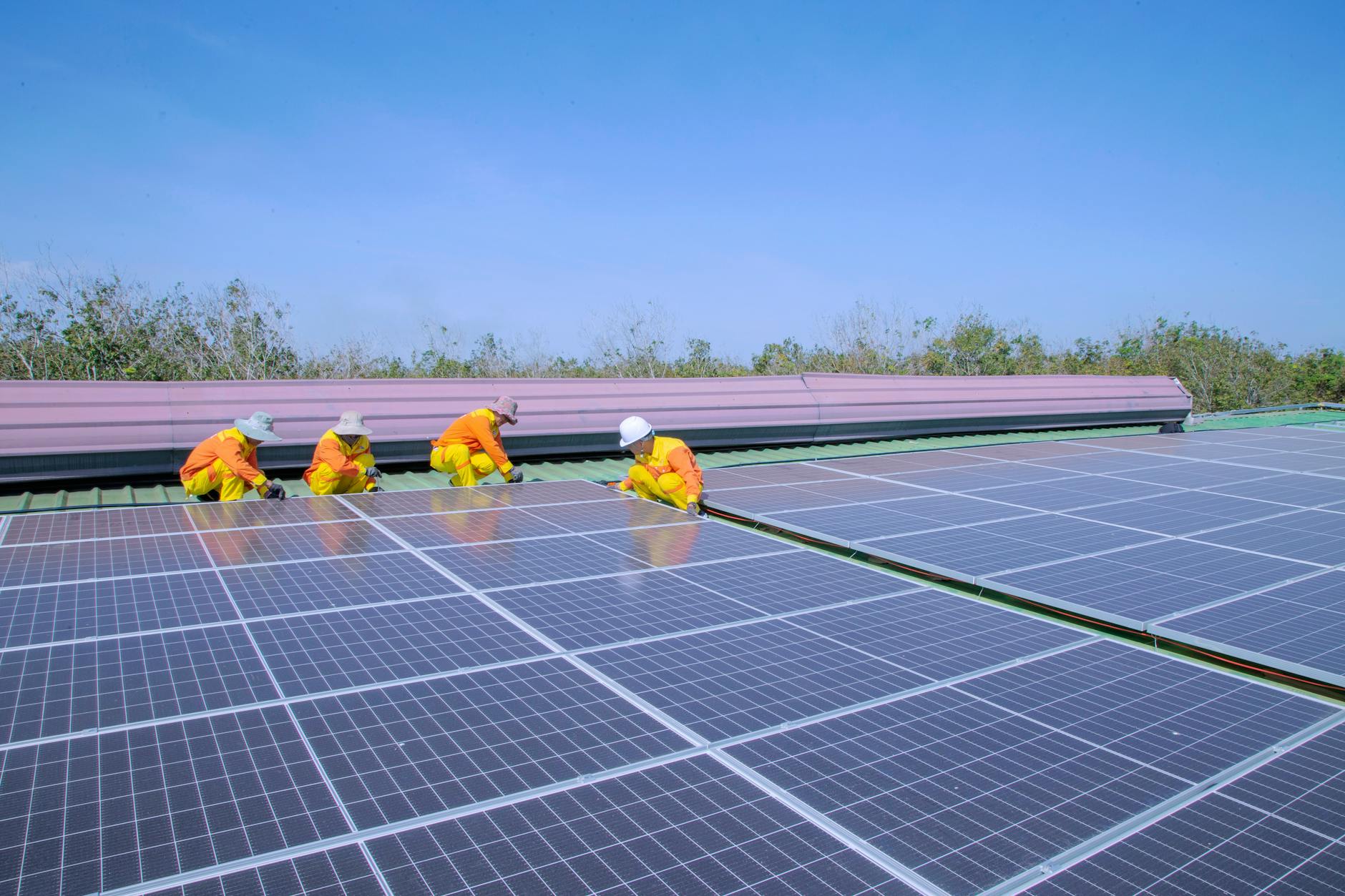
The ongoing conflict in the Middle East, particularly the U.S.-Israeli war with Iran, is profoundly reshaping global energy reliance. Many countries, especially in Asia and Africa, are moving away from imported fossil fuels like oil and natural gas at an accelerated pace. This shift is driven by the war's disruption of supply chains and volatile prices, highlighting the urgent need for stable, localized energy solutions. Investing in solar, batteries, and electric vehicles not only enhances energy security but also offers significant economic benefits and crucial progress in the fight against global warming.
The conflict in the Middle East has profoundly highlighted the fragility of relying on imported fossil fuels. With the effective closure of the Strait of Hormuz, a vital shipping lane, natural gas and oil supplies have become unpredictable, leading to significant price increases across Europe and Asia. In response, many nations are deliberately speeding up their adoption of renewable energy technologies and electric vehicles (EVs).
This rapid transition isn't just about avoiding geopolitical risks; it's a critical step for our planet. Burning fossil fuels is the primary cause of global warming. By embracing cleaner energy, countries are not only securing their own energy future but also contributing to vital climate solutions. Experts like Jan Rosenow, a climate and energy professor at Oxford University, describe the ongoing conflict as an "accelerator for the transition" towards renewables and EVs, proving they offer both energy security and sound economic sense.
China has become a major supplier in this energy transformation. Between January and May, China exported over two million electric passenger vehicles, with nearly half of these occurring in just April and May. Chinese exports of solar panels also surged by more than 80% compared to last year. This influx of affordable clean energy technology is changing investment landscapes, with institutions like Standard Bank in Africa now financing renewable power projects at an eight-to-one ratio over non-renewable ones.
The benefits are already tangible. Pakistan's investments in solar and batteries have allowed it to significantly reduce oil and natural gas imports, saving billions of dollars. The Philippines followed suit, importing over $400 million in solar panels from February to May. This global push for electrification means fewer cars on the road running on gasoline, directly impacting global oil demand. The International Energy Agency initially expected global oil demand to rise this year but has since downgraded expectations to a *decline* due to these disruptions.
While some fossil fuels will still be needed for specific industrial uses like plastics or fertilizers, the demand for oil and diesel in transportation is notably falling. This shift highlights a powerful message: renewable energy and electric solutions offer a level of security and stability that imported fossil fuels simply cannot match, marking a crucial turning point for both national economies and the health of our planet.