Global Emitter Cuts Pollution; [U.S.] Story Diverges

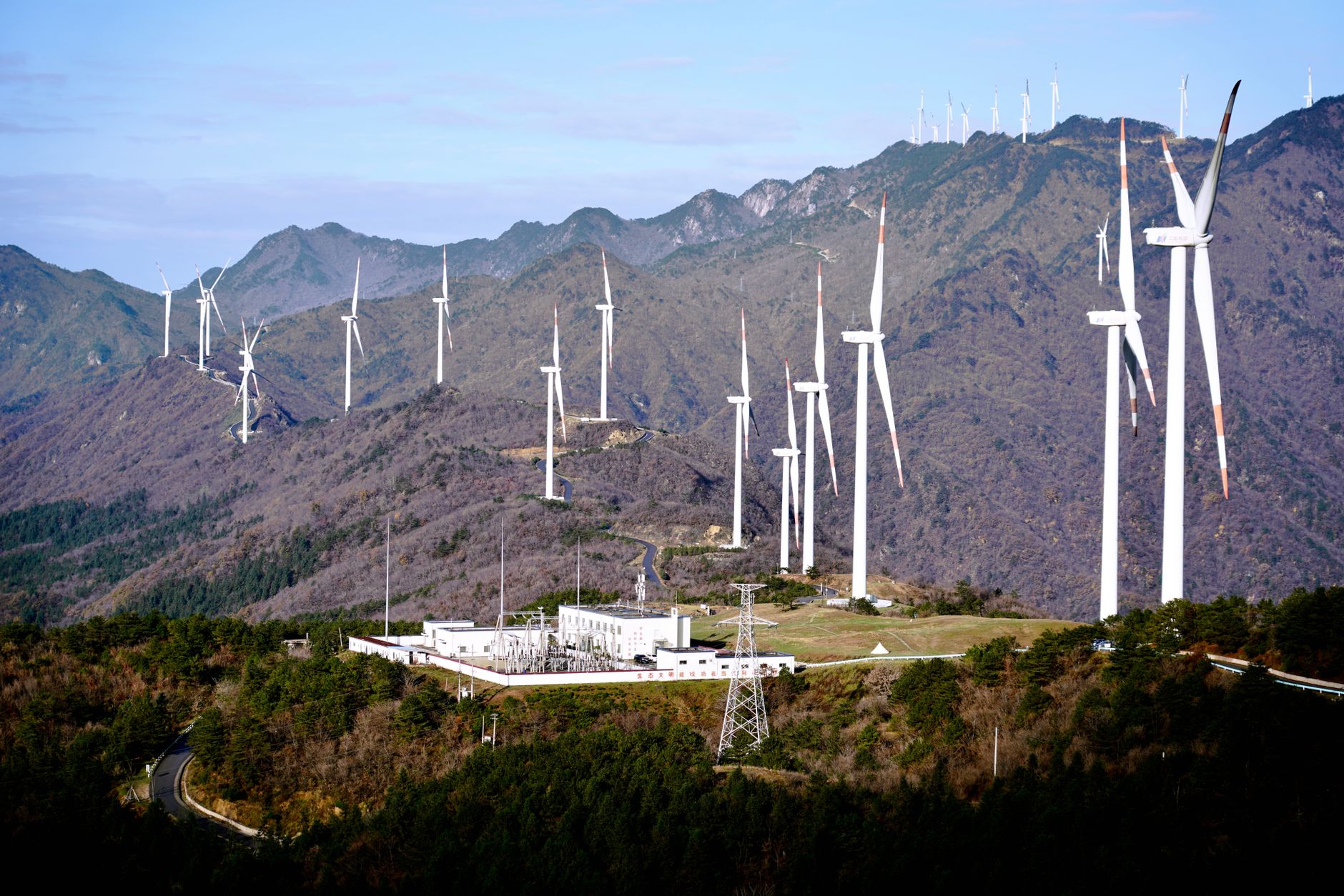
As global climate talks commence, the world's two largest greenhouse gas emitters, China and the United States, present sharply contrasting stories. China's emissions have remarkably plateaued or fallen for two and a half years, driven by massive investments in renewable energy and electric vehicles. In stark contrast, U.S. emissions significantly rose last year, making it an outlier among major economies. This divergence underscores the critical impact of consistent environmental policies on urgent global warming efforts. The path nations choose now will profoundly shape our planet's future.
China, long known for its growing pollution, has achieved a remarkable shift, with its greenhouse gas emissions flatlining or decreasing for the past two and a half years. This significant change is largely due to the country's aggressive expansion of renewable energy sources like solar and wind, coupled with a massive embrace of electric vehicles and battery technology. These sustainable solutions are actively displacing coal and oil, showing how dedicated investment in clean energy can rapidly reduce planet-warming pollution. Experts at the Centre for Research on Energy and Clean Air describe these reductions as exceeding expectations.
The United States, however, tells a different story. In 2025, U.S. greenhouse gas emissions unexpectedly rose, driven by increased burning of coal for power and oil and gas for heating. This made the U.S. the only major economy to see a significant jump in planet-warming pollution last year, according to United Nations scientists. This policy inconsistency, often described as “whiplash” by experts like UCLA Law professor Alex Wang, stems from fluctuating federal support for climate technologies. While some administrations boost funding for solar, wind, and electric vehicles, others create hurdles and prioritize fossil fuels, making sustained progress difficult. Even growing energy demands from new data centers are largely powered by fossil fuels, further increasing emissions, with a recent Nature Communications study finding U.S. data center emissions nearly equal to an entire country like Denmark.
China’s long-term strategy, initiated two decades ago to tackle air pollution and economic identity, fostered nationwide supply chains for clean energy. Today, China leads globally in producing and deploying these vital technologies, with two-thirds of passenger vehicle sales now electric, according to the China Passenger Car Association. These clean energy exports are also helping other nations reduce their dependence on fossil fuels. As global climate talks emphasize increasing electrification, China’s dominant position in clean tech trade will only strengthen, presenting a clear path forward for environmental action. This highlights a crucial lesson: consistent, forward-looking policy is essential for accelerating the transition to a sustainable, electrified future and urgently combating global warming.