Global Energy Shift Needs Copper: What Does BHP's Output Mean?

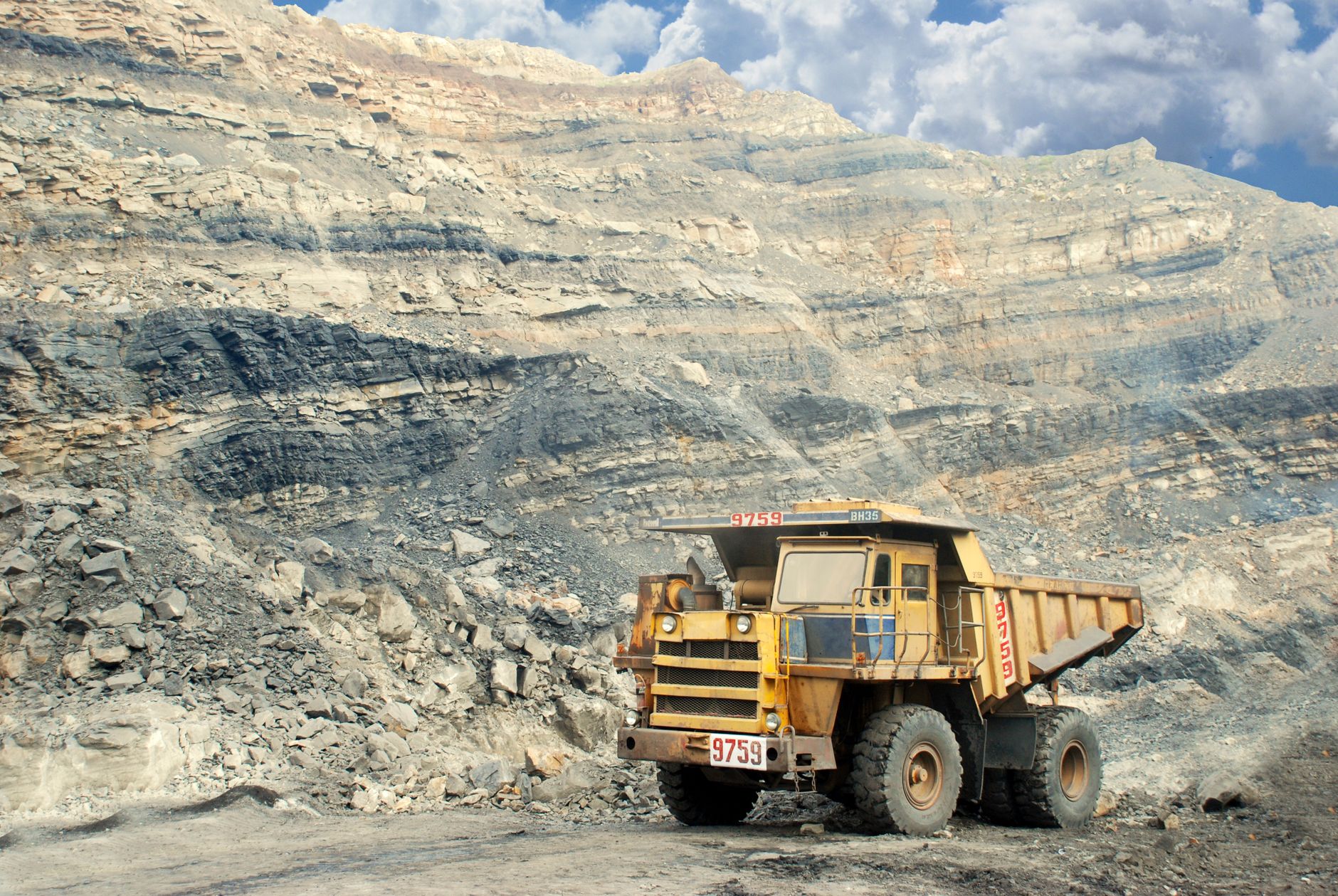
BHP has closed fiscal year 2026 with impressive results, reporting record iron ore production and nearly two million tonnes of copper. This strong performance, achieved despite market challenges, solidifies its role as a key supplier for the global clean energy transition. The demand for these essential metals underscores the urgent need for sustainable resource management as the world shifts towards electrification and cleaner technologies.
BHP achieved a record 265 million tonnes of iron ore production in FY2026, a 1% increase from the previous year. This output from its Western Australia Iron Ore (WAIO) operations, boosted by efficient mining and rail, continues to be a major contributor to the company’s earnings. BHP is also investing in future production, with new projects like Ministers North set to add significant capacity.
Copper production remained strong at 1.953 million tonnes, marking the second year near this historic high. This metal is absolutely vital for a sustainable future, powering electric vehicles, renewable energy projects like wind and solar farms, modern power grids, and even advanced AI data centers. The International Energy Agency (IEA) highlights that meeting global clean energy targets will require a significant increase in copper supply in the coming decades. BHP is actively expanding its copper footprint worldwide, with new projects and investments in Chile, Argentina, and the United States, positioning itself to meet this crucial demand while also considering domestic supply needs.
Beyond iron ore and copper, BHP is diversifying into potash, a key fertilizer ingredient. Its Jansen project in Canada is set to begin production next year, supporting global food security and reducing the company's dependence on other commodities.
Critically, BHP is also making strides towards its climate goals, aiming to cut operational greenhouse gas emissions by at least 30% by FY2030 from its FY2020 baseline, without relying on carbon credits. This progress includes reducing emissions through renewable power agreements and electrifying mining equipment, such as trials of battery-electric haul trucks. These efforts are essential steps in reducing the environmental impact of mining and contributing to a cleaner, more sustainable industrial future.
As the world continues its journey towards electrification and seeks greater food security, the demand for minerals like copper, iron ore, and potash will only grow. BHP's ongoing commitment to expanding production, managing costs, and reducing emissions is crucial for supplying the foundational materials needed for global progress towards a greener economy.