Global Food System's Secret: Who Really Profits?

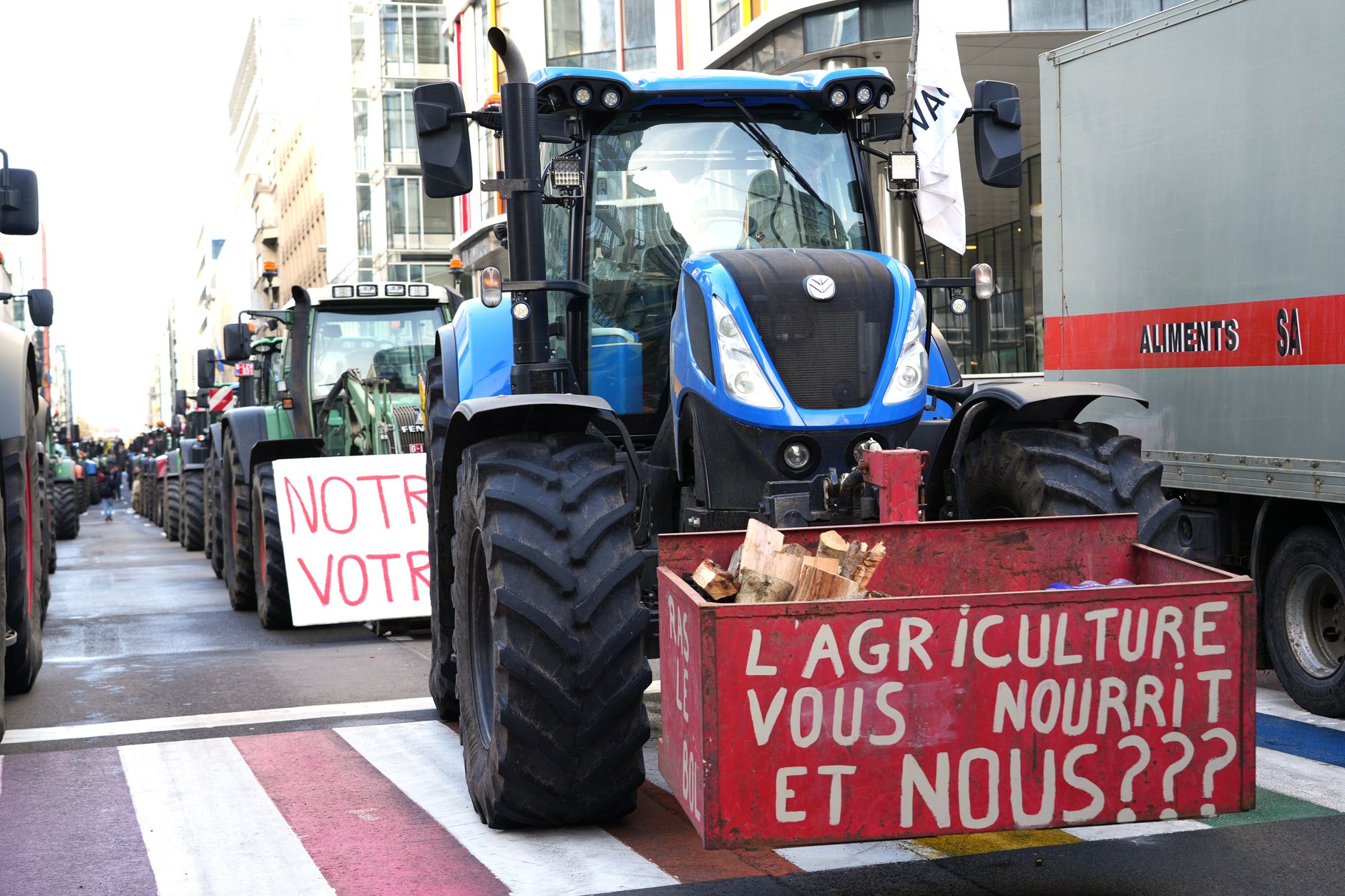
The global food system is in crisis, failing to feed millions while contributing significantly to climate change. Farmers and advocacy groups worldwide are pointing fingers at the financial institutions and corporate giants that control this system, arguing it prioritizes profit over people and planet. Rising food prices, supply chain issues, and extreme weather events, fueled by climate change, highlight the urgent need for a shift towards more sustainable and equitable solutions that empower local communities and protect our environment.
Our global food system is struggling under the weight of rising food prices, constant supply chain disruptions, and increasingly frequent extreme weather events. Experts, farmers, and advocacy groups are raising alarms, arguing that the way we produce and distribute food is fundamentally broken, serving corporate interests more than the needs of people or the planet. This system, they point out, not only contributes to widespread hunger but is also a major driver of climate change, responsible for roughly a third of the world's greenhouse gas emissions.
At the heart of the problem, critics say, is a powerful “agribusiness financial complex” rather than a true food system. A recent report by Friends of the Earth and other groups, titled “Food, Land and Money,” tracks the immense profits of the world’s largest food companies. They argue that a handful of global financial institutions, including giants like Vanguard, BlackRock, and State Street, effectively own vast portions of the food system, pushing for commodity production over sustainable sustenance.
Meanwhile, countries in the Global South face a crushing debt crisis. Many spend more on loan interest payments than on vital services like health or education, as highlighted by a 2023 United Nations report. This debt forces nations to prioritize growing crops for export to earn foreign currency, rather than feeding their own populations. This cycle starves local communities and makes it harder for countries to invest in climate resilience and sustainable farming practices.
Farmers worldwide, organized by movements like La Via Campesina, are protesting institutions such as the World Bank and International Monetary Fund, accusing them of worsening hunger and pushing countries deeper into debt with restrictive conditions. Their message is clear: “Feed the People, Not the Debts!” This unsustainable financial architecture, which funnels public money to attract private agribusiness, benefits lenders while leaving farmers vulnerable to volatile prices and further debt. It’s a system so concentrated and brittle that it intensifies our vulnerability to the very crises it helps create, especially as climate change accelerates.
Ultimately, to achieve true food security and environmental protection, a fundamental shift is needed. Leaders are emphasizing “food sovereignty,” advocating for communities to have the right and ability to decide what they grow, what they eat, and on what terms they trade. Addressing this financial complex is crucial for building a resilient, equitable, and sustainable food future that truly nourishes both people and the planet, combating global warming through local empowerment.