Global Internet Gets a Boost: What 13 Satellites Accomplished

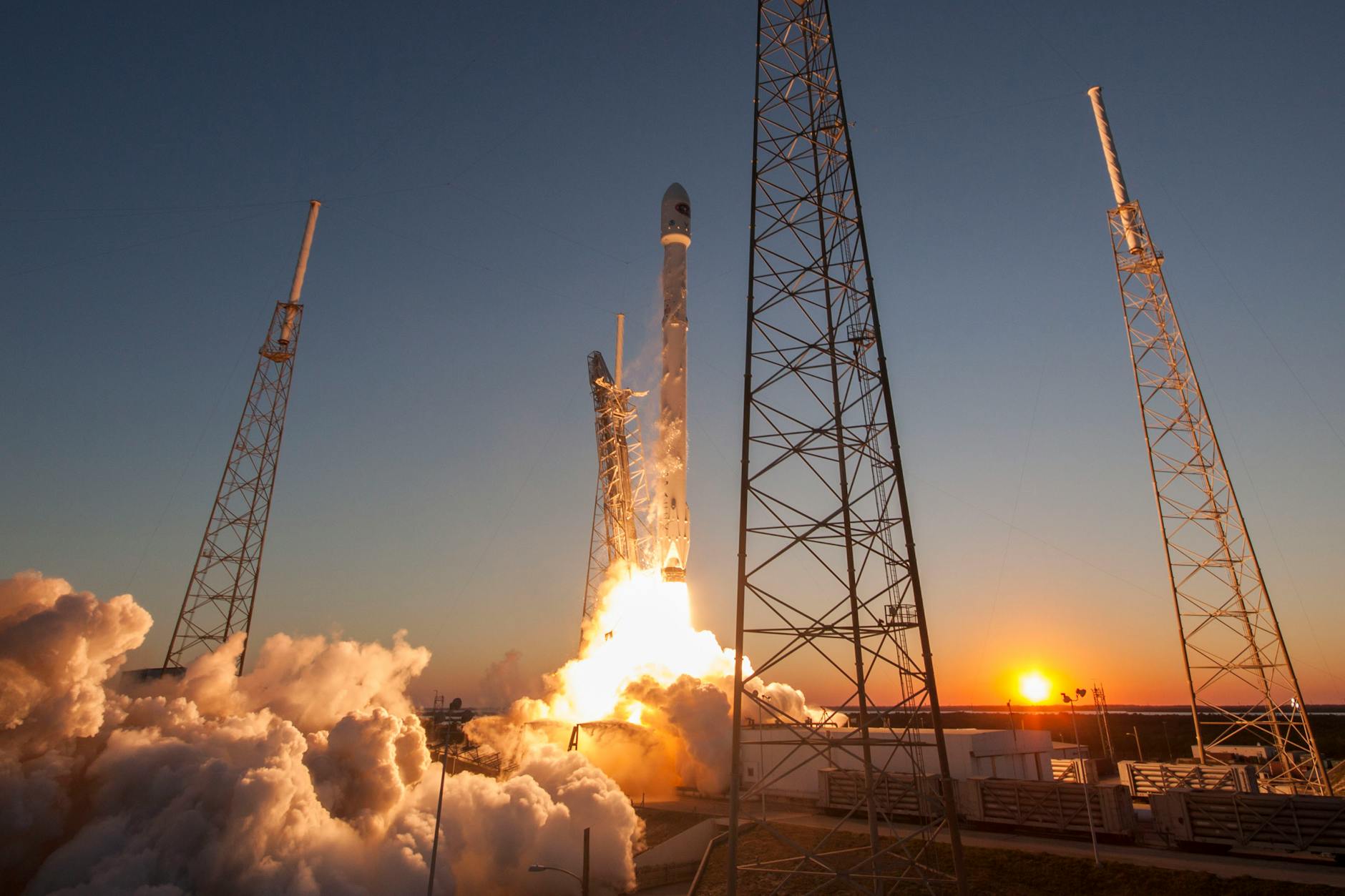
SpaceX has successfully launched the final three satellites for SES’s O3b mPower constellation, marking a significant milestone in global connectivity. This launch by a Falcon 9 rocket completes a project that has been over a decade in the making, promising high-speed, reliable internet service to enterprise customers worldwide. Unlike the more numerous Starlink satellites, O3b mPower uses a smaller, 13-satellite network in medium Earth orbit, offering powerful service with fewer spacecraft. This advanced system is designed to provide robust connectivity for demanding sectors like airlines, cruise lines, and governments, complementing existing networks.
A SpaceX Falcon 9 rocket recently completed its mission, launching the last three satellites for SES’s O3b mPower network. This successful launch culminates a project spanning over a decade, bringing advanced global internet service closer to completion. Unlike the thousands of Starlink satellites, the O3b mPower system operates with just 13 satellites in a higher orbit, approximately 5,000 miles up, which allows it to cover the globe efficiently with fewer units.
While Starlink offers broadband directly to consumers, O3b mPower targets a different market, providing powerful connectivity to businesses, airlines, cruise lines, and governments. This specialized service is designed for steady, high-capacity needs, often blending with Starlink’s speed for enhanced user experience, as seen in cruise ship partnerships 2023 partnership. This distinct approach ensures diverse connectivity solutions are available across various sectors.
This specific mission also marked another impressive feat for SpaceX. It was the 29th flight for this particular Falcon 9 booster, showcasing the company's commitment to reusable rocket technology. The successful landing of the booster was the 661st for Falcon rockets, highlighting their incredible reliability. While SpaceX continues to expand its own Starlink constellation, which recently surpassed 11,000 satellites, it still plays a crucial role in deploying other vital networks like O3b mPower, reinforcing its position as a leader in space launches.