Global Oil Demand Shrinks: What's Behind This Unexpected Dip?

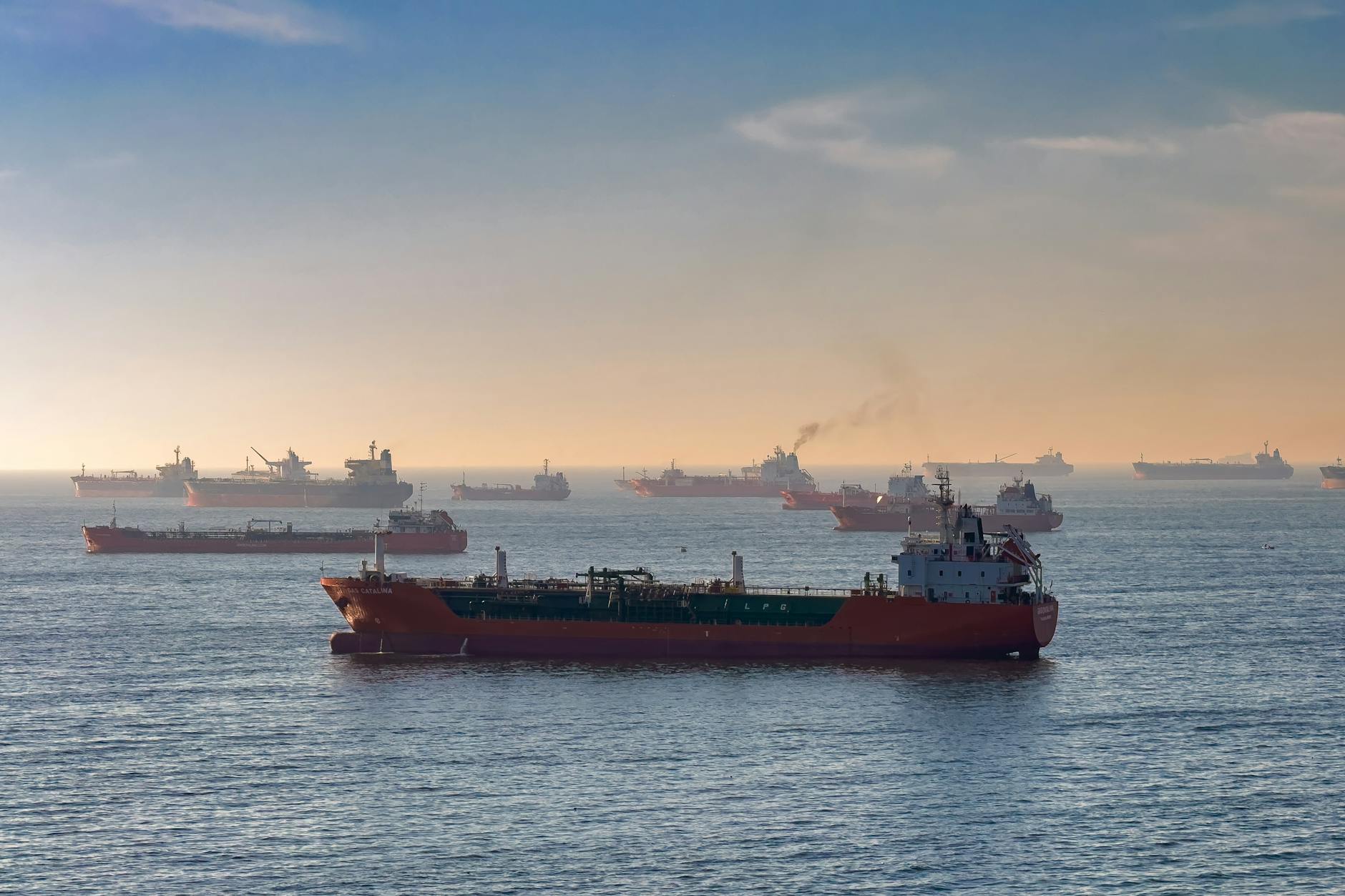
Global oil demand is set to decrease in 2026 for the first time since the COVID-19 pandemic, primarily due to the ongoing Iran war impacting shipments through the Strait of Hormuz. This modest one percent decline, projected by the International Energy Agency, highlights how geopolitical events can disrupt energy markets. While a rebound is expected next year, this situation reignites crucial discussions about the long-term future of fossil fuels and the urgent need to reduce their use to combat climate change.
For 2026, the International Energy Agency (IEA) predicts that global oil demand will be around 103.5 million barrels per day, a slight dip compared to the previous year. This shift is largely attributed to the war in Iran, which has severely disrupted oil traffic through the vital Strait of Hormuz. Although the dip is small, and demand is expected to rise again in 2027, this unexpected halt in growth has significant implications.
The conflict has caused challenges for consumers, reflected in higher fuel prices. While some regions like the United States might see a slight increase in demand, major consumers like China are projected to use less oil. However, these individual changes are quite subtle on a global scale.
A key question for experts is whether this disruption will encourage a lasting move away from oil, aligning with global efforts to fight climate change. Samantha Gross from the Brookings Institution suggests that the war's severity might actually hasten a long-term decline in oil demand by changing consumer habits and policy decisions. This aligns with past IEA findings, which have shown that with stronger policy actions, the peak in global oil demand could arrive much sooner than previously thought, as highlighted in their World Energy Outlook 2025.
Kenneth Medlock III from Rice University refers to 2026 as "The Year of the Shock," emphasizing the substantial ramifications for both consumers and businesses. While a recovery in demand is anticipated, similar to how markets rebounded after COVID, the true impact will depend on whether current investment delays turn into permanent cancellations for fossil fuel projects. This period serves as a stark reminder of the volatility tied to fossil fuels and the pressing need to accelerate the shift towards stable, sustainable energy solutions that protect our planet.