Global Seafood's Secret: The Invisible Pollution Plaguing Coasts

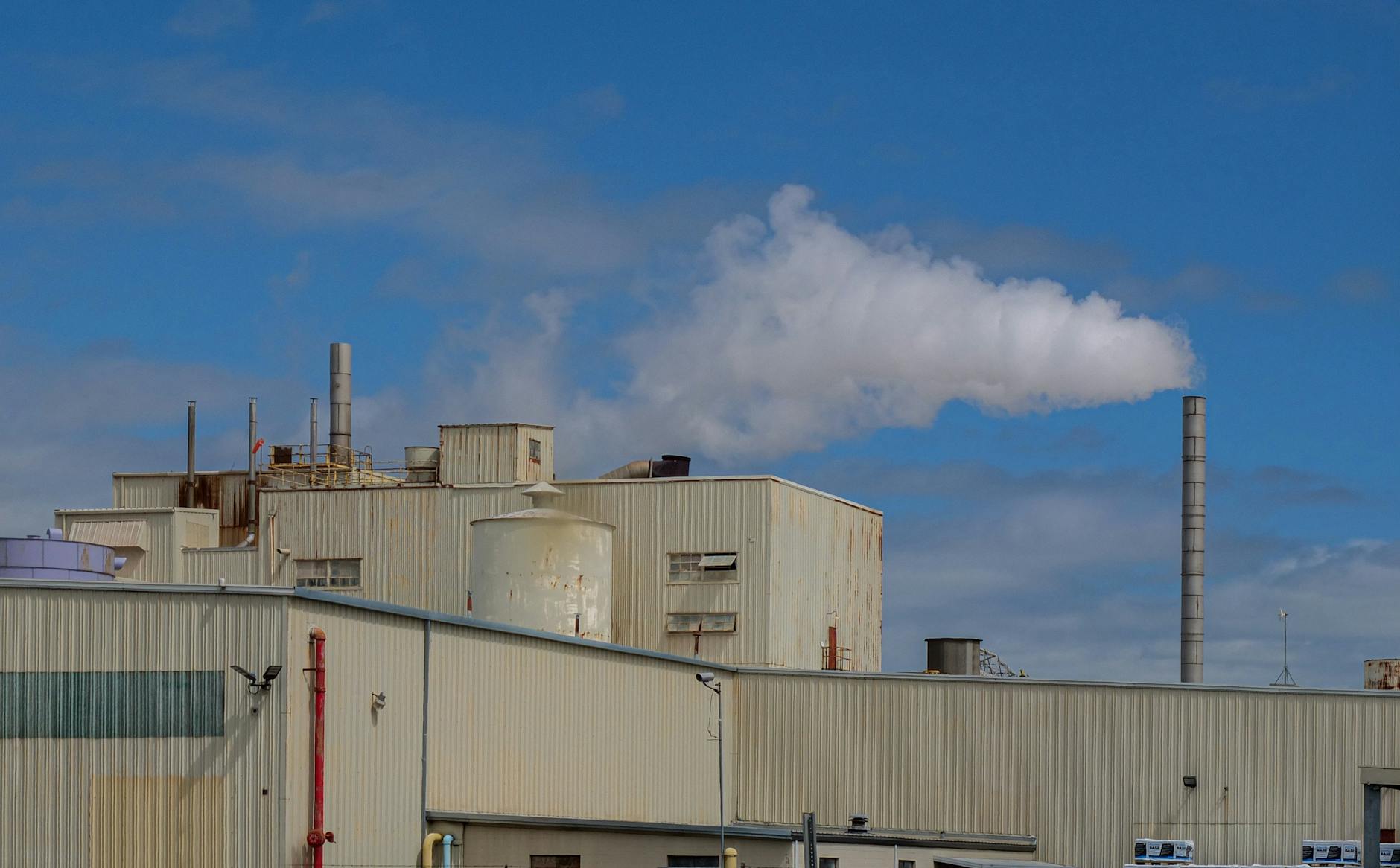
Fishmeal plants, crucial to the booming global aquaculture industry, are causing widespread suffering in coastal communities worldwide. A major investigation by The Outlaw Ocean Project reveals that the industry's pervasive stench—a mix of noxious chemicals—is plaguing millions, leading to serious health issues, economic decline, and intense protests. While solutions exist, they are rarely implemented in poorer nations, highlighting a significant environmental injustice and the hidden human cost behind our farmed seafood. This situation underscores the urgent need for sustainable practices that protect both people and the planet.
Coastal communities from Senegal to Vietnam and India are rising in protest against fishmeal factories, demanding an end to the unbearable stench that has become a constant companion. This isn't about a typical industrial accident; it's the daily reality of processing fish into protein-rich powder for farmed seafood—a practice that affects over 9.5 million people globally. Residents describe living with nausea, headaches, eye irritation, and a pervasive sense of distress, unable to open windows or enjoy their homes.
This foul smell is more than just an inconvenience; it signals the release of harmful chemicals like ammonia, hydrogen sulfide, and trimethylamine, which the Society of Chemical Industry identifies as "strongly toxic and carcinogenic." These emissions not only degrade human health but also corrode local economies by driving away tourists and customers from businesses. Despite these severe impacts, the problem is often dismissed as a mere nuisance rather than a critical environmental or health hazard, partly because the technology for accurately tracking and regulating complex odors is still developing, as noted by environmental engineers at Florida Atlantic University.
The good news is that this problem is solvable. Technologies like scrubbers can drastically reduce these noxious emissions, offering a clear path to cleaner air and healthier communities. However, these solutions can be expensive, and they are disproportionately implemented in wealthier nations where stronger regulations and political pressure from residents prevail. In many developing countries, where the majority of these plants operate, governments often prioritize foreign investment over local environmental protection, leaving communities vulnerable. This global imbalance creates a profound environmental injustice, where the burdens of a globalized food system fall most heavily on those with the least power. To move towards a truly sustainable future, the aquaculture industry must embrace practices that prioritize community well-being and environmental integrity over hidden profits, ensuring that our pursuit of efficient food production does not come at an unacceptable human and ecological cost.