Global Trade Shortcut Faces Dire Threat: What's Happening?

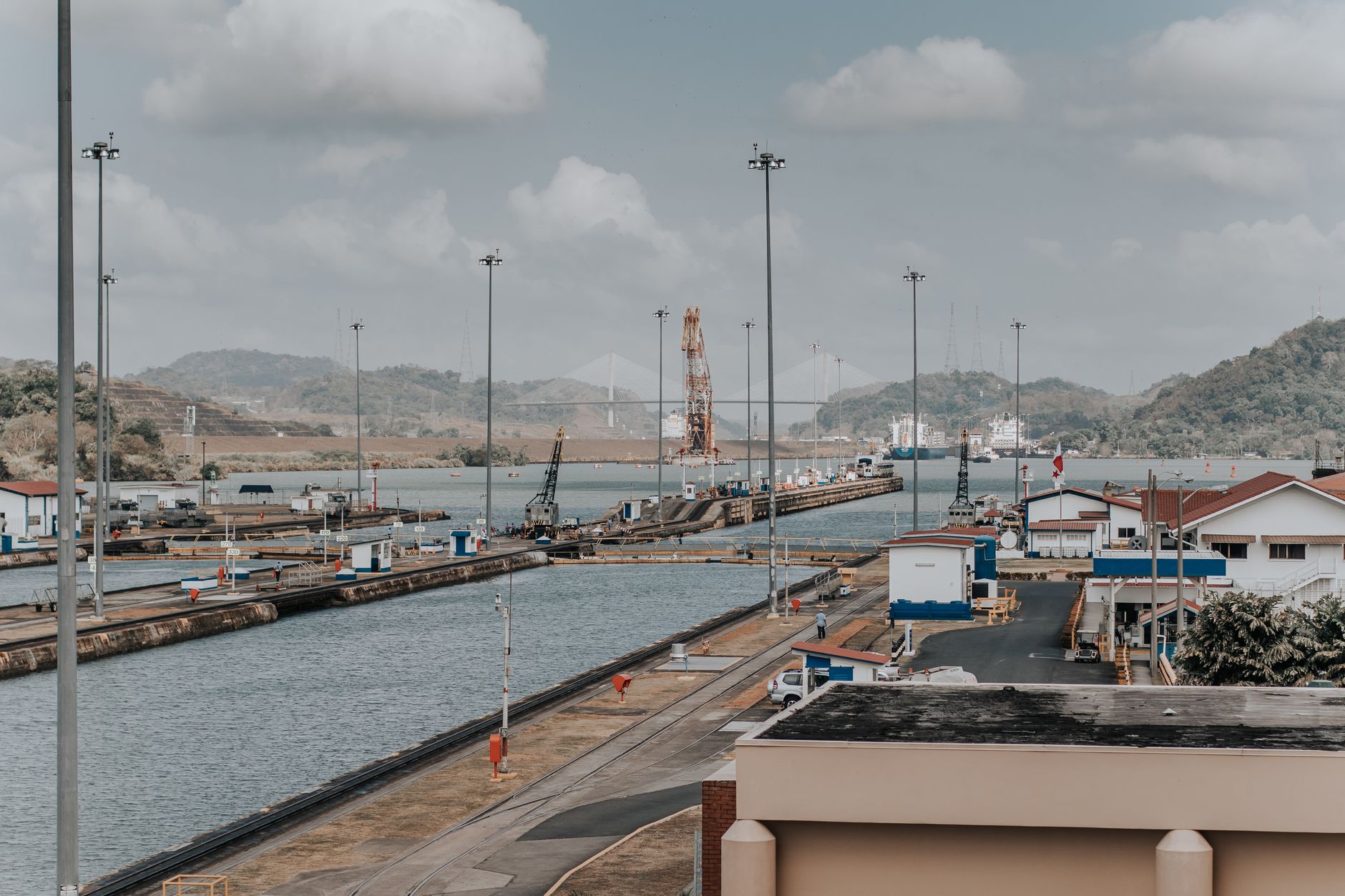
The vital Panama Canal, a key route for global maritime trade, is currently grappling with a severe drought, forcing unprecedented restrictions on ship traffic. Low water levels in the artificial lakes that feed the canal's lock system are largely attributed to the El Niño weather pattern. This situation, impacting 5 percent of global trade and 40 percent of U.S. container traffic, is causing significant delays and increased shipping costs. Experts warn that climate change could further intensify droughts in the region, making such disruptions more common and highlighting the urgent need for environmental resilience.
One of the world’s most important shortcuts for global trade, the Panama Canal, is facing serious strain. Starting in September, authorities are reducing the number of ships allowed through daily and introducing weight limits due to critically low water levels. This comes as the region experiences a severe drought, primarily driven by the El Niño weather pattern, which typically brings dry conditions to Central America.
The canal operates like a giant elevator, using a series of locks filled with fresh water from Gatún Lake and other reservoirs to raise and lower ships. However, these water sources also provide drinking water for nearly half of Panama's population and support hydropower generation, creating a critical resource conflict during droughts. When water levels drop too low, restricting ship passage becomes necessary to conserve water for these essential uses, as noted by Samuel Muñoz, an associate professor at Northeastern University.
These restrictions are already causing ripples across global supply chains. Vessels are experiencing long waits, with some companies reportedly paying millions to bypass queues, while others consider longer, costlier routes around Africa. Such delays and reduced cargo capacity inevitably translate to higher shipping costs, which Benjamin Gedan of the Stimson Center warns will eventually reach consumers, particularly affecting perishable goods.
This isn't the first time the canal has faced such challenges. A severe drought in 2023-2024 also led to significant restrictions and increased emissions from longer alternative routes. While current measures aim to manage the immediate crisis, the long-term outlook is concerning. Research suggests that climate change could substantially lower Gatún Lake levels throughout the 21st century under high-emissions scenarios, exacerbating future droughts. Though a 2024 study couldn't directly link a past drought to global warming, and the current drought's climate change influence is still being assessed, the potential for intensified El Niño events due to a warming planet remains a significant, yet uncertain, threat for the canal's operations. The vulnerability of this global trade symbol underscores how interconnected our world is, making collective climate action and sustainable water management increasingly vital.